

Former Heathrow Airport CEO John Holland-Kaye has come under scrutiny after it was revealed that he received a record pay package amounting to £6.4 million, according to the airport’s annual report.
This substantial payout included an annual bonus exceeding £1.2 million, despite flights experiencing average delays of 20 minutes throughout the year.
Holland-Kaye, who served as the CEO of Heathrow for nearly a decade, was succeeded by Thomas Woldbye from Copenhagen Airport in October. Since assuming the top position, Woldbye has already received over £1 million in compensation.
During his tenure, Holland-Kaye faced various challenges and achievements. He navigated Heathrow’s recovery from the COVID-19 pandemic, with the airport only achieving its first post-pandemic operating profit last year. However, Holland-Kaye also faced criticism for engaging in disputes with airlines over landing charge levels, which were eventually settled by the Civil Aviation Authority in March.
Heathrow defended Holland-Kaye’s substantial “termination payment,” arguing that it was a recognition of his long and dedicated service to the airport. The airport highlighted significant increases in passenger numbers, reaching close to pre-pandemic levels, and adjusted EBITDA, which increased by just under a third to £2.2 billion.
A spokesperson for Heathrow emphasized the importance of strong leadership and dedicated teams in meeting the unprecedented increase in demand for travel. However, the disclosure of Holland-Kaye and Woldbye’s sizable pay packets has raised eyebrows, particularly as it coincides with the commencement of the annual meeting season in the City.
As shareholders and stakeholders scrutinize executive compensation, Holland-Kaye’s record payout has sparked debate about fairness and accountability in corporate governance.
Read more:
Former Heathrow CEO John Holland-Kaye Receives Record £6.4 Million Pay Package
Month: April 2024
The Wealthy Wayfarer: Personal Finance Tips for the Traveling Soul

Traveling is a cherished pursuit, but financial stability is often overlooked. The wealthy wayfarer embodies the balance between wanderlust and financial prudence.
This article explores strategies for managing personal finances while indulging the soul’s wanderlust, ensuring that each adventure contributes to long-term financial well-being. So, if you are a newbie in the world of investing, chrominator.io can help you by connecting you to one of many investment education firms out there so that you can learn more about investing.
Earning While Roaming
Exploring the world can be financially sustainable with the right approach to earning while on the move. One option is to leverage freelancing or remote work opportunities, which have become increasingly accessible in today’s digital age.
Many professions, such as writing, graphic design, programming, and consulting, can be done from anywhere with an internet connection. By establishing a reliable source of income through freelancing, travelers can fund their adventures while maintaining financial stability.
Another avenue for earning money while traveling is through smart investing for passive income. Investing in stocks, bonds, real estate, or other assets that generate passive income can provide a steady stream of money without the need for active work.
This approach allows travelers to enjoy their journeys without constantly worrying about their finances. However, it’s crucial to research and understand the risks involved in investing before diving in.
Moreover, the gig economy offers various short-term earning opportunities that can be ideal for travelers. Services like ride-sharing, delivery driving, or even renting out a room on platforms like Airbnb can generate income on the go. While these gigs may not provide a substantial income, they can help cover some travel expenses and add to the overall travel experience.
For those with a creative flair, selling handmade crafts, artwork, or digital products online can be a fulfilling way to earn money while traveling. Websites like Etsy, Redbubble, or even setting up a personal online store can provide a platform to showcase and sell creations to a global audience. This approach not only generates income but also allows travelers to share their talents with the world.
Smart Saving Strategies
When it comes to financing a life of travel, smart saving strategies can make all the difference. Automating savings is a simple yet effective way to consistently set aside money for future adventures.
Setting up automatic transfers from a checking account to a savings account ensures that a portion of income is saved before it can be spent, helping to build a travel fund over time. Additionally, using budgeting apps or tools can help track expenses and identify areas where spending can be reduced or optimized.
Travel rewards programs and credit card points can also be valuable assets in the quest for smart saving. By strategically using credit cards that offer travel rewards, travelers can earn points or miles for everyday purchases, which can then be redeemed for flights, accommodations, or other travel expenses. However, it’s important to use credit cards responsibly and avoid accruing debt that could negate any savings from rewards programs.
Another savvy saving strategy is to take advantage of off-peak travel seasons and deals. Traveling during less popular times can result in significant savings on flights, accommodations, and activities.
Additionally, being flexible with travel dates and destinations can open up opportunities for discounted rates and special promotions, allowing travelers to stretch their budget further.
Balancing Present Adventures with Future Security
Achieving a balance between enjoying present adventures and securing future financial stability is a key concern for the wealthy wayfarer. Long-term investment planning is essential in this regard.
Diversifying investments across various asset classes can help mitigate risks and maximize returns over time. Stocks, bonds, real estate, and alternative investments can all play a role in a well-rounded investment portfolio. Additionally, regularly reviewing and adjusting investment strategies based on market conditions and personal financial goals is crucial for long-term success.
Furthermore, retirement savings are a critical component of balancing present adventures with future security. Contributing to retirement accounts, such as a 401(k) or IRA, can provide a nest egg for the future while allowing travelers to enjoy their journeys now. It’s important to take advantage of employer matching contributions and tax benefits offered by these accounts to maximize savings potential.
Moreover, estate planning is an often-overlooked aspect of financial security. Creating a will, establishing trusts, and designating beneficiaries can ensure that assets are distributed according to your wishes and can provide peace of mind for the future.
It’s advisable to consult with a financial advisor or estate planner to create a comprehensive estate plan that aligns with your goals and values.
Conclusion
Incorporating smart financial practices into travel planning can transform wanderlust into a sustainable lifestyle. By budgeting wisely, earning while roaming, and protecting finances abroad, travelers can enjoy the world without compromising their financial future. The wealthy wayfarer’s journey is not just about the places visited but also about the financial freedom gained along the way.
Read more:
The Wealthy Wayfarer: Personal Finance Tips for the Traveling Soul
The Dot-Com Bubble And Lessons Learned About Market Cycles
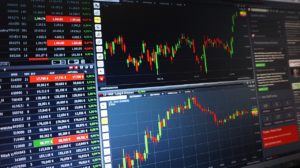
The dot-com bubble of the late 1990s and early 2000s serves as a stark reminder of the dangers of market exuberance and speculative investing.
During this period, investors were captivated by the potential of the internet, leading to inflated stock prices and, ultimately, a devastating crash. Understanding the lessons learned from this historic event is essential for navigating today’s markets. Additionally, if you want to know more about investments and firms, you may visit Immediate Storm Ai.
Understanding the Dot-Com Bubble
The dot-com bubble was a period of excessive speculation in the late 1990s and early 2000s, characterized by the rapid rise and subsequent crash of internet-related stocks. This bubble was fueled by the excitement and optimism surrounding the internet’s potential to transform business and society. Investors poured money into any company with a “.com” in its name, regardless of whether the company had a viable business model or not.
One of the key drivers of the dot-com bubble was the belief that traditional valuation metrics did not apply to internet companies. Investors were willing to overlook traditional measures of value, such as earnings and revenue, in favor of growth potential and market share. This led to inflated stock prices and created a bubble that eventually burst.
When the bubble finally burst in the early 2000s, it had far-reaching consequences. Many internet companies went bankrupt, and investors suffered massive losses. The dot-com bubble serves as a cautionary tale about the dangers of speculative investing and the importance of thorough research and analysis before making investment decisions.
Identifying Market Exuberance
Identifying market exuberance is crucial for investors to avoid getting caught up in bubbles. One key indicator of market exuberance is a rapid rise in stock prices that is not supported by underlying fundamentals. This can include high price-to-earnings ratios, low or negative earnings, and excessive hype and speculation.
Another indicator of market exuberance is the behavior of market participants. During a bubble, investors may exhibit irrational exuberance, believing that stock prices will continue to rise indefinitely. This can lead to a herd mentality, where investors buy stocks simply because others are buying, regardless of the underlying fundamentals.
To avoid getting caught up in market exuberance, investors should conduct thorough research and analysis before making investment decisions. They should focus on companies with strong fundamentals and sustainable business models, rather than those that are simply popular or trendy. Additionally, investors should diversify their portfolios to reduce risk and avoid overexposure to any one sector or asset class.
Diversification and Risk Management
Diversification is a key strategy for managing risk in an investment portfolio. By spreading investments across different asset classes, sectors, and geographic regions, investors can reduce the impact of any one investment performing poorly. Diversification can also help investors take advantage of opportunities in different markets and sectors, further reducing risk.
Risk management is another important aspect of investing. This involves identifying and assessing risks associated with each investment, and taking steps to mitigate those risks. This can include setting stop-loss orders, hedging against currency or market fluctuations, and using options or other derivatives to protect against downside risk.
Overall, diversification and risk management are essential strategies for investors looking to protect their portfolios from market volatility and minimize the impact of any one investment performing poorly.
Sustainable Business Models
Sustainable business models are key to long-term success in any industry. A sustainable business model is one that is able to generate profits consistently over time, while also taking into account environmental, social, and governance (ESG) factors.
Companies with sustainable business models are more likely to weather market downturns and economic crises, as they are less reliant on short-term market trends.
Investors should look for companies with sustainable business models when making investment decisions. These companies are more likely to provide stable returns over the long term, while also contributing positively to society and the environment.
By investing in companies with sustainable business models, investors can align their financial goals with their values, while also mitigating risk and contributing to a more sustainable future.
Importance of Timing
Timing is crucial in investing, as the value of investments can fluctuate based on market conditions. Understanding market cycles and the factors that influence them can help investors make better timing decisions. For example, investors may choose to buy stocks when prices are low and sell when prices are high, in order to maximize returns.
Timing is also important when it comes to entering or exiting a market. By timing their investments carefully, investors can avoid getting caught up in market bubbles and minimize the impact of market downturns. This requires a thorough understanding of market dynamics and the ability to anticipate changes in market conditions.
Overall, timing plays a crucial role in investment success. By understanding market cycles and making informed timing decisions, investors can improve their chances of achieving their financial goals.
Conclusion
In conclusion, the dot-com bubble offers valuable lessons for investors and entrepreneurs alike. By recognizing the signs of market exuberance, practicing diversification and risk management, focusing on sustainable business models, and understanding the importance of timing, individuals can make more informed decisions in today’s dynamic market environment. It’s crucial to apply these lessons to avoid repeating the mistakes of the past and to build a more resilient and sustainable future.
Read more:
The Dot-Com Bubble And Lessons Learned About Market Cycles
EU Border App Delayed, Risking Long Queues for UK Travellers

Eurostar’s CEO has revealed that an app aimed at facilitating border checks for UK travellers crossing the Channel will not be ready in time for the European Union’s planned implementation of the Entry Exit System (EES) in October.
This delay raises concerns about potential long queues for UK travellers at EU border terminals.
Under the delayed EES scheme, non-EU citizens will be required to register fingerprints and a photo upon entry to the EU, replacing traditional passport stamping procedures. The app, developed by the EU, was intended to enable passengers to complete this registration process remotely, thereby reducing congestion and long queues at border terminals.
However, Eurostar’s CEO, Gwendoline Cazenave, told Business Matters that the app would not be ready in time for the EES rollout. Consequently, Eurostar is preparing for border checks to be conducted at stations, with plans underway to install more than 49 kiosks at St Pancras station to facilitate these checks.
Ms. Cazenave emphasized the importance of ensuring a smooth customer flow at stations and expressed hope that the EU would deploy the app soon, despite its delayed readiness.
The Port of Dover is anticipated to face significant queue problems due to limited space and the volume of vehicles it handles. Concerns have been raised about potential delays, prompting calls for further delays in implementing the EES IT system.
Meanwhile, Eurostar has witnessed a recovery in passenger numbers, with figures returning to pre-pandemic levels by the end of last year. Anticipating up to two million passengers during the Paris Olympics and Paralympics this summer, Eurostar has forged partnerships with various Olympic teams.
Despite challenges and higher ticket prices compared to air travel, Eurostar remains confident in its unique service, offering direct transportation to city centers without extra charges for luggage and seat reservations. Additionally, there is growing demand for sustainable travel options, further boosting Eurostar’s appeal.
Read more:
EU Border App Delayed, Risking Long Queues for UK Travellers
UK Delays Health and Safety Checks on EU Imports Amid Post-Brexit Bord …

Amid concerns over potential disruption and system readiness, the UK government has reportedly informed port health authorities of its decision to delay the commencement of health and safety checks on imports from the European Union (EU) as part of new post-Brexit border controls.
According to reports, a presentation prepared by the Department for Environment, Food and Rural Affairs (Defra) emphasised the risk of “significant disruption” if the new measures were implemented on schedule, citing system unpreparedness.
To mitigate the risk of delays and disruption, the government outlined plans to initially set the rate of checks to zero for all commodity groups. This decision comes after multiple delays in implementing border controls, primarily due to concerns about potential disruption and inflationary pressures.
Defra’s presentation acknowledged existing “challenges” within its systems for registering imports of food and animal products, which could lead to unmanageable levels of inspections and overwhelm ports.
While the duration of the suspension of border checks was not specified, the presentation indicated a phased approach, with checks progressively activated for different product groups.
Business organizations have advocated for postponing the introduction of new border checks until at least October, citing concerns about system readiness and potential disruptions.
The government’s final phase of changes, scheduled for October, will include the requirement for safety and security declarations for medium- and high-risk imports. Additionally, a single trade window will be introduced to streamline import processes and reduce administrative burdens on traders.
Currently, goods arriving from the island of Ireland do not require physical checks, but the government has indicated that these checks will be introduced at a later date, possibly after October 31.
A spokesperson for Defra emphasized the government’s commitment to prioritizing goods posing the highest biosecurity risk as it gradually implements new border checks. The approach aims to minimize disruption, protect biosecurity, and support traders throughout the transition process.
Read more:
UK Delays Health and Safety Checks on EU Imports Amid Post-Brexit Border Control Concerns
Inflation Expected to Stabilise at 2% in 2024, Hints Bank of England D …

Sir Dave Ramsden, the Bank of England’s deputy governor overseeing markets, has indicated that inflation is expected to stabilise at 2% in 2024, potentially signalling the possibility of interest rate cuts.
His remarks diverge from the Bank’s previous forecasts, suggesting a potential revision in the inflation outlook set to be released next month. Ramsden’s comments come amidst signs of easing inflationary pressures, particularly driven by a slowdown in the labor market.
Ramsden expressed increased confidence in the evidence suggesting a reduction in domestic inflationary pressures, citing improved inflation dynamics. He highlighted a scenario where inflation remains close to the Bank’s 2% target throughout the forecast period. This optimism is supported by indicators such as a slowdown in wage growth and a decline in job vacancies to pre-pandemic levels.
Despite Ramsden’s optimism, the Bank’s monetary policy committee (MPC) maintained the base interest rate at 5.25%, with eight out of nine members voting in favor of stability. However, Ramsden’s remarks indicate a potential shift within the committee towards supporting rate cuts, marking a departure from the stance adopted since 2020.
Ramsden’s views on receding inflation may lead to divisions within the MPC, particularly between permanent and external members. While Ramsden suggests a favorable environment for rate cuts, some external members, including Megan Greene, remain cautious due to persistent wage pressures.
Andrew Bailey, the governor of the Bank of England, echoed Ramsden’s sentiment regarding falling inflation, noting that geopolitical tensions, particularly in the Middle East, have not significantly impacted oil prices as initially feared.
Market expectations for monetary loosening have moderated, with forecasts now projecting only one or two rate cuts this year, compared to earlier predictions of up to five cuts. This shift in expectations follows data indicating stubbornly high inflation in the United States, prompting reassessment of global monetary policy trajectories.
As discussions unfold at the International Monetary Fund’s spring meetings, officials have emphasized the need for the incoming UK government to address the country’s debt burden through spending cuts and tax adjustments.
Read more:
Inflation Expected to Stabilise at 2% in 2024, Hints Bank of England Deputy Governor
India Seeks Exemption from UK Carbon Tax in Free Trade Deal Talks

India has intensified negotiations with the UK, seeking exemption from the UK’s planned carbon tax as part of efforts to secure a free trade deal before the UK election.
The discussions, occurring amidst India’s impending general election campaign, are crucial for Rishi Sunak’s government, which aims to finalize the agreement despite time constraints.
The Indian negotiating team, in talks held this week in London, has emphasized the urgency of reaching an agreement before the UK election. With time running short, India has leveraged the limited timeframe to advance its priorities in the negotiations. The talks coincide with India’s general election campaign, where the Bharatiya Janata party, led by Narendra Modi, is expected to secure a third consecutive victory.
India’s commerce minister has indicated progress in the negotiations, suggesting that a deal is nearing completion. However, India’s request for exemption from the UK’s carbon border adjustment mechanism (CBAM) has emerged as a significant sticking point. India argues for exemption on the basis of its status as a developing country, raising concerns about the impact of the CBAM on its steel exporters.
The proposed exemption has raised controversy, as the CBAM is intended to curb emissions and support UK steel producers by ensuring a level playing field. Granting India an exemption could undermine the effectiveness of the carbon tax and face criticism for favoring certain trading partners.
The ongoing discussions follow the 14th formal round of negotiations between the UK and India, which remained open at India’s request despite the commencement of its election campaign. Key issues such as visa concessions for Indian workers and a social security agreement have also been on India’s agenda.
India’s reputation as a tough negotiator in trade agreements underscores the challenges faced by the UK in reaching a mutually beneficial deal. Despite the complexity of the negotiations, both sides remain committed to securing an ambitious trade agreement that aligns with their respective interests.
While the negotiations continue, the Department for Business and Trade has reiterated its commitment to achieving a fair and balanced agreement that serves the best interests of both countries. However, there are no plans to amend immigration policies as part of the trade deal negotiations.
As discussions progress, both the UK and India are striving to address outstanding issues and finalize a comprehensive trade deal that fosters economic cooperation and growth.
Read more:
India Seeks Exemption from UK Carbon Tax in Free Trade Deal Talks
SMEs See Strong Start to 2024 Despite Hiring Caution and Sustainabilit …

A recent survey by NatWest has revealed that SMEs in the UK have enjoyed a strong start to the year, signaling resilience and adaptability in the face of economic challenges.
The survey, based on responses from 850 companies across Britain, highlighted a positive trajectory in new business and output growth, particularly within the service sector. Notably, March marked the fifth consecutive month of new business expansion, with many respondents attributing the increase to the commencement of new projects.
Sophie Milliken, founder of Moja, a marketing agency based in Newcastle, echoed the optimism reflected in the survey results. Milliken cited a string of record months in the previous quarter and expressed confidence in the company’s trajectory. Emphasizing the significance of relationships and service quality in driving business success, Milliken underscored the importance of strategic planning and prudent decision-making, particularly in terms of recruitment.
However, despite the overall positive sentiment, cautious hiring practices were evident among SMEs, according to the NatWest study. While some services companies added to their workforces in March, the growth was described as “soft” and “marginal,” reflecting lingering uncertainties, including the upcoming election. Hannah Rowe, founder of Rowe IT, based in Plymouth, acknowledged being more cautious about hiring, citing uncertainty related to potential shifts in government priorities post-election.
Rowe IT, which primarily serves the public sector, faces challenges associated with governmental uncertainty and changing priorities. The reluctance to invest in long-term projects amid election-related uncertainties has contributed to a cautious approach to recruitment and business planning.
In addition to hiring concerns, the NatWest survey also highlighted SMEs’ attitudes toward sustainability. While sustainability initiatives are gaining traction globally, only 36 percent of the surveyed companies viewed sustainability as a high priority for the next year. This modest increase from the previous year underscores the ongoing challenges faced by SMEs in integrating sustainability into their business strategies.
Rowe emphasized the importance of prioritizing sustainability efforts, noting its relevance to recruitment and retention, particularly among younger generations. Despite the perceived challenges, Rowe stressed the need for SMEs to adopt a proactive approach to sustainability, citing its potential impact on business growth and talent acquisition.
Overall, while SMEs have demonstrated resilience and growth in the early months of 2024, challenges such as hiring caution and sustainability concerns continue to shape their strategic priorities. As economic uncertainties persist, SMEs must navigate evolving market dynamics while balancing growth aspirations with prudent decision-making.
Read more:
SMEs See Strong Start to 2024 Despite Hiring Caution and Sustainability Concern
Protecting Your Business Against Phishing Attacks

Cybersecurity is a “cat-and-mouse” game in which attackers are wise to many of the security measures used by organisations, and are quick to develop strategies to work around them.
As part of this, knowing how to identify a phishing email presents a vital step toward safeguarding your organisation against cyberthreats.
A phishing attack is a type of cybercrime, in which attackers target individuals via email, telephone or text messages, pretending to be a reputable or known person to trick individuals into sharing sensitive information. This presents an increasing problem for businesses of all sizes, across all sectors, and Microsoft themselves state that Outlook blocks nearly 15 billion suspicious emails every day.
It’s important to understand the impact of phishing attacks, different types and tactics for attack, how to identify a phishing email and the measures to consider for safeguarding your organisation against these cyber threats. Penned by a team of experts who offer data protection as a service, this article covers all bases so that you can stay one step ahead of cyber criminals.
The impact of phishing attacks
A large number of phishing attacks are motivated by financial gain, but this isn’t always the case. Obtaining unauthorised access to an organisation’s systems can serve a variety of malicious purposes, such as the acquisition of sensitive information for espionage or disruption of operations with malware for revenge or activism.
A phishing attack can cause a host of problems for organisations, including data breaches, reputational damage, operational disruption and even regulatory penalties.
Reducing risk starts with understanding the various types of phishing attacks your organisation might encounter, and the different tactics used.
Types and tactics
Main types of email phishing attacks you might encounter:
PHISHING TYPE
DETAILS
Spear phishing
Attackers tailor emails to specific people. Unlike traditional phishing, that aims to deceive as many people as possible, spear phishing is focused and personalised
Whaling
Attackers target senior executives who have significant power, access and influence within a company
Clone phishing
Attackers clone a legitimate email and replace an attachment/link with a malicious version
Email bombing
Attackers flood an email inbox with numerous spam emails to distract the victim from important emails
Business email compromise (BEC)
Attackers target businesses working with foreign suppliers and/or businesses that regularly perform wire transfer payments
Man-in-the-middle (MITM)
Attackers secretly intercept and alter a communication thread between two people who believe they are communicating with one another
Common phishing tactics used:
PHISHING TACTIC
DETAILS
Email spoofing
Attackers create email messages with a forged sender address
Link manipulation
Attackers use misspelt URLs or subdomains to trick people into thinking they are visiting a legitimate website
Pop-up windows
Attackers collect personal information or trick people into downloading malicious hardware through a pop-up window
Image phishing
Attackers embed malicious code into image files, which link to phishing websites
Website spoofing
Attackers create a fake domain that looks like a legitimate one
Key signs of a phishing email
Thankfully, there are a number of tell-tale signs that can help you to identify a phishing email.
The sender information, subject lines, content and any attachments included can all betray a cyber criminal’s phishing attempt. It’s important, then, to check the name and address for inaccuracies or alterations, make sure the content of the email matches the subject line, check for misspellings, poor grammar, unusual language or urgent requests, and check for suspicious file extensions such as .exe, .scr, .zip, .docm, .js.
You also need to trust your instincts. If something feels wrong, proceed with caution and always report suspected phishing attempts to your organisation’s IT or security team.
Safeguarding against attacks
Phishing is a form of social engineering designed to exploit trust, curiosity and fear. An email that appears to be from a trusted colleague or a reputable organisation can sometimes trip up even the most careful of employees.
Therefore, awareness training should be the first line of defence for any cyber security strategy. In addition to this, you should consider strong technical defences and well-prepared cyber security policies. Overall, a multi-faceted approach is the best way to safeguard against phishing threats and reduce the risk of a data breach.
Awareness training
Any training offered to staff should cover a wide range of topics, including password security, email filtering and how to report a suspected phishing email. Use real examples of targeted phishing attacks to ensure employees understand what to look for and how to spot the signs of foul play.
Once the training session has been delivered, you shouldn’t consider the job “done”, however. Training should be conducted regularly, providing employees with the latest updates on methods, practical tips and best practices.
Well-prepared cyber security policies
Your cyber security policies should outline the responsibilities of all employees and the steps they need to take when they receive a suspected phishing email. The policies should also cover all aspects of cyber security, including password management, use of company devices, use of personal devices for company work, and how to handle sensitive data.
Again, doing this once is not enough. Regularly review and update policies to reflect any organisational or operational changes and make sure they are up to date with current threats and best practices.
Strong technical defences
It is important to ensure your systems are regularly updated and protected against known threats, using specific anti-phishing and URL defence software.
The technical defences that should be set up by organisations include:
DMARC – an anti-spoofing control that makes it difficult for phishers to send fake emails from your organisation’s email address
SPF – sender policy framework is an email-authentication technique that prevents spammers from sending messages on behalf of your domain
DKIM – DomainKeys Identified Mail is an email authentication method designed to detect forged sender addresses (email spoofing)
Other technical considerations
You should also consider these important steps:
Limit the privileges of users to reduce the impact of any potential breaches
Use multi-factor authentication
Consider implementing phishing filters for links and attachments, Protective Domain Name Service (PDNS), application allow lists, remote browser isolation, Endpoint Detection and Response (EDR)
Keep in mind that a comprehensive cyber security strategy is one that includes multiple preventative measures. You shouldn’t solely rely on technical security, or staff training and policies. The most effective strategy is one that includes all these elements, as well as having a well-planned response protocol to ensure swift action and minimal impact if any incidents occur.
Don’t Panic
In the event of a phishing attack taking place, it is important that you maintain a level head across your staff – if you have taken the appropriate measures to protect yourselves, there should be no reason to panic. There are a number of useful, free cyber security resources that are worth looking into, detailed below.
The UK’s National Cyber Security Centre offers a free check your cyber security service to help UK organisations check for cyber vulnerabilities.
The European Union Agency for Cybersecurity (ENISA) provides various resources and key services, including certification schemes, events and guidance. Find out more about ENISA’s services
Canada’s Communications Security Establishment (CSE) launched a national cyber security awareness campaign on 1 October 2022. Get Cyber Safe provides public information about cyber security and how to secure accounts, devices and network connections.
Read more:
Protecting Your Business Against Phishing Attacks

