

Donald Trump’s social media venture, Trump Media & Technology Group (TMTG), has unveiled plans to expand into cryptocurrency and fintech services through a new brand dubbed Truth.Fi.
The announcement sent shares in TMTG—owner of the Truth Social platform—up 15% in pre-market trading on Wednesday.
Under the Truth.Fi banner, TMTG says it will invest up to $250m in investment accounts and “Bitcoin and similar cryptocurrencies or crypto-related securities”. The funds will be managed by the brokerage Charles Schwab.
The move is likely to spark fresh scrutiny over conflict of interest concerns, given Trump’s position as US president. The president was criticised last week for launching a multibillion-dollar meme coin on the eve of his inauguration, with former government ethics officials describing the timing as “shameful”.
TMTG has thus far struggled to build a social network that can rival the likes of Meta Platforms’ Facebook and Instagram, or X, owned by Elon Musk. Even so, the company has managed to raise tens of millions since it went public last year, buoyed by its status as a so-called “meme stock”.
According to Wednesday’s statement, TMTG, which is majority-owned by Trump, plans to roll out “multiple investment vehicles” under the Truth.Fi label in the coming months. Devin Nunes, chief executive of TMTG, hailed the new venture as a “natural expansion of the Truth Social movement”, adding that Truth.Fi will help “American patriots” protect themselves from what he labelled “cancel culture” and “big tech censorship”.
Read more:
Trump Media turns to cryptocurrency with new truth.fi venture
Month: January 2025
Chancellor needs to stop relying on selling futures and rethink econom …
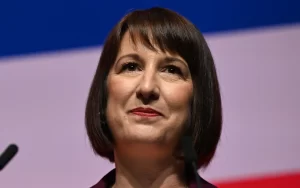
Leading audit, tax and advisory firm Blick Rothenberg is calling on the Chancellor, Rachel Reeves, to reconsider her approach to boosting the UK economy.
According to Partner Simon Gleeson, the government’s current focus on large-scale, long-term infrastructure projects overlooks pressing political and economic realities.
“The Chancellor gave a speech today outlining her plans for improving the UK’s growth,” Gleeson said. “However, ‘growth’ seems to have become a catch-all term that sidesteps the real challenges facing major infrastructure initiatives, such as HS2 and its cost overruns.”
Gleeson questioned the viability of the Chancellor’s “short-term pain, long-term gain” narrative, pointing out that major projects like a third runway at Heathrow could take over a decade to deliver. Likewise, creating a ‘Silicon Valley’ between Oxford and Cambridge is a longer-term commitment requiring substantial public investment. “These are major undertakings when the so-called ‘£22 billion black hole’ is still part of the economic conversation,” he added.
Instead, Gleeson argued that the Chancellor should prioritise policies that can generate immediate, sustainable growth. “The UK economy is stagnating,” he said. “Rethinking Employers NIC changes could be the government’s ‘mea culpa’ moment—acknowledging a misstep and offering a prompt solution, rather than focusing on aspirational long-term targets.”
He explained that pausing and revising these national insurance contributions would positively impact family incomes, job creation, and the upskilling of younger generations, including apprentices and recent graduates. “Unlocking investment from pension funds and driving deregulation in business are also more realistic ways to create jobs and stabilise working-class incomes,” Gleeson said, emphasising that any further uncertainty could harm both individuals and businesses.
The public, Gleeson continued, is “tired of hearing about ‘the last Government’,” and now needs concrete action from the current administration. “Casting blame and talking only about future, long-term objectives isn’t enough,” he said. “We need a clear, immediate economic strategy that delivers tangible results.”
Read more:
Chancellor needs to stop relying on selling futures and rethink economic strategy for the present
Reeves gives official backing to plans for a third runway at Heathrow

Chancellor Rachel Reeves has given her official backing to plans for a third runway at Heathrow, arguing that the expansion could create more than 100,000 jobs and significantly boost the nation’s economic output.
“A third runway is badly needed,” she said, pointing to projections suggesting a 0.43% rise in potential GDP by 2050 if the airport is expanded.
Reeves emphasised Heathrow’s central role in the UK’s global connectivity, noting that the airport facilitates three-quarters of all British long-haul flights, handles over 60% of UK air freight, and served around 15 million business travellers in 2023 alone. “Heathrow is at the heart of the UK’s openness as a country,” she said. “It connects us to emerging markets all over the world, opening up new opportunities for growth. Yet for decades its growth has been constrained. Successive studies have shown that this really matters for our economy.”
Addressing environmental and community concerns, Reeves said Heathrow’s operators are committed to meeting stringent requirements on noise, air quality and carbon emissions, and she highlighted ongoing efforts to decarbonise the aviation sector. “We are already making great strides in transitioning to cleaner and greener aviation,” she added. The chancellor’s endorsement underscores the government’s view that airport expansion is critical to maintaining the UK’s competitive edge while meeting future travel demand.
Reacting to announcement, Heathrow CEO Thomas Woldbye said: “We welcome the Chancellor’s support for the aviation industry and recognition of the critical role we play for the economy and in delivering growth across the UK.
“Heathrow is the UK’s gateway to growth and prosperity. A third runway and the infrastructure that comes with it would unlock billions of pounds of private money to stimulate the UK supply chain during construction. Once built, it would create jobs and drive trade, tourism and inward investment to every part of the country. It would also give airlines and passengers the competitive, resilient hub airport they expect while putting the UK back on the map at the heart of the global economy. With strict environmental safeguards, it would demonstrate that by growing our economy responsibly we can ensure our commitments to future generations are delivered.
“This is the bold, responsible vision the UK needs to thrive in the 21st century, and I thank the Government and Chancellor for their leadership. It has given us the confidence to confirm our continued support for expanding Heathrow. Successfully delivering the project at pace requires policy change – particularly around necessary airspace modernisation and making the regulatory model fit for purpose. We will now work with the Government on the expected planning reform and support Ministers to deliver the changes which will set us on track to securing planning permission before the end of this Parliament.”
Reacting to the chancellor’s speech, Rosie Downes, head of campaigns at Friends of the Earth, said: “Rachel Reeves’ ‘growth trumps all’ approach is the kind of dangerously short-sighted thinking that has helped cause the climate crisis and left the UK one of the most nature-depleted countries in the world.
“Giving the go-ahead to airport expansion by depending on new, unreliable technologies, like ‘sustainable aviation fuels’ would be a reckless gamble with our future and risks the UK missing critical climate reduction targets even if we rapidly expand renewable energy.
“Similarly, allowing developers to bulldoze their way through crucial nature protections and safeguards will further diminish our seriously under-threat wildlife and natural environment.
“The net zero economy is the UK’s fastest growing sector, the government should seize the huge benefits that building a greener future will bring through cheap homegrown renewable energy and warm well-insulated homes, not back damaging projects like airports and the Lower Thames Crossing.
“Sacrificing nature and our climate isn’t leadership, it’s rash, short-sighted and a sure-fire way to lose the trust of those who believed Labour’s election promises on the environment. Instead the Chancellor must embrace green growth.”
Read more:
Reeves gives official backing to plans for a third runway at Heathrow
Reeves insists government must ‘go further and faster’ on economic …
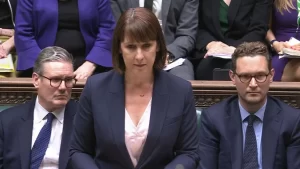
Rachel Reeves has called on ministers to seize new opportunities for raising living standards, telling MPs that the country needs to go “further and faster” to boost growth.
Amid concerns that an intense focus on economic expansion could overshadow the government’s net zero commitments, Downing Street insisted that its plans for stimulating the economy “go hand in hand” with environmental progress.
Reeves, the chancellor, has sparked unease among some Labour MPs and environmental campaigners by describing growth as a top priority even if it raises questions about the pace of tackling climate change. She is set to clarify her approach in a major speech on Wednesday, where she will outline proposals to reform planning rules, speed up infrastructure projects and potentially support airport expansion—despite warnings that this could breach the UK’s legally binding carbon targets.
Addressing the parliamentary Labour party, Reeves acknowledged there were “no easy routes out” to grow the economy. She urged the government to shift away from saying “no” to major projects and to start “saying yes” to measures that spur wealth creation. While conceding that cost of living pressures remain severe, she argued that only by ramping up economic growth can the government hope to tackle them effectively.
Downing Street quickly moved to reassure those worried about the environmental ramifications of prioritising growth. A spokesperson for Keir Starmer insisted that net zero and a robust economy are complementary, pointing to the significant potential of green jobs and the large amounts of private sector investment that clean energy could attract. Critics remain uneasy, however, with Labour backbenchers such as Barry Gardiner challenging the rhetoric of putting decarbonisation in conflict with growth. Ruth Cadbury, the MP for Brentford and Isleworth, highlighted continued doubts over the expansion of Heathrow Airport, saying it may not fit a broader nationwide growth plan and also raises local concerns about noise and pollution.
Ed Miliband, the energy and climate change secretary, who recently stated he would not resign over the possibility of supporting a third runway at Heathrow, assured the House of Lords that “no contradiction” exists between net zero and growth. He further emphasised that any aviation expansion must be compatible with the UK’s carbon budgets, adding that if those targets cannot be met, plans would not proceed.
In a related push to boost the economy, Reeves explained that she would allow businesses to use surplus funds from certain final salary pension schemes for fresh investments. Around three-quarters of such schemes—known as defined benefit schemes—are in surplus, collectively amounting to about £160bn. Historically, legislative hurdles have made it difficult for companies to access this extra capital. In her Mansion House speech, Reeves also promoted the idea of consolidating pension funds into “megafunds,” merging multiple local authority pension schemes into larger pots capable of channelling investment into strategic projects. Although trustees often worry that giving businesses direct access to surpluses could endanger the safety of pension schemes, the government has proposed regulatory safeguards that would allow trustees to block any moves undermining a fund’s security.
As the government works to strike a delicate balance between driving growth and maintaining climate commitments, Reeves’s forthcoming speech will provide more details of the plan, and explain how it will respond to both the cost of living crisis and the compelling need to deliver on net zero targets.
Read more:
Reeves insists government must ‘go further and faster’ on economic growth while assuring critics of net zero commitments
Prisoners could get ‘AI cellmate’ to help them learn

Prisoners in the UK may soon benefit from an artificial intelligence system designed to transform how they access and engage with education.
EdTech company Coracle has received funding from Innovate UK to work alongside the University of Hertfordshire in developing a system dubbed the “AI cellmate.” This platform would tailor learning content to inmates’ individual needs, adapting in real time to guide them on their educational journeys.
Coracle, led by CEO James Tweed, already provides offline Chromebooks pre-loaded with educational resources to inmates in 91 prisons, offering secure access to courses from The Open University, Prisoners’ Education Trust and various vocational programmes. Tweed notes that while prisoners often have complex educational backgrounds—many having struggled or been excluded in school—they represent a vital opportunity to improve wider access to tailored learning.
According to Tweed, the AI cellmate will personalise its approach by recognising an individual’s strengths, weaknesses and learning style. It will adapt content dynamically, monitoring user engagement and performance even without an internet connection. The aim is for the AI to behave like a responsive digital mentor, bridging education gaps and potentially lowering reoffending rates.
The system is being developed through a Knowledge Transfer Partnership with the University of Hertfordshire, where a PhD student will focus on integrating and refining the AI technologies required. While the initial launch will take place in prisons, Tweed believes the platform could have broader applications once proven effective in the challenging environment of the criminal justice system.
By highlighting the potential benefits of advanced, personalised education technology, Tweed emphasises the need to “use AI for good,” particularly for vulnerable or underserved communities. He hopes the introduction of this AI system into prisons will reduce the technological gap between incarcerated individuals and the wider world, ultimately offering them a better chance to reintegrate successfully into society.
Read more:
Prisoners could get ‘AI cellmate’ to help them learn
Amazon looks to launch prime air drone deliveries in North-East Englan …

Amazon has begun the process of introducing same-day drone deliveries from its warehouse in Darlington, County Durham, in what could be a major milestone for its Prime Air service in the UK.
The technology giant is holding a public meeting in the area this week to seek permission from the Civil Aviation Authority (CAA) to operate drones in the airspace around its facility on the edge of the town.
Under the proposed plan, Amazon will hire a local team to oversee drone take-off and landing on the site. Once the necessary approvals are in place, customers living within 7.5 miles of the warehouse, excluding zones deemed unsuitable for drone flights, will be able to opt for the service. Before using Prime Air, Amazon representatives will check each property to ensure there is a suitable area for drone drops, and customers will then place a lightweight landing pad in their garden which the drone can identify from above.
The company already gained CAA approval in August 2023 for beyond-line-of-sight tests at an undisclosed UK trial site. Prime Air deliveries have also operated in parts of the United States—specifically Texas and Arizona—and in Italy, although services were recently paused after test crashes in Oregon prompted a software update. Although Amazon initially aimed to launch drone deliveries in the UK and Italy before the end of 2024, that timetable has slipped, leaving the precise launch date for Darlington’s service unclear.
Amazon’s history with drone deliveries dates back to a successful pilot near Cambridge in 2016, followed by a scaling back of its UK drone programme in 2021. More recent drone trials in Italy’s San Salvo, as well as tests in Lockeford (California) and Oregon, have also encountered setbacks, with two drones crashing in rain conditions in Oregon. According to Amazon, those accidents were not the main reason for the temporary halt, and the firm is rolling out a software update to address the issue.
Meanwhile, the UK as a whole is stepping up its efforts to support commercial drone use. Royal Mail has tested delivering post by drone to remote communities, including in the Shetland Islands, and has extended a similar programme in Orkney until at least February 2026. BT has invested £5 million in a consortium aiming to establish a 165-mile “drone superhighway” across southern and central England, part of wider plans for beyond visual line of sight (BVLOS) flights under new CAA regulations.
Although Amazon has not announced a specific timeline for operations in Darlington, the company says this represents an “exciting step forward.” Securing regulatory approval and completing essential infrastructure are the final hurdles, and Amazon stresses it will continue working closely with local residents and the CAA before fully rolling out its Prime Air service in the region.
Read more:
Amazon looks to launch prime air drone deliveries in North-East England
Two hundred UK firms cement four-day week as new norm

Two hundred British companies have now made the four-day working week a permanent fixture for all staff—without cutting salaries—a move heralded by supporters as a fundamental reinvention of the country’s work culture.
The latest figures from the 4 Day Week Foundation show these organisations together employ over 5,000 people, with charities, marketing agencies and technology firms among the most enthusiastic adopters. Proponents argue the traditional Monday-to-Friday pattern is no longer compatible with modern lifestyles, with Joe Ryle, the foundation’s campaign director, insisting that “the 9-5, five-day working week was invented 100 years ago and is no longer fit for purpose”.
Ryle added: “With 50% more free time, a four-day week gives people the freedom to live happier, more fulfilling lives. As hundreds of British companies and one local council have already shown, a four-day week with no loss of pay can be a win-win for both workers and employers.”
Marketing, advertising and PR firms are leading the charge—30 of them have already embraced the policy—followed by 29 from the charity, NGO and social care sector, and 24 in tech, IT and software. Another 22 business, consulting and management companies have also committed. Altogether, 200 firms have decided to preserve a shortened schedule, saying it enhances both employee retention and productivity by refocusing work into fewer hours without sacrificing output. London is the most enthusiastic region, with 59 of these workplaces based in the capital.
Yet the trend highlights wider tensions around post-pandemic work culture. Many employees in the UK are still trying to secure more flexible or remote arrangements, while prominent US companies—including JPMorgan Chase and Amazon—have issued some of the strictest return-to-office mandates. Lloyds Banking Group, closer to home, is reportedly weighing how much in-person attendance affects senior staff bonuses.
Discontent has already led to resignations in some quarters. At Starling Bank, a group of employees left after the chief executive demanded more frequent office attendance. Meanwhile, several senior Labour figures—notably the deputy prime minister, Angela Rayner—have signalled personal support for a four-day week, though the party has avoided adopting it as official policy since coming to power, possibly wary of igniting partisan debates.
Research by Spark Market Research suggests younger staff are particularly invested in scrapping five-day schedules. Of 18-34-year-olds polled, 78% believe a four-day working week will become the norm within five years, and 65% do not want a return to full-time office life. Managing director Lynsey Carolan notes that mental health and overall wellbeing are driving this shift, saying younger workers “don’t intend to go back to old-fashioned working patterns” and view a shortened week as a significant quality-of-life upgrade.
Read more:
Two hundred UK firms cement four-day week as new norm
AI-fuelled job automation set to widen inequality in the UK, warns rep …

The rapid automation of millions of jobs through artificial intelligence could intensify economic inequality across the UK unless the government steps in with targeted support, according to a new study by the Institute for the Future of Work (IFOW).
The three-year report found that businesses and workers alike face wide-ranging challenges, from rising skills gaps to concerns about job security and wellbeing, as AI-powered systems become more prevalent in factories, offices, and the public sector.
Christopher Pissarides, Nobel laureate in economics and the report’s lead author, cautioned that despite AI’s potential to boost productivity and growth, ministers need to address its implications for workers. He asked how AI could foster productivity and prosperity without creating more intense stress and pressure, and how it could open new opportunities without widening existing divides across the country.
The IFOW surveyed 5,000 employees and 1,000 businesses, discovering a pervasive sense of anxiety, fear, and uncertainty among workers regarding AI’s impact. While some large companies have established strategies to help employees adapt, smaller businesses appear less equipped to navigate the coming wave of automation. The report argues that, without substantial intervention, job displacement and significant changes in job roles could strain local economies and social structures.
Among its proposals, the IFOW recommends creating science centres inspired by London’s Francis Crick Institute in regional cities, a move aimed at preventing London and the Oxford-Cambridge arc from dominating biotech and other rapidly expanding fields. The authors also call for devolving more decision-making power to local authorities and strengthening the role of trade unions, including granting them digital access, collective rights to information, and new e-learning roles. These measures, they say, would support workers during the AI revolution.
According to James Hayton, professor of innovation at Warwick Business School and a contributor to the report, the impact on jobs, skills, and job quality comes down to how AI is implemented. He believes firms and managers have a crucial role to play in introducing AI in ways that enhance employee wellbeing and overall productivity, rather than viewing automation solely as a cost-cutting measure. The report concludes that with thoughtful governance and responsible deployment, AI could foster an inclusive labour market. However, a failure to act may exacerbate social divides, limit productivity gains, and undermine the prospects of smaller businesses and their employees.
Read more:
AI-fuelled job automation set to widen inequality in the UK, warns report
British businesses brace for fresh downturn amid rising costs and tax …

British companies fear a “significant fall” in their trading prospects over the next few months, raising concerns about further job losses and derailing Labour’s ambitions to reboot economic growth.
A survey by the CBI found that a net 22 per cent of private sector firms expect their output to drop between now and April, matching the downbeat sentiment recorded in December — the most pessimistic reading in more than two years. Activity has been flat or falling since mid-2022.
Alpesh Paleja, interim deputy chief economist at the CBI, said: “After a grim lead-up to Christmas, the new year hasn’t brought any sense of renewal, with businesses still expecting a significant fall in activity. Anecdotes suggest that companies are being hit by lacklustre demand and caution among consumers, while also continuing to adjust to measures announced in the budget.”
The relationship between government and industry has been under strain since last October’s budget, which introduced higher national insurance contributions for employers. Official figures last week showed that staff numbers are being cut at one of the fastest rates since the 2009 financial crisis.
Analysts say that companies are likely to raise prices again this year while jobs are at risk, especially in the business services and consumer-facing sectors. Separate studies echo the CBI’s findings, with consumer confidence hitting its lowest level in a year and businesses recording a two-year low for optimism.
Despite Labour’s pledge to “kick start the economy” and boost growth, Rachel Reeves, the chancellor, is under mounting pressure from industry as taxes on employers are poised to rise in April. Baroness Neville-Rolfe, the shadow Treasury minister, has warned that Reeves needs to “restore some of her lost credit” with businesses, saying: “The chancellor is courting trouble” with the higher national insurance policy.
The CBI said negativity is “widely shared” across manufacturers, distributors, and professional services. “There is an urgent need to get momentum back into the economy,” Paleja added, urging the government to reform business rates, adjust the apprenticeship levy, and expand occupational health to keep more people in work and support growth.
Read more:
British businesses brace for fresh downturn amid rising costs and tax burdens

