

Greg Jackson, the outspoken founder of Octopus Energy, has been appointed by Prime Minister Keir Starmer to join the Cabinet Office board as a non-executive adviser, giving him an influential role at the heart of government.
The appointment marks a significant move to bring private sector expertise into Whitehall decision-making. Jackson, whose energy supplier has grown from a start-up in 2015 to a company valued at £9 billion, is expected to use his three-year term to challenge traditional thinking and push for modernisation across government.
Jackson has built a reputation for being unafraid to clash with policymakers. Only weeks ago ministers rejected his proposal to split the national energy market into regional zones, arguing it would have left households in the South East paying more while cutting bills in Scotland.
He defended the plan as a way to better align electricity prices with local supply and demand, encouraging energy-intensive industries to relocate to renewable-rich regions such as Scotland and stimulating further green investment.
Although the policy was dropped, Jackson said he would “respectfully disagree” with the decision, signalling his determination to continue pressing for reforms.
As a non-executive member of the Cabinet Office board, Jackson will provide external input to help civil servants and ministers shape long-term strategy and implementation. His appointment is part of a wider drive to bring in expertise from business and industry to improve the delivery of public services.
Jackson has already become a familiar face in Westminster. Official records show he and Octopus colleagues held 10 meetings with senior Labour ministers in the 12 weeks following the general election.
Speaking after his appointment, Jackson said: “Having been brought up with a sense of civic duty, I’m really proud to have the chance to contribute to public service. Finding ways to improve services without spending more is key to public services, the economy and our society, and if through business I’ve learned lessons on technology, delivery and organisation that can be useful to government, it’s an honour to share those.”
A former head of the Labour List pressure group, Jackson’s political connections and business track record make him a high-profile addition to Starmer’s advisory circle. With energy policy and public service reform high on the government’s agenda, his presence on the board is expected to shape thinking well beyond the energy sector.
Read more:
Octopus Energy founder Greg Jackson appointed to UK government advisory board
Month: August 2025
Clarkson’s Farm credited with surge in agricultural college applicat …

Jeremy Clarkson’s hit Amazon Prime series Clarkson’s Farm is fuelling a surge in applications to agricultural colleges across the UK, with teenagers citing the show as their first introduction to careers in land management and farming.
While Clarkson is the star of the programme, admissions officers say the real inspiration for many applicants has been Charlie Ireland — the land agent and agronomist nicknamed “Cheerful Charlie”, who has become an unlikely ambassador for rural land management.
The Royal Agricultural University (RAU) reported an 11 per cent increase in applications for its three-year rural land management BSc course compared with last year, with the version of the degree that includes a farm placement up 18 per cent. Applications for its two-year rural land management foundation degree rose by 14 per cent, while interest in its three-year agriculture courses climbed 4 per cent, and agricultural courses with farm placements grew 8 per cent.
Miles, an RAU spokesperson, said: “It’s looking like programmes like Clarkson’s Farm are having an effect. The interest goes beyond ‘I can do farming’ – there’s also rising enthusiasm for the range of professional roles involved in making farms succeed.”
At Harper Adams University, which runs its own 550-hectare working farm, staff have noticed a “ripple effect” at open days. Lecturer Andrew Black said Charlie Ireland’s role on the show had sparked curiosity among prospective students, while vice-chancellor Ken Sloan said the programme highlighted the mix of skills modern farming requires, from robotics and automation to land and property management.
“The strength of shows like this is how they show the breadth of experience needed, even for celebrities or soap stars, to make a farm work,” Sloan said. “That’s translating into a broader range of students exploring agri-food as a career.”
Plumpton College in East Sussex, which has doubled its student numbers over the past decade, has also acknowledged the “Jeremy effect”. Principal Jeremy Kerswell noted that while Clarkson’s Farm had raised awareness, growth in student interest was also the result of years of strong educational practice across the sector.
The show has also opened doors for non-farming entrants through initiatives like Kaleb Cooper’s bursary at RAU. The tractor driver turned farm manager launched the scheme in 2023 to support students without agricultural backgrounds. Successful applicants receive a £3,000 grant and the opportunity to apply for a work placement with Cooper or his partners.
Two bursaries are currently awarded annually, one funded by Cooper and the other by the Elizabeth Creak Charitable Trust, with discussions underway to expand the scheme.
Rupert Jones, 20, from Bournemouth, who received a bursary last year, said the show gave him confidence to pursue farming.
“For a lot of people from non-farming backgrounds, Clarkson’s Farm presented it in a way they hadn’t considered. Seeing the challenges directly from Clarkson himself made me excited about the industry. It can be daunting if you don’t come from farming, but the bursary gave me confidence.”
With applications climbing and more young people inspired by what they see on screen, colleges say Clarkson’s Farm has given British agriculture a much-needed public relations boost — and a pipeline of future farmers and land managers.
Read more:
Clarkson’s Farm credited with surge in agricultural college applications
Small Business Saturday UK roadshow to tour 23 towns and cities this a …

Small Business Saturday’s nationwide roadshow will return this autumn, touring 23 towns and cities across the UK to celebrate the impact of local entrepreneurs and encourage communities to support small firms.
Launching in Scotland in early November, the roadshow — known as The Tour — will kick off in Lossiemouth, Aberdeenshire and Edinburgh, before travelling across the UK. Stops include Belfast, Manchester, Durham, Preston, Carlisle, Derby, Grimsby, Wrexham, Hereford, Newport, Plymouth, Salisbury, Cambridge and London.
Backed by BT, the initiative will spotlight local firms from bakers and chocolatiers to cycling adventure companies and shoe repair businesses, recognising their contribution to local economies, job creation and communities.
Michelle Ovens CBE, director of Small Business Saturday UK, said: “Small Business Saturday is all about championing the incredible entrepreneurs who bring passion, innovation, and heart to communities across the UK. The Tour gives us the opportunity to hit the road and engage directly with the nation’s favourite small businesses, celebrating their unique stories and the essential role they play in strengthening local economies.”
The campaign, now in its 13th year, is a grassroots, non-commercial initiative encouraging shoppers to ‘shop local’. Last year, it generated billions of pounds in spending and engaged millions of consumers nationwide. This year’s Small Business Saturday takes place on 6 December and is supported by American Express.
Coinciding with the roadshow, the campaign will also deliver a month of free online support for entrepreneurs, including daily workshops, mentoring and events featuring industry experts and small business leaders.
In line with its commitment to sustainability, The Tour will once again use electric vehicles to cover its 3,000-mile route, showcasing the greener choices many small firms are making on the road to net zero.
Chris Sims, chief commercial officer for UK Business at BT, said: “Small businesses are vital to the UK economy, and providing entrepreneurs with the right support is crucial to their success. The Tour offers a great platform to engage with small businesses across the country, delivering tailored advice and resources to help them grow and adapt.”
With retailers, service providers and start-ups all facing continued economic pressure, organisers say the roadshow is more important than ever in showing how small businesses remain the backbone of Britain’s economy.
Read more:
Small Business Saturday UK roadshow to tour 23 towns and cities this autumn
UK seen as top destination for tech growth ahead of US, Europe and APA …

The UK is emerging as one of the world’s most attractive destinations for technology businesses, outpacing rivals in the US, Europe and Asia-Pacific, according to new research from Barclays.
The bank’s latest Business Prosperity Index found that 62 per cent of UK tech leaders see their home market as a better place to grow and scale a business than mainland Europe, with 61 per cent preferring the UK to Asia-Pacific and 60 per cent favouring it over the US.
Executives cited strong domestic market opportunities, access to a diverse talent pool and faster consumer adoption of new technologies as key advantages for the UK compared to other global hubs.
The findings come amid surging demand for artificial intelligence. Barclays found that 95 per cent of firms reported rising client appetite for AI-powered products and services, with half of companies planning to boost AI investment by at least 20 per cent over the next year.
Confidence in the wider economy is also supporting growth plans. More than three-quarters of tech firms (76 per cent) said the UK macroeconomic climate was providing a boost, while 75 per cent believed the political landscape would support growth over the next three years.
Barclays’ anonymised client data pointed to stronger financial foundations across the sector. Cash inflows rose 1.7 per cent in the first quarter of 2025 compared with a year earlier, while savings account balances climbed 21.5 per cent as companies held onto cash for future growth. Overdraft usage fell by more than a quarter, suggesting firms were moving away from short-term borrowing and focusing on longer-term planning.
Despite the optimism, tech firms highlighted persistent obstacles to investment. The biggest concerns were high fundraising costs (40 per cent), heavy regulatory compliance requirements (36 per cent) and limited government funding and grants (33 per cent).
A large majority (72 per cent) said stronger government backing was crucial to sustaining growth. Tech leaders called for more targeted support, including specialist funding programmes (44 per cent), measures to attract overseas investors (37 per cent), enhanced tax incentives for equity investment (36 per cent) and additional grants for start-ups and smaller firms (36 per cent).
Helena Sans, Head of Technology, Media & Telecoms & Innovation Banking at Barclays UK Corporate Bank, said the research showed Britain “holding its own on the global tech stage”.
“To keep up this momentum, we’ve got to break down the remaining roadblocks – including access to funding, attracting global investors, and building a stronger appetite for risk,” she said. “That’s why we recently launched our Innovation Banking team and a bespoke £250m Growth Lending Fund to give fast-growing tech businesses the capital they need to scale.”
Barclays has also committed £22 billion through its Business Prosperity Fund, designed to provide lending, refinancing and tailored support for innovative companies at every stage of their growth.
With AI adoption accelerating and confidence in the UK’s role as a global tech hub on the rise, the research suggests Britain’s technology sector is positioning itself for a decisive period of expansion – provided investment barriers can be addressed.
Read more:
UK seen as top destination for tech growth ahead of US, Europe and APAC, says Barclays
Lotus to cut 40% of UK workforce but pledges to keep Norfolk factory o …

Lotus has announced plans to cut up to 550 jobs in the UK, amounting to around 40 per cent of its British workforce, in a major restructuring aimed at securing the company’s long-term survival.
The Norfolk-based sports carmaker, majority-owned by Chinese group Geely, said the cuts were “necessary to secure a sustainable future in today’s rapidly evolving automotive environment,” citing the impact of falling sales, the transition to electric vehicles and mounting global tariff pressures.
The announcement follows months of uncertainty about the future of Lotus’s 59-year-old Hethel site, which prompted business secretary Jonathan Reynolds to hold talks with Geely earlier this summer.
Despite the scale of the job losses, Lotus insisted that its UK operations would remain central to the brand. In a statement, the company said:
“The brand remains fully committed to the UK, and Norfolk will remain the home of Lotus’ sports car, motorsports and engineering consulting operations.”
The carmaker said the changes would allow it to operate “more flexibly” by aligning production with demand and would be “vital to enhancing our future competitiveness in the market”.
Geely acquired a 51 per cent stake in Lotus in 2017 as part of a wider deal with Malaysian manufacturer Proton. Since then, the Chinese group has invested more than £3 billion into the marque. However, the shift to premium electric models has proved difficult, with tariffs in the US adding further strain.
Shares in Lotus Technology, the Nasdaq-listed division of the business, have plunged 84 per cent since their debut in February 2024, and fell a further 2 per cent in early trading on Thursday. Geely has increasingly focused attention on a new production hub in Wuhan, China.
Ben Goldsborough, Labour MP for South Norfolk, described the decision as a “very difficult day for Lotus and for many families” but stressed that the “worst-case scenario” of a complete factory closure had been avoided.
South Norfolk Council leader Daniel Elmer said Lotus had been “an integral part of South Norfolk since 1966” and pledged to work with the company and affected employees.
A government spokesman acknowledged the challenges facing UK carmakers and said Labour’s industrial strategy, launched in June, was aimed at cutting energy costs for manufacturers. He also pointed to the recent UK-US trade deal, which he said had “saved thousands of jobs in Britain.”
The restructuring comes amid leadership turbulence. Matt Windle, chief executive of Lotus’s cars business in Europe, has taken a leave of absence for “personal reasons” just four months into the role.
While Lotus insists Norfolk will remain its global sports car base, the scale of the job losses underscores the difficulties facing Britain’s automotive industry as it adapts to the electric transition and volatile global trade conditions.
Read more:
Lotus to cut 40% of UK workforce but pledges to keep Norfolk factory open
Clarkson’s Hawkstone crowned England’s best at 2025 World Beer and …
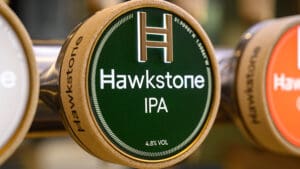
Hawkstone has scored major success at the 2025 World Beer and Cider Awards, with Hawkstone IPA and Hawkstone Hedgerow both named England Country Winners, cementing the brand’s reputation as one of the UK’s fastest-growing premium drinks makers.
The latest wins build on last year’s triumph when Hawkstone Lager was crowned England’s Best Lager. This year’s medal haul spanned the full product range, underlining the brand’s depth and consistency. Hawkstone IPA and Hedgerow each won Gold medals, Hawkstone Cider also secured Gold, while Hawkstone Session and Hawkstone Black picked up Silvers, and Hawkstone Lager and Hawkstone Vodka were each awarded Bronze.
Hawkstone IPA is already available nationwide via Waitrose, Co-op societies, pubs across the country and through Hawkstone.com. Hawkstone Hedgerow will launch in Waitrose stores across the UK from September.
Jonas Munk, chief commercial officer at Hawkstone, said: “We’re excited to win big at the World Beer Awards for the second year in a row. It just proves our point: back British farming, use British ingredients, and you get the best beer and cider in the country.”
Alongside its awards success, Hawkstone has also unveiled its latest special release: Harvest IPA, created to celebrate the British harvest season. Despite challenging weather and poor crop yields, the new brew showcases British hops including Solero and Harlequin, delivering tropical fruit notes, candied orange and lime zest, balanced with malty sweetness from British barley.
Harvest IPA launched on 15 August and will be available exclusively to Hawkstone subscribers – known as “Hawkstonians” – for the first two weeks before a wider release.
Founded by broadcaster Jeremy Clarkson, Hawkstone has positioned itself as a premium brand dedicated to supporting British farming. By using only high-quality, British-grown ingredients, it has rapidly become England’s fastest-growing beer brand.
The latest accolades at the World Beer and Cider Awards underline Hawkstone’s mission to champion homegrown produce while competing at the very top of the international drinks industry.
Read more:
Clarkson’s Hawkstone crowned England’s best at 2025 World Beer and Cider Awards
Virgin StartUp launches Momentum accelerator to back dyslexic entrepre …

Virgin StartUp has launched a first-of-its-kind accelerator programme to help dyslexic entrepreneurs scale their businesses, highlighting the growing economic contribution of founders with Dyslexic Thinking skills.
New analysis from global charity Made By Dyslexia shows that dyslexic entrepreneurs contribute at least £4.6 billion to UK GDP every year and support more than 60,000 jobs. The research also suggests that one in three business founders are dyslexic, with skills such as creativity, problem-solving, visualisation and big-picture thinking proving highly suited to entrepreneurship.
The new programme, called Momentum, is an eight-week accelerator designed to amplify those strengths through tailored workshops, one-to-one mentoring and access to specialist resources. Virgin StartUp has also created a dedicated Dyslexic Thinking space in its online community for founders. Applications close on 30 September 2025, with the programme beginning on 14 October.
Elle Upshall, Scale Up Lead at Virgin StartUp, said the initiative was designed to give founders the confidence to harness the qualities that set them apart.
“Momentum has been designed to help dyslexic founders embrace the strengths that set them apart,” she said. “We know that Dyslexic Thinking brings creative problem-solving and vision in abundance, and this programme is about giving entrepreneurs the support, tools and confidence to use these strengths to scale their businesses.”
To coincide with the launch, Made By Dyslexia, Virgin StartUp and Virgin Unite have rolled out a nationwide awareness campaign across 46 UK towns and cities. The campaign highlights world-changing inventions created by Dyslexic Thinkers – including the car, lightbulb and smartphone – and celebrates global brands founded by dyslexic entrepreneurs such as Apple, Ikea, Jo Malone and Virgin itself.
Sir Richard Branson, founder of the Virgin Group, has long described dyslexia as his entrepreneurial “superpower”. He said: “Much of my success as an entrepreneur comes from my Dyslexic Thinking. It’s my superpower. Dyslexic Thinking has enabled me to see the world differently and find new solutions to old problems. The world needs dyslexic entrepreneurs more than ever, so I’m delighted to support this campaign and I am looking forward to hearing the stories behind the dyslexic founders who join the Virgin StartUp programme.”
Kate Griggs, founder of Made By Dyslexia, said the UK economy depends on the strengths of dyslexic founders.
“Entrepreneurs are the engine of the British economy – and research shows Dyslexic Thinking fuels at least one in three of them. To boost growth, create jobs, and move the nation forward, the UK has never needed Dyslexic Thinking more,” she said.
While Dyslexic Thinking has recently been recognised as both a dictionary term and a skill on LinkedIn following campaigning efforts, many entrepreneurs still face outdated misconceptions and a lack of tailored support. Momentum is designed to close that gap.
One founder to have benefitted from early-stage support from Virgin StartUp is Alex Wright, co-founder of DASH Water, the no-sugar soft drinks brand now set to sell 50 million cans across 20 countries in 2025.
“It’s no surprise to me that Dyslexic Thinkers over-index as entrepreneurs,” said Wright. “While dyslexia felt like a challenge at school, it’s been one of my biggest assets as a founder. It’s helped me to spot gaps in the market, see problems as opportunities, dream big and build a successful, disruptive business.”
With applications now open, Virgin StartUp hopes Momentum will inspire and equip the next wave of dyslexic founders to scale their businesses and strengthen their role as a vital driver of the UK economy.
Read more:
Virgin StartUp launches Momentum accelerator to back dyslexic entrepreneurs
Seven keys to a successful AI strategy for corporate enabling function …

Corporations are spending big on AI. According to IDC, total business investments in generative AI are expected to increase 94% this year to reach $61.9 billion. However, just investing in AI does not guarantee a payoff.
In fact, as Laura Clayton McDonnell, President of Corporates at Thomson Reuters explains, new research from McKinsey finds that the vast majority of companies implementing AI have seen no significant bottom-line impact from the technology. These findings are echoed in our Future of the Professionals Report 2025, which found that although 71% of C-suite leaders say their company has invested in AI tools in the past year, and a further 18% plan to invest in AI within the next 12 months, just 19% of corporate professionals say their department has a clearly-defined AI strategy in place.
As investment in AI increases, it becomes ever more important for businesses to develop an AI strategy to maximize the value of their AI investments. A solid AI strategy will define the investment, training, and guardrails necessary for departments to effectively utilize the technology. An excellent AI strategy can drive top-line growth for companies. However, this growth will never occur without a clear plan.
Based on our experience at Thomson Reuters helping large corporations integrate AI into their tax, legal, risk, compliance, and HR workflows, we’ve seen what can happen when businesses have a clear strategy in place and how expectations can be missed without a plan. We recommend that organizations follow seven key principles to maximize the effectiveness of new AI tools they adopt. These principles emphasize the necessary steps—from developing protocols to training employees—that are essential for achieving your business’s core objectives.
The seven key principles for a successful AI strategy
Align your AI strategy with your firm’s overall strategy
AI initiatives must directly support the core objectives of in-house departments and complement their organization’s overarching AI strategy. This includes reducing legal and regulatory risk exposure, improving compliance, streamlining procurement, and speeding up contract review. Leaders should also consider how to reinvest the new time savings into handling a greater volume of value-added work.
Corporate leaders should consider where they want their in-house functions to be in a year. They should begin by identifying the obstacles that are now blocking their departments’ strategic progress.
Establish clear AI goals and objectives
Leaders should convert broad company goals into specific, measurable, achievable, relevant, and time-bound (SMART) AI objectives. For example, if a departmental goal is to improve regulatory compliance monitoring, a good AI objective could be to boost department efficiency in handling particularly tedious manual tasks, like drafting updated contracts or researching local tax laws. Additionally, leaders should encourage input from different departments on how AI can support these goals. They should also promote early experimentation with AI tools across legal, tax, and compliance teams.
Corporate leaders should identify and prioritize an AI goal that tackles the departments’ most urgent issues, developing relevant initiatives to achieve realistic objectives.
Create a data strategy
Remember that AI’s effectiveness depends on the data it is trained on or references. Leaders should ensure their departments develop strong strategies for managing, securing, and utilizing data for AI purposes—while upholding confidentiality and legal privileges.
Leaders should work with internal teams and external resources to establish the best data strategy for their organization, considering factors like company size, industry, structure, and best practices.
Establish strong governance & ethical frameworks
It’s essential to establish clear policies on data privacy, security, and responsible AI use. This involves creating processes for identifying bias and ensuring accuracy. When verifying GenAI outputs, it is important to clearly define policies related to confidentiality, transparency, and the preservation of legal privileges.
Leaders should assign AI responsibilities within each department and establish approval procedures for new AI tools that consider the specific ethical and legal issues of each department. Another important step is to develop and document standard protocols for selecting AI tools and verifying outputs.
Invest in talent and training
While AI can be a powerful tool, people drive its success. Leaders should train staff not just on how to use AI tools but also on how to develop judgment to review AI outputs critically — an essential skill for building trust and ensuring compliance. Leaders must also identify skills gaps within the organization, address professional liability concerns, and foster a culture of responsible experimentation. They should also communicate openly about the organization’s overall AI strategy and its benefits to gain better buy-in from all professionals.
Businesses should consider using free or low-cost training resources from professional associations and technology providers. This is a cost-effective way to boost your organization’s training programs.
Prioritize and pilot
Leaders should identify two or three high-impact, high-feasibility pilot projects involving AI tools. Ideally, these projects should address critical pain points, such as contract analysis, regulatory monitoring, or tax provision automation. Early successes can build momentum, offer important lessons, and demonstrate the value of a solid AI strategy — all of which will facilitate broader adoption. Piloting new AI tools should be viewed as an ongoing process, incorporating feedback from frontline professionals.
Measure, iterate and adapt
Leaders should establish key performance indicators (KPIs) to measure the success of AI initiatives in areas like reducing compliance incidents, speeding up risk detection, and increasing the accuracy of tax provisions. It’s also important to measure AI initiatives against departmental goals to better evaluate their impact on overall performance. Additionally, regularly reviewing progress and being ready to adjust strategies is crucial as regulatory requirements, technology, and organizational needs change.
You should routinely track each department’s progress using simple before-and-after comparisons. This approach can often show return on investment without the need for complex analytics.
The winners in the AI arms race are those organizations that have all the elements of their strategic plan both mapped out and carefully implemented. We think that careful planning is worth it. With AI the risks of getting it wrong may look high but so are the potential returns.
Read more:
Seven keys to a successful AI strategy for corporate enabling functions
AI profiling of social media will boost HMRC’s tax compliance, say a …

HMRC’s use of artificial intelligence to profile people’s social media activity will increase tax compliance, according to leading audit, tax and business advisory firm Blick Rothenberg.
Fiona Fernie, a partner at the firm, said that HMRC’s CONNECT system has been deploying advanced analytics since the early 2000s to spot underpaid tax. “CONNECT uses (and has always used) advanced analytics such as pattern recognition, predictive modelling, and machine learning, which are all forms of AI. Social media is just one of the many sources CONNECT reviews,” she explained.
CONNECT, developed by BAE Systems Applied Intelligence at an estimated cost of between £45 million and £100 million, has reportedly helped recover more than £3 billion in unpaid tax.
Fernie highlighted the efficiency gains such technology offers HMRC investigators. “CONNECT can identify the patterns and anomalies in the data it reviews in seconds where human investigation would take months,” she said. “It not only enables real-time risk profiling; it also supports the work carried out by HMRC staff during the course of investigations.”
However, she stressed that AI outputs are not used in isolation. “The information gleaned and analysed by the CONNECT system is always also looked at by human investigators. As long as there is appropriate human oversight and safeguards, I do not see any problem with the use of AI to identify possible indicators that tax is not being paid at the correct levels.”
HMRC has recently confirmed it uses publicly available online data to support compliance activities, including social media posts, blogs and other internet content without privacy restrictions. This mirrors the approach of other government departments such as the Department for Work and Pensions.
Fernie suggested HMRC may be underplaying the extent of its AI usage. “It is strange for HMRC to state that AI is only used as part of criminal investigations into tax fraud, as CONNECT uses real-time risk profiling as a tool to help determine targets for investigation.”
The growing use of AI in tax enforcement comes as governments worldwide deploy technology to close compliance gaps and secure revenues — a trend that places increasing importance on digital footprints, even in everyday online activity.
Read more:
AI profiling of social media will boost HMRC’s tax compliance, say advisers

