

Gold and silver prices surged to fresh record highs after US President Donald Trump threatened to impose new tariffs on a group of European countries opposing his proposed takeover of Greenland, triggering a renewed rush into safe-haven assets.
Gold climbed to a peak of $4,689.39 (£3,499) an ounce on Monday, while silver touched $94.08 an ounce, as investors sought protection from escalating geopolitical and trade tensions. Precious metals are traditionally viewed as a store of value during periods of uncertainty, and both have already enjoyed a strong rally over the past year.
The move came after Trump announced that a 10% tariff on goods from Denmark, Norway, Sweden, France, Germany, the UK, the Netherlands and Finland would take effect from 1 February, unless a deal on Greenland is reached. He warned the levy could rise to 25% at a later stage. Reports suggest the EU is preparing a potential €93bn (£80bn) retaliatory tariff package in response.
While bullion prices jumped, equity markets were more subdued. Asian stocks slipped modestly, with Japan’s Nikkei closing 0.6% lower. In Europe, London’s FTSE 100 edged down 0.1%, though mining stocks benefited from the rally in precious metals, with Fresnillo and Endeavour among the risers.
Elsewhere, markets more exposed to trade tensions fell more sharply. Germany’s Dax dropped 1%, weighed down by carmakers including BMW, Mercedes-Benz and Volkswagen. France’s Cac 40 slid 1.2%, with luxury groups under pressure: LVMH fell 3.8% and Hermès dropped 2.5%.
By contrast, European defence stocks traded higher, reflecting heightened geopolitical risk. Germany’s Rheinmetall and France’s Thales both posted gains.
US markets were closed for a public holiday, limiting global trading volumes.
Susannah Streeter, chief investment strategist at Wealth Club, said the rally underlined gold’s renewed appeal. “Gold has hit fresh record highs on its glittering run upwards,” she said. “The precious metal is holding even more allure as a safe haven as worries spread about the repercussions of aggressive US trade and geopolitical policies.”
Gold prices rose by more than 60% last year, driven by persistent global tensions and economic uncertainty, a backdrop that now looks set to continue into 2026.
Read more:
Gold and silver hit record highs as Trump tariff threat rattles markets
Month: January 2026
Musk sues OpenAI and Microsoft for up to $134bn over ‘wrongful gains …
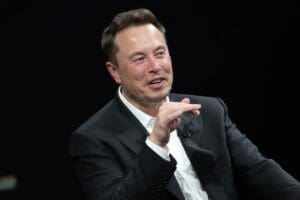
Elon Musk has launched a $134 billion lawsuit against OpenAI and Microsoft, claiming both companies unjustly profited from his early backing of the artificial intelligence pioneer and abandoned its founding mission.
In a federal court filing on Friday, lawyers for Elon Musk said OpenAI gained between $65.5 billion and $109.4 billion as a result of Musk’s initial funding, reputation and strategic input after he co-founded the organisation in 2015. Microsoft, which owns an estimated 27 per cent stake in OpenAI, is alleged to have benefited by between $13.3 billion and $25.1 billion.
Musk’s legal team argues that without his early involvement, OpenAI, now best known for ChatGPT, would not exist in its current form. His lawyer, Steven Molo, said Musk provided the “bulk of the seed funding”, lent credibility to the venture and shared expertise in scaling technology businesses.
Musk left OpenAI in 2018 following disagreements over its direction and governance. He now claims the company breached its original non-profit mission by restructuring itself into a more commercially oriented entity, a move designed to attract vast sums of capital to fund its AI ambitions.
OpenAI completed a major restructuring last year alongside Microsoft, valuing the business at $500 billion. Under the new structure, a non-profit OpenAI Foundation will hold equity in a for-profit arm that can raise funds from external investors.
OpenAI dismissed Musk’s claim as “unserious”, accusing him of running a sustained harassment campaign against the company. Microsoft and OpenAI jointly asked the court to restrict the evidence presented by Musk’s expert witness, financial economist C Paul Wazzan, arguing the damages estimates are speculative, unverifiable and misleading.
The companies contend that Musk’s attempt to reclaim “wrongful gains” amounts to an unprecedented transfer of value from a non-profit organisation to a former donor who is now a competitor in the AI race.
The case is due to be heard by a jury in Oakland, California, with the trial expected to begin in April. The dispute adds another chapter to the increasingly bitter rivalry between Musk and Sam Altman, and highlights the growing legal and commercial tensions surrounding the global AI boom.
Read more:
Musk sues OpenAI and Microsoft for up to $134bn over ‘wrongful gains’
Facial recognition pilot cuts crime in south London, says Met

A pilot of live facial recognition technology in south London has helped cut crime and led to more than 100 arrests, according to the Metropolitan Police, as the force prepares to defend its use of the technology in the High Court.
The three-month trial in Croydon, which began in October, marked the first time the Met has deployed fixed live facial recognition (LFR) cameras mounted on street furniture rather than using mobile vans. Fifteen cameras were installed along two sections of North End, one of the borough’s busiest shopping streets.
The Met said the system has been deployed on 13 occasions during the pilot, with cameras only switched on when officers are present. During that period, 103 arrests were made, with police claiming only one false alert, which did not result in an arrest.
According to the force, around a third of those arrests were linked to offences against women and girls, including sexual assault and strangulation. Other arrests included individuals wanted for kidnap, breach of sexual harm prevention orders, and long-outstanding assault cases.
Superintendent Luke Dillon said overall crime in the Fairfield ward fell by 12 per cent during the pilot period, with notable reductions in shoplifting and robbery. He added that the fixed camera setup allowed officers to operate more efficiently, with arrests made on average every 34 minutes during deployments.
The technology works by mapping facial features and comparing them against police watchlists. The Met said biometric data relating to members of the public who are not wanted by police is immediately deleted.
However, the trial comes amid growing scrutiny of police use of facial recognition. Next week, the force faces a High Court challenge over its deployment of LFR after a man was wrongly identified and stopped near London Bridge last year. Civil liberties campaigners argue the technology poses serious risks to privacy and lacks a clear legislative framework.
The Equality and Human Rights Commission, which has been granted permission to intervene in the case, has said the Met’s current use of LFR breaches human rights law. The force has said it is confident the technology is being used lawfully and proportionately, and insists it has tested its algorithms for bias.
Despite describing LFR as a “game-changing” crime-fighting tool, the Met said there are currently no plans to expand the fixed-camera pilot beyond Croydon.
Tony Kounnis, chief executive of Face Int UK & Europe, said the results highlighted the potential of facial recognition when deployed responsibly.
“This is a strong endorsement of what facial recognition technology can deliver as accuracy improves,” he said. “But it is essential that oversight, transparency and data protection remain central. Without that, there is a real risk of eroding public trust, regardless of the benefits.”
Read more:
Facial recognition pilot cuts crime in south London, says Met
Amazon tests Coventry warehouse staff for tuberculosis after outbreak

Amazon is carrying out tuberculosis (TB) testing at its Coventry fulfilment centre after a small number of workers were found to have the infectious lung disease.
The company confirmed that screening is taking place as a precaution, following the identification of several cases at the site, which employs around 2,000 people, according to the GMB union.
The UK Health Security Agency (UKHSA) began a targeted screening programme at the warehouse in September after a handful of workers were diagnosed with active, contagious TB last year. Amazon said that a further 10 employees subsequently tested positive for latent TB towards the end of 2025.
Latent TB means the bacteria are present in the body but the individual does not have symptoms and cannot pass the disease on. However, without treatment, latent TB can later develop into an active and infectious form.
Dr Roger Gajraj, a consultant in health protection at UK Health Security Agency, said the individuals identified with active TB were responding well to treatment and were no longer infectious.
“As a precaution, and in line with national guidance, we are offering testing to those who may have had closer contact with the affected individuals,” he said. “The overall risk remains low. TB is fully treatable with antibiotics, and we continue to work closely with Amazon to monitor the situation.”
Amazon said it had acted immediately after the initial cases were discovered. A spokesperson said: “We followed guidance from the NHS and UKHSA and made all potentially affected employees aware of the situation. Out of an abundance of caution, we are now running an expanded screening programme with the NHS. Nothing is more important than the safety and wellbeing of our team members.”
However, the GMB union has called for stronger measures. Amanda Gearing, a senior organiser for the union at the Coventry site, urged “immediate and decisive action”, including the temporary closure of the warehouse until infection control measures are fully in place.
The union said NHS staff attended the site this week to carry out blood tests on workers and that multiple cases had been reported. One employee told union representatives there were concerns that some migrant workers could be more vulnerable if they had not received TB vaccinations in their countries of origin.
Coventry City Council said it was encouraging residents to remain alert to symptoms amid a broader national rise in TB cases. A council spokesperson said: “TB testing and treatment is free to everyone on the NHS, regardless of immigration status. Anyone experiencing symptoms should contact their GP or NHS 111 without delay.”
Common symptoms of tuberculosis include a persistent cough lasting more than three weeks, fatigue, fever, night sweats and unexplained weight loss. The disease spreads through prolonged close contact with someone who has active TB.
According to government data published in October, TB notifications rose by 13.6 per cent in 2024 to 5,490 cases, bringing the UK close to the World Health Organization’s threshold for a low-incidence country.
The Coventry warehouse has previously been the focus of industrial unrest, with Amazon narrowly defeating a union recognition vote at the site in 2024.
Read more:
Amazon tests Coventry warehouse staff for tuberculosis after outbreak
Starmer condemns Trump’s Greenland tariff threat as ‘completely wr …

Sir Keir Starmer has condemned Donald Trump’s threat to impose sweeping tariffs on the UK and other European allies over Greenland, calling the move “completely wrong” and warning it undermines Nato unity.
The intervention follows a statement by Donald Trump, who said the United States would introduce a 10 per cent tariff on goods from the UK and seven European countries from 1 February. The levies would rise to 25 per cent on 1 June unless a deal was reached to allow the US to purchase Greenland.
Trump said the tariffs would apply to Nato members, including the UK, France and Germany, that have deployed troops to the Arctic territory amid rising geopolitical tensions. In a post on his Truth Social platform, he accused European countries of travelling to Greenland “for purposes unknown” and described the situation as “very dangerous” for global security.
Responding on Saturday evening, Keir Starmer said the UK’s position was unequivocal.
“Our position on Greenland is very clear, it is part of the Kingdom of Denmark and its future is a matter for the Greenlanders and the Danes,” he said. “Arctic security matters for the whole of Nato, and allies should be working together to address the growing threat from Russia.”
Starmer added: “Applying tariffs on allies for pursuing the collective security of Nato allies is completely wrong. We will of course be pursuing this directly with the US administration.”
Opposition leaders across Westminster echoed the criticism, warning the move would damage British businesses and further strain transatlantic relations.
Kemi Badenoch, leader of the Conservatives, said the threat was misguided. “President Trump is completely wrong to announce tariffs on the UK over Greenland,” she said. “These tariffs will be yet another burden for businesses across our country. The sovereignty of Greenland should only be decided by the people of Greenland.”
Liberal Democrat leader Ed Davey said the episode exposed the fragility of the UK’s relationship with Washington. “Trump is now punishing the UK and Nato allies just for doing the right thing,” he said, urging Starmer to work more closely with European and Commonwealth partners to push back.
Even Nigel Farage, a long-time admirer of Trump, acknowledged the potential damage. “We don’t always agree with the US government and in this case we certainly don’t,” he said, adding that the tariffs would “hurt” the UK.
Senior Labour figures also used the moment to argue for a reset in Britain’s strategic posture. Stella Creasy, the Labour MP for Walthamstow, said Trump’s threats underlined the need for closer cooperation with Europe. “If we can’t rely on America and we don’t want to cosy up to China, the answer is to get serious about our strategic future with Europe,” she said.
Former national security adviser Peter Ricketts urged calm diplomacy, telling BBC Radio 4 that European governments should resist escalation and continue to make the case for collective Nato security. He noted that during the Cold War the US maintained a large military presence in Greenland without resorting to economic threats.
“The right way forward is cooperation, not tariffs and bluster,” Ricketts said, adding that any EU response would need to be coordinated at bloc level, limiting Trump’s ability to target individual member states.
The tariff threat comes at a sensitive moment for UK businesses, already grappling with weak growth, high borrowing costs and fragile export demand. Any new trade barriers with the US risk compounding those pressures, particularly for manufacturers and exporters reliant on transatlantic markets.
Read more:
Starmer condemns Trump’s Greenland tariff threat as ‘completely wrong’
ChatGPT to carry adverts for some users as OpenAI searches for new rev …

Adverts will soon begin appearing inside OpenAI’s flagship chatbot ChatGPT, as the company looks for new ways to monetise one of the world’s most widely used AI tools.
OpenAI has confirmed it will trial advertising in ChatGPT in the United States, with adverts shown to some users on the free version of the service as well as a new lower-cost subscription tier, ChatGPT Go.
ChatGPT Go will be priced at $8 a month in the US, with equivalent pricing rolled out globally. The tier sits below existing paid plans, which include ChatGPT Plus at $20 a month and ChatGPT Pro at $200.
During the trial, adverts will appear at the top of the interface after a user submits a prompt. For example, someone asking ChatGPT for travel recommendations in Mexico may see holiday-related adverts displayed as banner-style placements. OpenAI stressed that the adverts will not influence ChatGPT’s answers and that conversation data will not be shared with advertisers.
The company said it was exploring advertising “so more people can benefit from our tools with fewer usage limits”, signalling that ads could help subsidise wider access to the platform.
The move comes amid growing scrutiny of the economics of the AI sector. Despite explosive user growth, many leading AI companies are still operating at significant losses. The Financial Times reported that OpenAI lost around $8bn (£6bn) in the first half of 2025 alone, with only about 5 per cent of ChatGPT’s estimated 800 million users paying for a subscription.
Henry Ajder, an expert in AI, deepfakes and synthetic media, said the decision was unsurprising given the company’s financial position.
OpenAI has confirmed it will trial advertising in ChatGPT in the United States, with adverts shown to some users on the free version of the service as well as a new lower-cost subscription tier, ChatGPT Go.
“OpenAI has seen enormous growth in users, but it continues to burn investor cash and is not yet a profit-making entity,” he said. “To turn that around, it needs revenue sources beyond subscriptions. For many software businesses, advertising is a proven and reliable model.”
OpenAI was originally founded as a non-profit research organisation but has steadily evolved into a more commercial operation as the costs of building and running large AI models have surged. Advertising has underpinned much of the internet economy for more than two decades, funding everything from search engines to social media platforms.
Despite this, OpenAI chief executive Sam Altman has previously been sceptical about ads, once describing them as “a last resort”. Nevertheless, OpenAI is not alone in reconsidering the approach. Rival AI firm Perplexity created a senior advertising role last year, while Google has denied reports that it plans to introduce ads into its Gemini AI assistant in 2026.
Analysts say OpenAI’s experiment will be closely watched across the tech sector. If successful, it could mark a turning point in how consumer AI products are funded — and potentially signal that the era of ad-free chatbots is coming to an end.
Read more:
ChatGPT to carry adverts for some users as OpenAI searches for new revenue
In the volatile environment of the cryptocurrency market, DL Mining op …

DL Mining Against the backdrop of an increasingly complex global economic situation, the cryptocurrency market has recently seen a long-awaited rebound, with Bitcoin prices rebounding sharply and becoming the focus of market attention.
One of the key factors driving this rebound is the significant progress in the negotiations between China and the United States on tariff policies. Driven by the market boom, digital currency investment and mining activities are gradually heating up. Especially for investors who are unwilling to invest in high equipment costs, the cloud mining service provided by DL Mining has become a new option, allowing more people to easily participate in the mining of mainstream digital assets such as Bitcoin, Dogecoin, and Litecoin.
Get to know DL Mining: A secure FCA regulated platform
DL Mining is a platform regulated by the UK Financial Conduct Authority (FCA), dedicated to providing safe and convenient digital currency cloud mining services to users around the world. Through innovative cloud computing technology, users can easily start mining mainstream digital currencies such as Bitcoin, Dogecoin, Litecoin, etc. on the platform without having to purchase expensive mining equipment, and enjoy stable returns. Users can transfer the mined cryptocurrencies to their accounts at any time and easily exchange them for cash.
How to easily earn $8,888 a day through DL Mining?
For investors who want to profit from cryptocurrency mining, DL Mining provides a simple operation process:
1. Register an account to start mining: Just create an account on the DL Mining platform and you can get $20 in experience money to start mining and get 1usd everyday.
2. Choose a suitable mining plan: Choose the most suitable mining plan based on your personal investment amount and risk tolerance. DL Mining’s plans are flexible and diverse, supporting small investors to participate, and also providing more competitive solutions for investors with higher return expectations.
LTC [basic contract]: investment amount: $100, contract period: 2 days, daily income of $4, expiration income: $100 + $8
LTC [basic contract]: investment amount: $500, contract period: 5 days, daily income of $8, expiration income: $500 + $37
BTC [classic contract]: investment amount: $1,000, contract period: 10 days, daily income of $16, expiration income: $1,000 + $160
BTC [classic contract]: investment amount: $3,000, contract period: 16 days, daily income of $51, expiration income: $3,000 + $816
BTC[Advanced contract]: investment amount: $10,000,contract period: 35 days, daily income of $215, expiration income: $10,000 + $7525
BTC[Super contract]: investment amount: $50,000,contract period: 45 days, daily income of $1250, expiration income: $52,000 + $67080
Why choose DL Mining?
No hardware investment required DL Mining adopts the cloud mining model. Users do not need to buy expensive mining equipment, nor do they need to worry about equipment maintenance and management issues. All technical support is provided by DL Mining, allowing users to focus on profits.
Regulated platform
DL Mining is a platform regulated by the FCA, which can ensure the security of investors’ funds and the transparency of operations, and provide users with a reliable investment environment.
Low threshold and simple operation
DL Mining is very simple to operate. Both novice and veteran investors can quickly get started and enjoy a convenient mining experience. Users only need a small initial investment to start mining and get stable daily returns.
Considerable daily income: Through DL Mining’s cloud mining service, investors can get considerable income every day, and some efficient mining plans can even allow users to easily earn tens of thousands of dollars a day.
Conclusion
As the cryptocurrency market continues to recover, DL Mining, as a safe platform regulated by the FCA, has become a new choice for many investors with its flexible cloud mining services. Whether it is through a low threshold, no hardware investment model, or a simple and easy-to-use operation method, DL Mining provides users with a convenient and efficient digital currency mining experience. With the increase in market demand, DL Mining will undoubtedly become an ideal platform for more investors to realize wealth appreciation.
Company email: info@dlmining.com
Company website: https://dlmining.com
Mobile APP download
Read more:
In the volatile environment of the cryptocurrency market, DL Mining opening the era of zero-threshold BTC、DOGE、ETH&XRP mining on smartphones,Earn $1K/day easily
US tariffs push Canada towards Europe and China as investors look beyo …
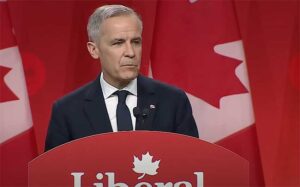
Canada is actively reshaping its global trade and investment strategy in response to continued US trade tariffs, with investors and policymakers increasingly turning their attention towards Europe and China rather than waiting for a reversal in Washington.
According to leading audit, tax and business advisory firm Blick Rothenberg, uncertainty created by US trade policy is accelerating a strategic shift in Canadian capital flows and diplomatic priorities.
Melissa Thomas, a director at the firm, said Canadian leaders and investors are no longer prepared to sit tight in the hope of a US policy U-turn.
“Canada isn’t waiting around for the US to reverse its tariffs,” she said. “The Canadian prime minister, Mark Carney, and Canadian investors are clearly looking elsewhere for the country’s economic future — particularly towards Europe and China.”
Official data shows that Canadian investors acquired $15.2bn in foreign equity securities in November, with the bulk of that capital directed outside the US. Of that total, more than $8.9bn flowed into European equities, marking the highest monthly investment in non-US shares since April 2022.
Thomas said the figures highlight a deliberate rebalancing away from the US market.
“This isn’t just a portfolio adjustment — it reflects a broader reassessment of risk,” she explained. “Ongoing tariff uncertainty has made US exposure less predictable, while Europe is being seen as a more stable destination for long-term capital.”
The Canadian government is also moving in parallel. Thomas pointed to recent diplomatic engagement between Prime Minister Mark Carney and Chinese president Xi Jinping, which resulted in agreements to lower levies on selected goods.
One of the most significant changes involves electric vehicles. Tariffs on Chinese EVs entering Canada are set to fall dramatically, shifting to a “most favoured nation” (MFN) rate — the standard tariff applied between World Trade Organisation members. Under the revised arrangement, Chinese EVs will face a 6.1% tariff, subject to a quota of 49,000 vehicles, compared with the current tariff rate of 100%.
“That is a substantial reduction,” Thomas said. “It signals a pragmatic approach from Canada — prioritising supply, affordability and trade diversification over alignment with US protectionist policy.”
She added that policymakers in the UK are likely to be watching developments closely, although Britain’s long-standing relationship with the US limits how far it can follow Canada’s lead.
“The UK government will be observing this with interest, but maintaining the so-called ‘special relationship’ with the US means it is unlikely Britain would pursue MFN-style arrangements with Canada that go beyond those already in place with Washington,” Thomas said.
The growing presence of Chinese electric vehicles in Western markets is already a contentious issue in Europe and the UK, where manufacturers have warned of undercutting by low-cost imports. Some industry figures have called for minimum pricing mechanisms to protect domestic producers.
“Only time will tell whether Mark Carney faces similar political and industrial pressure in Canada,” Thomas said. “But what’s clear is that US tariffs are accelerating a global realignment — and Canada is moving decisively to avoid being caught in the middle.”
Read more:
US tariffs push Canada towards Europe and China as investors look beyond Washington
Octopus Energy crowned Britain’s Most Admired Company

Octopus Energy has been named Britain’s Most Admired Company 2025, becoming the youngest business ever to win the prestigious accolade.
The UK’s largest energy supplier took the top prize at a ceremony held at the London Stock Exchange, beating long-established corporate heavyweights that in some cases have been operating for more than a century.
In addition to the overall title, Octopus collected six gold sector awards and two silver sector awards, underlining the scale of its reputation across British business.
Founder and chief executive Greg Jackson said the recognition carried particular weight because it was awarded by peers and competitors across the business community.
“Business leaders use the word ‘humbled’ all the time, but this really is the case today,” Jackson said.
“To be Britain’s Most Admired Company, voted for by other businesses including our competitors, feels like a real achievement.
“It’s the result of incredible focus and dedication from 12,000 people working together, outstanding long-term investors, and the British public not just demanding something better — but choosing it.”
Britain’s Most Admired Companies is now in its 35th year, making it the UK’s longest-running annual survey of corporate reputation. The rankings are run by Echo Research in partnership with the London Stock Exchange and assess more than 250 of Britain’s largest companies across 28 industry sectors.
Companies are judged against 13 reputational criteria, with more than 350 interviews conducted with board-level executives, analysts and City commentators between July and October 2025, meaning rival businesses have a direct say in the results.
Octopus Energy was the only private company to feature in the top ten overall rankings. It secured the top spot ahead of Airbus in second place, Marks & Spencer in third, and Rolls-Royce in fourth. Rolls-Royce chief executive Tufan Erginbilgiç was named Britain’s Most Admired Leader.
Octopus won the gold sector award for Energy Distribution and Supply for the third consecutive year. It also claimed gold awards for Clarity in Strategy, Effective Use of Corporate Assets, Positive Contribution to Society and Reducing Environmental Impact. The company shared gold in Quality of Management and picked up silver awards for Ability to Attract, Develop and Retain Talent and Capacity to Innovate.
Dame Julia Hoggett, chief executive of the London Stock Exchange, said Octopus’s success reflected more than just strong financial performance.
“Octopus Energy is recognised not only for strategic clarity and operational excellence, but for visible leadership in the energy transition, where national resilience, affordability and ambition converge,” she said. “It is a powerful illustration of purpose translated into performance, and performance into trust.”
Sandra Macleod, group chief executive of Echo Research, added: “Octopus Energy’s recognition reflects a blend of strategic clarity, decisive leadership and visible societal and environmental contribution. They are being rated not only as the most admired company in their sector, but as the most admired in Britain, a rare signal of trust from peers, analysts and City commentators.”
Read more:
Octopus Energy crowned Britain’s Most Admired Company

