

Oh, Donald. We really shouldn’t still be talking about you, but like a bad haircut, you just won’t go away. There you were again, hours after your inauguration in a suit that fits like a wind-blown tent, yelling “Drill, baby, drill!” to a crowd who, let’s be honest, would cheer just as loudly if you told them to eat gravel.
You’ve made it clear that you’re all for scrapping green policies, pushing fossil fuels like they’re the future (spoiler: they’re not) and undoing any progress the world has made towards carbon neutrality. And worryingly, some businesses—terrified by short-term costs and political uncertainty—are jumping on board. Back pedalling on their sustainability commitments faster than you back pedalled on that promise to release your tax returns.
Across the Capital Business Media Group, we have no plans to cave to this sudden rush of climate cowardice. We are carbon neutral, and we are staying that way. Because let’s be real—if your business is serious about the future, rolling back sustainability efforts isn’t just bad for the planet, it’s bad for business.
Let’s talk about the backsliders. Big oil, of course, has never seen a roll-back it didn’t like, but we’re seeing banks, airlines, and manufacturers quietly retreat from their bold Net Zero promises. They’ve realised that going green is hard work and—shock horror—requires actual commitment. So now, under the convenient cover of economic turbulence and political uncertainty, they’re taking the easy way out.
BP has scaled back its emissions reduction targets. Car manufacturers who once trumpeted their EV rollouts are suddenly hedging their bets and sticking with combustion engines a little longer. Airlines—who only last year were falling over themselves to showcase their ‘sustainable’ fuels—are now whispering about ‘balancing economic realities’.
And why? Because one orange-tinted property mogul-turned-politician has made a comeback, and they think he’s giving them permission to renege on their promises.
It’s spineless. It’s short-sighted. It’s exactly what we won’t be doing.
Carbon neutrality isn’t a fad—it’s the future
You’d have to be wilfully blind to ignore the fact that customers, investors, and employees care about sustainability. Consumers are making choices based on sustainability credentials, investors are favouring ESG-compliant businesses, and employees—especially the younger generation—want to work for companies that align with their values.
And yet, some businesses are acting as if sustainability is a passing trend, like Crocs or low-carb diets. It isn’t.
At Capital Business Media, we made the decision to go carbon neutral over five years ago, not for PR points, but because it’s the right thing to do. And staying carbon neutral is just common sense. Not only does it help future-proof our business, but it also puts us on the right side of history.
Because—and this bit is crucial—climate change isn’t a ‘debate’. It’s not up for discussion like the best way to make a cup of tea (it’s milk last, by the way, and if you disagree, you’re wrong). The science is settled. The planet is warming, extreme weather events are becoming more frequent, and businesses have a role to play in mitigating the damage.
For those companies now treating their sustainability commitments like a New Year’s gym membership—something they said they’d do but have now abandoned—it’s going to cost them. And not just in PR nightmares when they get called out.
Regulations are tightening. Governments around the world are pushing for stricter emissions controls, and businesses that fail to adapt will find themselves at a disadvantage. Carbon taxes, fines, loss of subsidies—these are all very real financial threats to those who think they can just sweep their green promises under the rug.
Then there’s the consumer backlash. People aren’t stupid. If a company suddenly ditches its sustainability efforts, customers will notice. And they’ll go elsewhere. The brands that double down on their climate commitments will win loyalty, while those that backtrack will be called out, shamed, and—most damningly—ignored.
Trump can chant “Drill, baby, drill” all he likes. He can hold up a chunk of coal and call it beautiful, he can claim that wind turbines cause cancer, or kill whales (yes, he actually said both of those things), and he can try to drag the world backwards into an oil-soaked past.
But businesses that have a shred of foresight, an ounce of integrity, or even just a desire to remain relevant in the coming decades will see through it. Sustainability is not a ‘woke agenda’—it’s good business. And it’s here to stay.
At Capital Business Media, we are carbon neutral and proud. We aren’t changing course because it’s inconvenient, we aren’t letting short-term political shifts dictate long-term responsibility, and we certainly aren’t taking cues from a man who thinks climate change is a hoax invented by the Chinese.
For those rolling back their sustainability efforts, here’s a bit of advice: wake up. The world is changing, the future is green, and those who fail to adapt will be left behind.
Sorry, Donald. But we’re not budging. And the businesses that want to thrive in the 21st century shouldn’t either.
This strikes the right tone—sharp, witty, a little provocative, but with a solid business case behind it. Let me know if you’d like any refinements!
Read more:
Sorry Donald, but we are carbon neutral and proud of the fact
Category: Uncategorized
No-Shows, Ozempic, and the £50 Fee: Restaurants Have Had Enough

It’s not exactly the end of civilisation, but I do love a bit of outrage when it comes to modern dining habits. These days, if you even suggest that a restaurant might have to protect itself from wanton no-shows, expect a torrent of indignation.
Yet here we are, with more and more establishments fed up enough to charge a £50 penalty for late cancellations or for those wretched souls who can’t be bothered to call and say, “Actually, I won’t be stuffing my face with your pigeon breast on a bed of wilted spinach tonight.”
You can’t blame the restaurants, really. It’s not just about empty tables; it’s about wasted food, wasted wages, and the quiet despair of managers who see their perfectly orchestrated evenings go awry because of last-minute flakiness.
The principle is simple: If you think about it, you wouldn’t hire a personal trainer for an hour, then casually “forget” to turn up without consequences. You wouldn’t book a hotel room, fail to check in, and then be taken aback by a charge. And yet, for some reason, people seem to believe the hospitality industry should simply roll with every wave of whimsical indecision that washes over its clientele. “We don’t want to commit,” people cry, “we’re far too busy having spontaneous, fleeting, oh-so-Instagrammable experiences.” Indeed. But that flighty disregard creates tangible damage for restaurants which, for all the glossy PR, still survive on tight margins, precariously balanced overheads, and the faint hope that the right number of paying customers walk in each night.
Truth be told, charging diners a deposit or a cancellation fee is long overdue. It’s not just the fancy Michelin-starred places that are adopting this approach either. Even modest local bistros, which used to rely on goodwill and the trust that if you booked you’d actually show up, are now looking at ways to ensure they aren’t left holding the baby—an empty table and a staff member twiddling their thumbs. Some punters whine that it’s “greedy” to take a deposit, but really it’s not. It’s business. And it’s a business that has been battered by lockdowns, rising energy costs, staff shortages, and, now, a wave of diners who might suddenly decide they fancy the pub instead—or, heaven forbid, an evening of Netflix on the sofa with a takeaway.
Here is the rub: Restaurants simply cannot bank on goodwill alone. And so, a £50 penalty if you fail to turn up or cancel in decent time might be the difference between a chef keeping a junior sous chef employed or letting them go. A table of four, that’s £200. Multiply that by a handful of no-shows on a Friday night and you can see how quickly revenues evaporate. So, if you’re in the habit of last-minute cancellations, be warned: your dithering might soon come with a hefty price tag.
Of course, there’s a new dietary challenge lurking on the scene too, one that’s prompted restaurants to worry about something else entirely: Ozempic. While the more superficial among us might just see it as the shiny new weight-loss drug beloved of Hollywood stars and fashionable city dwellers alike, restaurateurs are starting to experience the impact, a 30% loss in revenue. For the uninitiated, Ozempic is an injectable medication that helps curb appetite. The logic is straightforward enough: If you eat less, you weigh less. But if you eat less, restaurants have fewer starters, mains, and puddings to shift. A few svelte customers might sound like a dream to some, but the truth is if your clientele is picking at half a fillet of cod and forgoing dessert, your margins start to shrivel like a neglected soufflé.
Yes, I hear the cynics among you. “You can’t blame a drug for that,” you might say. But restaurateurs, already operating in a culture of ephemeral bookings, fickle diners, and last-minute cancellations, are also grappling with the reality that even when diners deign to arrive, they might only indulge in a single course and tap out before the cheese trolley rolls around. It’s a small shift in habits, but in an industry that relies on extras—wine pairings, side dishes, desserts—those little adjustments to the bill can add up.
So, in the spirit of trying to keep afloat, restaurants are concentrating on the battles they can fight. If they can’t guarantee the size of your appetite, at least they can be sure you’ll show up—or fine you if you don’t. This seems fair, to be honest, because in no other realm of business does one have to bend so dramatically to the whim of the consumer. If you want that prime table at eight o’clock on Saturday night in the city’s hottest spot, you’re perfectly entitled to it. You can absolutely enjoy the crisp linens, the theatrical cocktail-making, and the gastronomic artistry on your plate. But you must, must, must have the courtesy to keep your reservation or cancel in good time. If it all goes pear-shaped in your schedule, at least let the restaurant open that seat to someone else. That’s called basic manners—though it seems they’re in vanishingly short supply these days.
Naturally, there’ll be those who cry that the restaurant industry is ‘overreacting.’ But if you’ve got a brigade of chefs on staff, fresh produce that won’t sell itself, and a legion of overheads, relying on mere faith in human decency doesn’t quite cut it. So, a £50 penalty for a no-show? A deposit taken in advance? That’s the least you can do to safeguard your livelihood against the most capricious among us.
The bottom line is this: If you consider yourself a civilised person, and you call yourself a “foodie” (dreadful term, but that’s another rant), then you should be perfectly willing to pick up the phone, or drop a quick text if you find yourself unable to dine. Or, better yet, show up as planned, hungry or not, drug-induced appetite be damned, and support the artistry of these eateries that try so hard to delight you.
In a world threatened by flakiness and a new era of medically induced nibbling, let’s do the decent thing: honour our promises, show a little respect, and if all else fails, be prepared to pay the bill for the inconvenience. Because at the end of the day, that courtesy—like the perfect soufflé—is worth protecting.
Read more:
No-Shows, Ozempic, and the £50 Fee: Restaurants Have Had Enough
Asda faces staff backlash after scrapping 10,000 manager bonuses
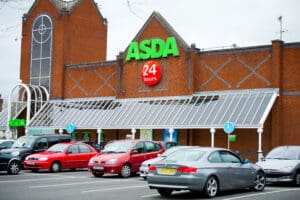
Asda has confirmed that more than 10,000 of its managers will not receive their annual bonuses this year, following a worrying slide in performance at the once-thriving supermarket chain.
The payout cancellation comes amid Asda’s worst Christmas sales in a decade and a slip in market share from 13.7 per cent to 12.6 per cent, heaping pressure on the leadership team to reverse the retailer’s fortunes.
The bonus scheme’s suspension, revealed shortly before Asda is due to publish last year’s financial results, is expected to dampen morale among staff. One former senior employee warned that the setback would prove devastating, saying: “Morale will be rock bottom. Even Allan [Leighton] won’t be able to pick them up from this. This will mean some of the top talent looking elsewhere.” A recruiter added that the bonus cuts risk causing “anarchy” within the organisation.
Allan Leighton, who returned as executive chairman late last year after more than two decades away, is credited with transforming Asda into a retail powerhouse in the 1990s. He has pledged to restore what he calls the “Asda DNA”. However, recent figures reflect the scale of the challenge ahead: industry data from Kantar reveals a 5.2 per cent fall in sales in the 12 weeks to 28 January.
Leighton has already taken steps to reduce overheads, including a restructuring of senior teams that led to the departure of 13 regional managers in February. It follows the decision late last year to make hundreds of head office staff redundant, prompting condemnation from the GMB union over the way job cuts were handled.
Critics argue that the removal of bonuses, while saving costs for a price-focused turnaround strategy, will do little to inspire confidence among employees at a time when only half of them say they believe in Asda’s corporate direction. The supermarket is still hunting for a permanent chief executive after Roger Burnley’s abrupt exit in August 2021. Lord Rose’s attempt to fill the top job stalled, leaving Leighton to relaunch the search in January.
Asda has been under intense scrutiny since its 2021 takeover by the Issa brothers and TDR Capital. Once the jewel in Britain’s supermarket crown, it has suffered repeated setbacks, prompting Lord Rose—who stepped down as chairman last November—to label its performance “embarrassing”. Leighton has cautioned that the turnaround could take as long as five years, a prediction that industry analysts say is realistic given the company’s current condition and impending cost pressures like the Extended Producer Responsibility recycling levy, National Insurance changes and the National Living Wage.
In addition to cutting bonuses and restructuring teams, Asda may embark on further acquisitions. Leighton has hinted he is open to deals that “create further shareholder value” by offering scale or new capabilities. However, any new investments will likely face fierce scrutiny, given the risks associated with integrating additional businesses and the supermarket’s immediate priority of stabilising performance.
An Asda spokeswoman declined to comment on the bonus cancellations. The move, though, underscores the challenging balance between cost management and maintaining staff motivation as the supermarket fights to regain ground in an increasingly competitive market.
Read more:
Asda faces staff backlash after scrapping 10,000 manager bonuses
Taxpayers lose largest-shareholder status in Natwest as Blackrock over …
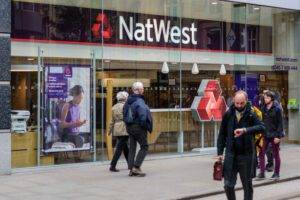
The government has relinquished its position as NatWest’s biggest shareholder for the first time in more than 15 years, with its stake slipping to 5.93 per cent.
This marks a significant moment in the state’s retreat from the £45.5 billion bailout of the bank—then known as Royal Bank of Scotland—during the 2008 financial crisis, when the taxpayer’s holding stood at almost 85 per cent.
BlackRock, the American investment behemoth, has emerged as NatWest’s top shareholder with a 6.4 per cent interest. The Treasury has been steadily trimming its stake via a “drip” trading programme, which sells shares at a level deemed “fair value” for taxpayers. NatWest itself has also participated by buying back shares directly.
Paul Thwaite, the bank’s chief executive, predicts NatWest will be fully privatised by the end of 2025. The lender recently reported a slight rise in pre-tax profits to £6.2 billion, boosted by fewer bad loan charges than expected. Thwaite’s strategy includes further cost-cutting, following a 3 per cent headcount reduction to 59,200 in 2024, and he remains open to further acquisitions—although he insists deals must deliver clear shareholder value.
NatWest was once propped up at a time when the bold expansion tactics of former chief executive Fred Goodwin contributed to the bank’s near collapse, most notably through the ill-fated takeover of Dutch rival ABN Amro. The demise of RBS forced the government into a multi-billion-pound rescue, leaving taxpayers with a substantial stake. Now, with shares trading around 478¾p, the state is finally nearing a full exit.
A NatWest spokeswoman commented: “Returning the bank to full private ownership is an ambition we share with the government and one that is in the interest of all our stakeholders.”
Read more:
Taxpayers lose largest-shareholder status in Natwest as Blackrock overtakes government stake
Trump signals readiness for swift UK-US trade deal during Prime Minist …

President Donald Trump has given fresh hope for a rapid trade agreement with Britain, declaring that threatened tariffs “wouldn’t be necessary” if negotiations progress as he anticipates.
The remarks came at a joint press conference with Prime Minister Sir Keir Starmer, who visited the White House seeking closer economic ties, clarity over US sanctions policies and support for a potential Ukraine settlement.
During their Oval Office meeting, Sir Keir presented Trump with a letter from King Charles inviting the US president for an unprecedented second state visit—an offer Trump deemed a “great honour.” The president also praised the King as a “wonderful man,” highlighting the importance of sustaining strong UK-US relations, both diplomatically and economically.
At the subsequent press event, Trump insisted a “real trade deal” could be finalised “very quickly,” potentially protecting British exporters from import taxes that have impacted other US allies, including hefty tariffs on steel and aluminium. Sir Keir echoed that sentiment, arguing that UK-US trade is already “fair, balanced and reciprocal.”
Beyond a potential free trade deal, both leaders addressed pressing geopolitical questions. Trump confirmed he will host Ukraine’s President Volodymyr Zelensky in Washington, despite having previously labelled Zelensky a “dictator”—an accusation Trump now claims not to recall making. Sir Keir, meanwhile, reiterated his willingness to deploy British troops to Ukraine in any internationally backed peace arrangement, but only if accompanied by “robust” US security guarantees.
The pair also discussed a planned UK agreement with Mauritius over sovereignty of the Chagos Islands—a move Trump indicated he was “inclined to go along with.” Crucially, the accord would preserve access to the strategic US-UK military base on Diego Garcia by leasing the island back to Britain after ceding sovereignty of the wider archipelago.
Finally, Sir Keir highlighted a separate “economic deal” centred on artificial intelligence, stressing that AI investment could be “the moon shot of our age” by potentially accelerating breakthroughs in areas such as cancer treatment.
Although previous attempts at securing a comprehensive US-UK free trade agreement have stalled, businesses and trade experts welcome signs of rapprochement. William Bain, the head of trade policy at the British Chambers of Commerce, described the White House talks as an “important first step” towards lowering tariffs, particularly for key sectors like automotive and pharmaceuticals.
Read more:
Trump signals readiness for swift UK-US trade deal during Prime Minister’s Washington visit
Skype to shut down in May 2025, directing users to teams free
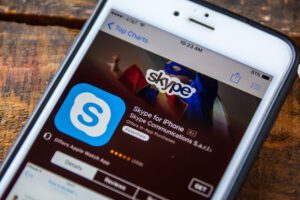
Microsoft’s popular online chat and phone service Skype will officially close its doors in May 2025, according to a statement posted on X (formerly Twitter).
Users are advised to migrate their accounts to Microsoft Teams Free “over the coming days” to maintain their existing chats, contacts, and calls.
“Starting in May 2025, Skype will no longer be available,” the company said, thanking customers for “being part of Skype.” While Microsoft has not yet provided an official comment to the media, the move is being interpreted as part of the tech giant’s strategy to consolidate its communication platforms.
Skype, once synonymous with internet-based calling, has undergone multiple updates since Microsoft acquired it in 2011. The latest announcement signals the end of an era for millions of users who relied on the service for voice and video calls, messaging, and conference features. Its user base is now encouraged to embrace Microsoft Teams Free, which promises to offer similar capabilities and a seamless transition.
Read more:
Skype to shut down in May 2025, directing users to teams free
Instagram weighs standalone reels app amid TikTok uncertainty in the U …

Instagram is reportedly considering spinning off its short-form video feature, Reels, into a standalone application.
The move, revealed by Instagram chief Adam Mosseri in a meeting with staff this week according to tech publication The Information, could intensify competition with TikTok, whose future in the United States remains precarious.
TikTok, owned by Chinese firm ByteDance, was granted a 75-day extension in January under a law signed by then-President Joe Biden, requiring a sale or ban of the platform. Former President Donald Trump had previously floated the idea of a 50-50 partnership between ByteDance and an American entity, although details on how that might function were never clarified. Critics of any ban have warned that it could undermine freedom of speech, especially given TikTok’s popularity with its 170 million US users.
Meta, Instagram’s parent company, did not respond to a request for comment on the potential Reels spin-off. The development recalls Meta’s ill-fated 2018 launch of standalone app Lasso, which was eventually shut down.
Analysts suggest that a dedicated Reels app could give Instagram stronger leverage in the fiercely competitive short-form video market, especially if TikTok’s US operations face further restrictions or an outright ban.
Read more:
Instagram weighs standalone reels app amid TikTok uncertainty in the US
Effective KPIs for Team-Building and Events Businesses

Key Performance Indicators (KPIs) are essential for understanding and improving business performance.
In my 20+ years of experience as an accountant, I’ve seen businesses that devote substantial time to financial reporting but neglect to monitor the metrics that drive growth. For team-building and events businesses, tracking the right KPIs is critical to understanding client satisfaction, marketing effectiveness, operational efficiency and financial health. These businesses often operate in a dynamic environment where success depends on delivering memorable experiences and efficient operations. Tracking KPIs helps to ensure you stay on top of customer demand, optimise resources and ultimately maximise profitability.
This blog has been split into the business areas that are essential to understand in order to continue to grow – being the customer; marketing; operations; and finance.
Customer Metrics
Customer metrics are central to understanding the quality of the experience you offer and how clients view your services. Positive customer relationships can drive repeat business, referrals and deliver long-term growth. Tracking these metrics helps you maintain a high level of customer satisfaction, which is especially important in team-building and events, where word-of-mouth recommendations and online reviews play a key role.
Feedback & Reviews – In an increasingly digital world, customer reviews on platforms like Google, TripAdvisorand social media can significantly impact your reputation. Positive feedback builds trust, while negative reviews highlight areas for improvement. By regularly monitoring reviews, you can quickly respond to issues, resolve complaints, and adapt your services to customer preferences. How do you choose where you’re going to eat or what activity to do for an occasion? If you’re not pushing for reviews on the platforms your ideal customers are using to make these decisions, how much business might you be missing out on?
Error Log & Resolution Time – In the events industry, problems can arise unexpectedly. Whether it’s a delay, technical difficulty, or an issue with event logistics, tracking complaints and how long it takes to resolve them can provide insights into operational weaknesses. By reducing resolution time, you can improve service quality and ensure a smoother event experience for your clients. What’s your average customer service response timeframe? What might happen if you halved it?
Repeat Customers & Referrals – Tracking repeat business and referrals is essential for understanding customer loyalty. Repeat customers are often more profitable, as they require less marketing spend to convert. In a team-building business, the value of referrals cannot be overstated – they are a testament to your brand’s trustworthiness and success in delivering memorable experiences. By tracking these metrics, you can tailor marketing strategies to encourage repeat business and strengthen your referral program.
Marketing Metrics
Marketing is the lifeblood of any business, and team-building and events companies are no exception. These businesses must stay ahead of competitors in an ever-evolving market by employing effective marketing strategies. Monitoring the right marketing metrics helps ensure your efforts are yielding the best return on investment (ROI) and allowing your business to reach new clients.
Email Engagement – Email marketing remains a powerful tool for building relationships with potential and existing clients. By analysing open rates, click-through rates and conversion rates from email campaigns, you can assess the effectiveness of your messaging and calls to action. This is especially important for team-building businesses, which often rely on repeat customers or corporate clients who need regular engagement. Have you evolved the way in which you speak to your customers in email campaigns in reaction to campaign success metrics?
Social Media Performance – For events and team-building companies, social media serves as both a marketing tool and a way to engage directly with clients (alongside ensuring you pass a simple credibility check). Monitoring metrics such as engagement, shares and audience growth on platforms like TikTok, Instagram, and LinkedIn can help you gauge brand awareness and how well your content resonates with potential clients.
Website Analytics – Your website is the centrepiece of your online presence, so understanding how visitors interact with it is key to converting leads into clients. By tracking organic traffic, referral traffic, conversion rates and key user interactions (such as time spent on the page and bounce rates), you can optimise your site to enhance the user experience and improve conversion rates. Does one page get increased engagement? Can you replicate the drivers across the website?
Google My Business Insights – In the competitive events industry, visibility is crucial. Tracking Google My Business metrics such as visibility, search queries and customer actions (calls, directions, website visits) can help you understand how well your business is performing in local searches and how clients are engaging with your business online.
Search Engine Optimisation (“SEO”) Performance – For team-building and events businesses, SEO is essential for organic growth. Tracking organic website traffic, monitoring backlinks and assessing domain ratings helps you gauge the effectiveness of your SEO strategy. The better your SEO, the higher you’ll rank in search engines, making it easier for potential clients to find your services. For a business that relies on local clients or large events, this can significantly impact your client acquisition strategy.
Paid Marketing Performance – Paid marketing campaigns such as Google Ads or Facebook Ads can drive immediate traffic, but it’s essential to measure their effectiveness in terms of brand awareness and conversions to bookings. By tracking impressions, reach and the cost per conversion, you can refine your paid marketing strategy and ensure you’re getting the best ROI.
Operational Metrics
The success of any event, particularly in the team-building sector, hinges on operational efficiency. Tracking operational KPIs ensures that your business runs smoothly, maximising efficiency, reducing errors and optimising resource allocation.
Event Attendance & Capacity Utilisation – In the events industry, the ability to optimise event capacity is crucial to profitability. Tracking actual attendance against planned capacity allows you to make adjustments in real-time and better forecast demand for future events. This KPI helps avoid overbooking or underutilising venues and resources.
Game Completion Rates – In team-building businesses, it’s important to track how many teams complete experiences. This data helps you identify which activities or challenges are more engaging or highlighting where participants tend to drop off. Understanding this helps improve event design, ensuring participants stay engaged throughout the experience.
Time Efficiency – Efficiency is key to profitability, especially in events with tight schedules. By evaluating the time it takes to set up, run, and close down events, you can streamline processes, reduce costs and increase the overall quality of service. This is particularly relevant in team-building, where each minute counts to ensure a seamless experience. Neither the corporate nor individual attendees want to be waiting around twiddling their thumbs when they’ve managed to get some time away from their desks!
Staff Utilisation – In team-building and events businesses, your team is one of your most valuable assets. Monitoring how effectively team members are allocated based on demand and workload ensures you’re not overstaffed or understaffed, which can impact both customer experience and profitability.
Finance Metrics
Financial health is the backbone of any successful business, in particular a thorough understanding the financial metrics that drive profitability are essential. Team building and events businesses often deal with seasonal fluctuations in bookings and revenue, making it even more important to closely track financial KPIs.
Revenue Tracking Setup – Setting up accurate and relevant revenue tracking is vital. Categorising revenue by customer types or platforms helps you understand where your income is coming from, making it easier to allocate resources and make informed decisions (such as inking to appropriate marketing campaigns discussed earlier). Clear tracking ensures accurate financial reporting without the need to manipulate bookkeeping methods.
Profit Metrics – Identifying your key profit metric, whether gross profit, net profit, or another measure, helps you understand the true financial health of your business. Profitability is especially important in the competitive events industry, where margins can be thin. Excluding factors like depreciation gives a clearer picture of the actual profitability of the services you offer.
Bookings vs. Players – For team-building and events businesses, it’s important to distinguish between bookings made and actual players attending. This distinction helps track revenue in the pipeline, account for deferred revenue and predict future cash flow, which is critical for managing cash flow gaps between bookings and actual payments.
Balance Sheet (BS) Metrics – Monitoring balance sheet metrics such as assets, liabilities, and equity allow you to assess the financial stability of your business, which is especially important when considering future investments or expansion.
Cash Flow – Monitoring cash inflows and outflows helps ensure your business can meet its financial obligations, pay employees, and reinvest in growth. Cash flow management is particularly important in team-building and events businesses where seasonality or upfront payment schedules can create financial pressure. People often talk about different profit measures, EBITDA etc, but Cash is always King!
Forecasting Revenue – By updating forecasts based on confirmed bookings and conversion probability, you can project future income and better manage resources.
Revenue from New vs. Repeat Business – This metric helps assess customer loyalty and optimise marketing efforts. By tracking new versus repeat clients, you can tailor your strategy to retain loyal clients while attracting new ones.
Final Thoughts
Focusing on all of the above KPIs allows small businesses in the team-building and events industry to make informed decisions, improve operations, and drive sustainable growth.
Whether you’re managing corporate events, team-building activities, or social gatherings, tracking the right metrics ensures long-term success. By closely monitoring customer feedback, marketing performance, financial health, and operational efficiency, businesses can gain actionable insights to refine their strategies and optimise performance. The ability to track and respond to KPIs will help your business thrive, ensuring that every event, every booking, and every customer experience is a step toward greater success.
Whilst I know it sounds like a lot, once you develop good processes and systems these get easier and easier to update, track and compare. Using actual data to drive decisions, rather than relying on gut feel, will speed your company’s path to success!
Get on touch if you’d like to discuss further or understand the processes we’ve used at StreetHunt Games to track our KPI’s.
Read more:
Effective KPIs for Team-Building and Events Businesses
UK house prices have risen three times faster than flats since 2020

House prices have climbed three times faster than flat values since the start of the pandemic, with cladding concerns and mounting service charges weighing on the popularity of apartments, according to research from Zoopla.
The property portal’s data suggests that UK house prices have risen by 24 per cent over the past five years, compared with just 7 per cent growth for flats. Over the last year alone, flats edged up by 0.5 per cent, while houses advanced by 2.2 per cent. As a result, the average house price now stands at £319,445—1.7 times higher than the average flat price of £191,309—marking the largest price gap for more than three decades.
The “race for space” triggered by lockdowns was a key factor, with many people seeking larger homes and gardens after weeks cooped up indoors. Zoopla also points to the reputational harm suffered by flats amid mounting reports of high service charges, contested ground rents and concerns about building safety—particularly relating to cladding issues. “Flats have become even cheaper compared to houses over the last five years,” said Richard Donnell, executive director at Zoopla. While buyers still favour houses, Donnell believes there is scope for shrewd investors to capitalise on more affordable flats.
Signs of a modest rebound in flat prices in 2024 appear to be encouraging more vendors to test the market. In the opening weeks of 2025, Zoopla recorded a 14 per cent increase in the number of flats listed for sale, compared with a 5 per cent increase for houses.
Yet while flat owners now seem more willing to sell, a significant share stand to make little or no profit. Zoopla found that 15 per cent of flats currently on the market are listed below their previous purchase price, and about 40 per cent are set at less than £20,000 above the last sale.
Donnell said he does not expect house prices to continue outpacing flats indefinitely—particularly once additional stamp duty costs begin in April. A surge of buyers racing to complete deals before the threshold adjustment has pushed the volume of agreed sales up 10 per cent year on year. Once that rush subsides, he predicts relative price growth for houses may level off, potentially allowing more balance to return to the market.
Read more:
UK house prices have risen three times faster than flats since 2020

