
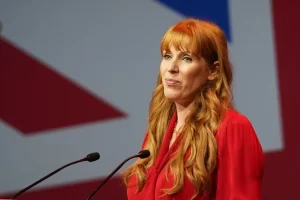
Angela Rayner’s ambitious overhaul of workers’ rights could burden UK employers with nearly £5 billion in additional costs each year, according to an impact assessment published by the government.
The reforms, proposed in the Employment Rights Bill, could result in businesses raising prices, cutting back on wages, or reducing investment as they grapple with a significant increase in operating expenses.
The government’s analysis estimates the annual cost to businesses at £4.5 billion, but it warned that the total impact could rise to £5 billion. This comes as companies already face a looming tax increase, with Chancellor Rachel Reeves expected to raise employer National Insurance Contributions (NICs) in the upcoming Autumn Budget.
Business groups have criticised the scale of the proposed changes, warning that they could deter investment and harm growth. In a meeting with Kevin Hollinrake, the shadow business secretary, leaders from major organisations including the Confederation of British Industry (CBI) and the British Chambers of Commerce expressed concern over the potential economic impact. One attendee described the government’s approach as using “a sledgehammer to crack a nut.”
Sweeping changes to workers’ rights
Rayner’s proposed Employment Rights Bill aims to end exploitative zero-hours contracts, give workers the ability to take employers to a tribunal from their first day on the job, and extend statutory sick pay. The deputy prime minister has hailed the package as “the biggest upgrade to rights at work for a generation.”
However, the government’s analysis suggests these changes come with substantial costs. The bill is expected to cost businesses £1 billion annually for ending zero-hours contracts, £1 billion for compensating workers for shifts cancelled at short notice, and up to £1 billion for expanding access to statutory sick pay.
Critics argue that the most expensive measures in the bill may have unclear benefits for society. The analysis noted that policies such as the right to guaranteed hours could impose significant costs on businesses while delivering only “uncertain” advantages.
Sectoral impact and business concerns
The costs of the reforms are expected to hit certain sectors harder than others. Businesses in lower-paid industries, such as retail, hospitality, and social care, are likely to bear the brunt of the additional financial burden. According to the analysis, the new measures could increase the total wage bill for UK businesses by 0.4%.
Kate Nicholls, CEO of UK Hospitality, warned of the potential consequences for the industry. “With more than half of our operating costs already taken up by employment and wage costs, any addition to that will have a net impact – both on prices to the consumer and on job opportunities for employees,” she said.
Smaller businesses are particularly vulnerable, as they may struggle to absorb the fixed costs associated with the new regulations. According to a survey conducted by the Office for National Statistics (ONS), two-fifths of businesses plan to raise prices in response to higher labour costs, while 17% anticipate cutting staff.
Broader economic effects
While Rayner’s reforms aim to raise living standards, the government’s impact assessment concluded that the bill would only deliver a “small” positive effect on economic growth. The report highlighted that while some businesses may benefit from having more productive and secure workers, others may reduce investment or cut jobs to cope with rising costs.
Industry leaders, including Steve Alton, CEO of the British Institute of Innkeeping, have called on the chancellor to provide support for affected sectors in next week’s budget. Alton warned that the new employment costs would be “unaffordable” for many businesses without additional relief, particularly in the hospitality sector, which has already faced significant pressures from inflation and high operating costs.
Sir Tim Martin, founder of JD Wetherspoon, criticised the increasing levels of regulation and taxation on businesses, arguing that excessive regulation stifles investment and prosperity. “There appears to be a belief that you can regulate your way to prosperity. This belief will almost certainly lead to less investment and less prosperity,” he said.
Balancing workers’ rights with business costs
Despite the concerns, Rayner remains committed to her reforms, stating that millions of workers will benefit from stronger employment protections. “We said we would get on and deliver the biggest upgrade to rights at work in a generation and the growth our economy needs – and that is exactly what we are doing,” she said.
Read more:
Rayner’s workers’ rights overhaul could cost employers up to £5bn annually, government warns
Category: Uncategorized
UK government borrowing surges to £16.6bn in September, exceeding for …

Government borrowing in the UK surged to £16.6 billion in September, exceeding expectations and putting additional pressure on Chancellor Rachel Reeves ahead of her first Budget next week.
According to figures from the Office for National Statistics (ONS), the deficit for September was up by £2.1 billion compared to the same month last year, marking the third-highest borrowing figure on record for the month. This increase brings total government borrowing to £6.6 billion more than the Office for Budget Responsibility (OBR) had forecast for the year so far, with a cumulative total of £73 billion.
The significant borrowing underscores the fiscal challenges facing the UK government as it grapples with high debt levels, rising interest rates, and growing public sector demands. The debt-to-GDP ratio reached 98.5% in September, the highest since the 1960s, driven largely by a sharp rise in debt interest payments, which totalled £5.6 billion for the month, up from £1 billion in September 2023.
Budget pressures and fiscal tightening
Chancellor Rachel Reeves is expected to announce £40 billion of fiscal tightening in her Autumn Budget, which will include a combination of tax increases and potential spending cuts to reduce the growing deficit. Speculation surrounds potential hikes in capital gains tax and the possibility of subjecting employers’ pension contributions to national insurance. This comes as the government aims to address the significant public sector debt while also laying out its long-term economic strategy.
The upcoming Budget will be Reeves’ first, making her the first female chancellor to deliver such an announcement in British history. The Budget follows a difficult start for the Labour government, which has faced internal disputes over policies such as the two-child benefit cap and backlash over reduced pensioner winter allowances.
Reeves and Prime Minister Sir Keir Starmer have both stated that Labour will need two full parliamentary terms to repair the UK’s public services and stimulate economic growth. The budget will likely be the first step in this longer-term vision, shaping the tax and spending policies for the next five years.
Growing debt interest and spending challenges
Debt interest payments have become a significant burden on the UK’s public finances due to rising interest rates. The £5.6 billion spent on debt interest in September alone reflects the growing challenge of managing public sector debt while meeting increased demands for public sector pay rises and other government spending.
Jessica Barnaby, deputy director for public sector finances at the ONS, commented: “Borrowing this month was about £2 billion up on last year, making this the third highest September figure on record. While tax revenue increased, this was outweighed by increased spending, partly due to higher debt interest and public sector pay rises.”
While the chancellor is expected to introduce tax rises, economists have argued that increasing public investment spending is necessary to stimulate growth. Reeves may also look to adjust how public debt is measured, potentially including the value of government assets in the debt definition. This could create an additional £50 billion in fiscal headroom, giving the government more flexibility in managing the budget.
Difficult decisions ahead
The scale of potential budget cuts has reportedly caused concern among some cabinet ministers, particularly over how departments like local councils might be affected. While the NHS is expected to see funding rise in real terms, other unprotected departments could face significant spending reductions as part of the government’s efforts to meet its fiscal targets.
The previous Conservative chancellor, Jeremy Hunt, left £8.9 billion of fiscal headroom following his March 2023 Budget. However, with the rising cost of debt and the need to stabilise public finances, the current Labour government faces tough decisions on how to balance spending cuts with the need for investment and public services reform.
Read more:
UK government borrowing surges to £16.6bn in September, exceeding forecasts
UK business confidence hits twelve-month low as Autumn Budget looms

Business confidence in the UK has taken a sharp downturn, recording its first decline in a year, as concerns mount over Chancellor Rachel Reeves’ forthcoming Autumn Budget.
The latest economic data, alongside insights from the upcoming SME Barometer brought to you by Prism, highlights growing apprehension among businesses, with many fearing significant fiscal challenges ahead.
The Institute of Chartered Accountants in England and Wales (ICAEW) reports that business confidence dropped to 14.4 in Q3 2024, down from 16.7 in Q2. This decline marks a significant shift in sentiment as slow business growth and a deteriorating economic outlook begin to take hold. Prime Minister Sir Keir Starmer’s recent warning that the upcoming budget “will be painful” has only exacerbated these concerns.
Declining business confidence
The latest Lloyds Bank Business Barometer shows that business confidence fell to 47% in September, its lowest level in three months. While companies remain optimistic about their own trading prospects, there is widespread unease about the broader economic landscape. This suggests that while businesses may feel secure in their individual operations, they are losing faith in the UK’s overall economic direction.
SME concerns ahead of the budget
Prism’s forthcoming SME Barometer reveals a troubling outlook for small and medium-sized enterprises (SMEs). The data shows that:
– 75% of SMEs express concern that political uncertainty could negatively impact their business.
– 78% are worried about post-budget fiscal challenges, with fears of tax increases at the forefront.
The tax burden is emerging as a major issue, with 29% of businesses citing it as a significant barrier to growth. ICAEW data indicates that the sectors most concerned include energy, water, and mining (44%), property (38%), and retail and wholesale (32%).
Sectoral variations in concern
The differing levels of concern across industries highlight the uneven impact of potential fiscal measures. Resource-intensive sectors, such as energy and mining, are particularly vulnerable to changes in the tax regime due to their high fixed costs and reliance on stable fiscal conditions. Property and retail businesses are also feeling the pressure, as they brace for potential increases in operating expenses due to tax hikes or regulatory changes.
A turning point for the UK economy
The drop in business confidence is particularly significant given the relative stability over the past year. This shift comes at a critical moment for the UK economy, as companies face ongoing challenges such as inflation, labour shortages, and rising energy costs. The looming Autumn Budget is seen as a pivotal moment that could either restore confidence or further erode it, depending on the measures announced.
Read more:
UK business confidence hits twelve-month low as Autumn Budget looms
UK at ‘massive global disadvantage’ over tourist tax, retail bosse …

Retail leaders are calling on Chancellor Rachel Reeves to scrap the so-called “tourist tax,” warning that Britain is losing billions in economic growth as tourists opt to shop elsewhere in Europe
In a letter signed by more than 300 chief executives, including leaders from John Lewis, British Airways, Fortnum & Mason, and the Royal Opera House, Reeves is urged to reintroduce VAT-free shopping for overseas visitors in her upcoming Budget.
The signatories, which also include high-profile figures such as hotelier Sir Rocco Forte, fashion designers Sir Paul Smith and Anya Hindmarch, argue that the removal of tax-free shopping has left the UK at a “massive global disadvantage.”
The letter states: “What has become known as the ‘tourist tax’ has turned into a spectacular own goal for the UK. The UK is now the only country in Europe that does not offer tax-free shopping to tourists, leaving British businesses at a massive global disadvantage. This does not just affect a few luxury stores in London’s West End… The entire tourist economy is affected.”
Brexit and the tourist tax
The tourist tax refers to the end of VAT-free shopping for tourists, a policy scrapped by then-chancellor Rishi Sunak in the wake of Brexit. The Treasury has maintained that reinstating the scheme would cost up to £2 billion annually in lost tax revenue. However, retailers argue that this assessment is flawed and overlooks the broader economic benefits of encouraging tourism.
Research by the Centre for Economics and Business Research (Cebr) suggests the decision is costing the UK £11.1 billion in lost GDP each year and is deterring 2 million tourists annually. The letter stresses that tourists are increasingly choosing to visit cities like Paris, Milan, and Berlin where VAT rebates are still available, rather than shopping in the UK.
Brian Duffy, CEO of the Watches of Switzerland Group, highlighted the potential economic benefits of reintroducing VAT-free shopping: “The new Labour Government says that growth is its priority. Bringing the UK in line with other countries and removing the tourist tax would make an immediate positive impact on UK economic growth.”
Treasury review and ongoing debate
Earlier this year, former chancellor Jeremy Hunt ordered the Office for Budget Responsibility (OBR) to review the impact of the tourist tax. Despite the retail sector’s concerns, the OBR maintained that the Treasury’s initial calculations, which concluded that the tourist tax would not significantly impact the economy, were accurate. The OBR noted that reinstating VAT-free shopping would be unlikely to increase the UK’s productive capacity.
Nevertheless, retail bosses are calling for a new assessment. The letter to Reeves asks for “decisive action” and a fresh, objective review of the issue to address the financial harm the tourist tax is allegedly causing.
Economic impact and industry pressure
Retailers argue that the tourist tax is not just a burden on luxury brands in London’s West End but impacts the entire hospitality and retail sectors across the UK. The tax discourages international visitors from spending in Britain, hurting businesses nationwide that depend on tourism revenue.
The government’s resistance to restoring the tax-free shopping scheme has left many in the retail sector frustrated, with industry leaders warning that British businesses are being forced to compete on an uneven playing field. Sir Rocco Forte and other signatories insist that reintroducing VAT-free shopping would not only align the UK with other European countries but also boost tourism, generate additional revenue, and support economic growth.
The Treasury has yet to respond to these latest calls, but as Rachel Reeves prepares to deliver her maiden Budget, pressure is mounting from retail leaders who argue that scrapping the tourist tax could provide a much-needed boost to the UK’s post-Brexit economy.
Read more:
UK at ‘massive global disadvantage’ over tourist tax, retail bosses warn Rachel Reeves
Capital gains tax raid could create one of the world’s most ‘anti- …
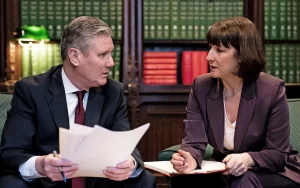
Chancellor Rachel Reeves’s upcoming Budget risks pushing the UK towards having one of the least competitive tax systems in the developed world, according to a major new analysis by the US-based Tax Foundation and the UK’s Centre for Policy Studies (CPS).
The report warns that if Labour introduces a widely expected capital gains tax increase, the UK could plummet further down the Organisation for Economic Co-operation and Development (OECD) tax competitiveness rankings.
The UK has already dropped to 30th place out of 38 OECD countries in the Tax Foundation’s 2024 International Tax Competitiveness Index, as a result of the previous government’s measures. However, the study suggests that further tax hikes under Ms Reeves could see Britain fall another four to five places, leaving it just ahead of France, Italy, and Colombia in the overall rankings.
Daniel Herring, a researcher at the CPS, warned: “There’s a real danger that Britain could end up with one of the least competitive and most anti-growth tax systems in the OECD if the expected tax rises come to fruition in the Budget. If Labour truly wants long-term economic growth, it needs to consider fundamental tax reform, rather than just increasing taxes.”
Concerns over capital gains and dividend tax hikes
The analysis focuses particularly on potential increases in capital gains tax and dividend tax. The CPS modelled the impact of these measures, showing that raising capital gains tax could drop the UK’s ranking to between 32nd and 34th. Similarly, raising the higher rate of dividend tax to 45%, to align with income tax, would drop the UK two places to 32nd. If both changes are combined with a mooted wealth tax, the UK could fall to 35th place, fourth from the bottom of the OECD rankings.
These changes are being considered as part of Ms Reeves’s broader tax reform agenda, which aims to raise £35 billion in new revenue. While a wealth tax has reportedly been ruled out, tougher measures on capital gains tax and inheritance tax appear likely. The Chancellor is said to be reviewing business and agricultural reliefs offered under inheritance tax, which currently grant 50% relief on the value of property and land.
Threat of a brain drain and market destabilisation
Wealth advisors are warning that the proposed tax changes could lead to a “brain drain” as business owners consider relocating abroad to avoid punitive taxes. Jason Hollands, managing director of Evelyn Partners, highlighted that many entrepreneurs are already exploring options to become non-residents if the UK’s tax environment becomes too hostile.
“There is a risk that we end up exporting many of our entrepreneurs overseas, sapping the economy of job creators,” said Hollands. He noted that his firm is already having numerous conversations with clients who are researching the possibility of leaving the UK in response to potential tax hikes.
In addition to the potential exodus of entrepreneurs, analysts have raised concerns that changes to inheritance tax reliefs, particularly on Aim-listed stocks, could destabilise investment markets. Mr Hollands pointed out that removing Aim’s business relief could have a significant impact on the market, as a large portion of Aim investments are tied to tax mitigation strategies. He warned that removing business relief without transitional arrangements could prompt a wave of sell-offs, further weakening the exchange.
“Aim has already been struggling with a dearth of IPOs and a reduction in the number of companies listed. Removing business relief would be a real hammer blow, especially if existing shareholders are given no incentives to hold on,” Hollands said.
Mixed messages on pro-growth agenda
The potential tax increases come at a time when the government is promoting itself as pro-growth. A Treasury spokesperson pointed to the record £63 billion of private investment secured at the recent International Investment Summit as proof that the UK remains a top destination for business investment. They added that Ms Reeves’s budget would continue to support businesses by capping corporation tax at 25% and publishing a business tax roadmap to provide long-term certainty for businesses.
However, mid-sized businesses remain concerned about the impact of the Budget. A recent survey by accounting firm BDO found that many of the 500 businesses surveyed were worried about rising costs and a lack of clarity on government policy. Richard Austin, a partner at BDO, said: “These businesses are crying out for some certainty.”
As the UK government walks a fine line between increasing revenue and maintaining competitiveness, the upcoming Budget will be crucial in determining whether Britain can balance its growth ambitions with a tax system that supports businesses and entrepreneurs.
Read more:
Capital gains tax raid could create one of the world’s most ‘anti-growth’ tax systems
October budget 2024 predictions: what Rachel Reeves could announce
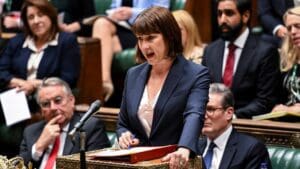
With the Labour government set to present its first budget on 30 October, anticipation is mounting as businesses and individuals alike brace for potential tax changes and spending shifts.
Chancellor Rachel Reeves has made it clear that tax hikes are inevitable, framing them as necessary for restoring fiscal and economic stability. In her address at the government’s investment summit earlier this week, Reeves underscored the importance of this stability as a precursor to investment, signalling that businesses understand the need for such measures to “balance the books.”
While Labour pledged not to raise key taxes affecting working people, such as income tax, VAT, and personal national insurance contributions, the party left the door open to raising employers’ national insurance contributions, capital gains tax (CGT), and other levies, including those on the gambling sector. The rumoured changes have already sparked concern among some industries, with UK-based bookmakers seeing their shares fall following reports of potential tax increases of up to £3 billion in the upcoming budget.
Meanwhile, Prime Minister Sir Keir Starmer has sought to calm nerves, dismissing speculation that CGT could rise to 39% as “wide of the mark,” but confirmed that tax increases would be part of the plan to restore the UK’s economic footing. This comes against a backdrop of criticism from the business community regarding Labour’s handling of the economic legacy left by the previous Conservative government, with claims of a £22 billion fiscal deficit requiring “difficult decisions.”
Here’s a breakdown of the possible changes that Chancellor Reeves could announce in the Autumn Budget 2024:
Employers’ national insurance contributions
One of the most significant potential measures is a rise in employers’ national insurance contributions (NICs). Although Labour ruled out increasing NICs for employees in their election manifesto, they did not extend this promise to employers. Jonathan Reynolds, the business secretary, hinted at this possibility, stating that raising employers’ NICs could be a viable way to boost Treasury revenue without directly impacting workers.
A one percentage point increase in employers’ NICs could raise approximately £8.9 billion a year, offering a substantial boost to government finances as it seeks to plug the fiscal gap. However, this move could face opposition from businesses already struggling with higher costs amid inflation and rising interest rates.
Capital gains tax
Capital gains tax (CGT) is another area under scrutiny. Although Starmer has played down the likelihood of CGT rising as high as 39%, the chancellor may still look to increase CGT rates to bring them more in line with income tax rates, or expand the range of assets subject to CGT. Currently, CGT is levied at 10% for basic-rate taxpayers and 20% for higher-rate taxpayers, with a higher rate applied to property transactions.
Increasing CGT could raise significant revenue, but it also risks disincentivising investment in the UK, particularly in the tech and start-up sectors, which rely heavily on capital investment. Some investors have already accelerated plans to sell their businesses ahead of potential tax increases, highlighting the uncertainty surrounding this issue.
Non-domiciled tax status
The controversial non-domiciled tax status, which exempts foreign-earned income from UK taxation, is also on the table. While Labour has previously criticised the system for allowing wealthy individuals to avoid UK taxes, there are concerns that changing this status could deter high-net-worth individuals and businesses from locating in the UK.
Billionaire John Caudwell, a former Tory donor who switched to supporting Labour, warned against drastic changes to the non-dom tax regime, cautioning that it could harm the UK’s ability to attract wealthy investors. Any changes to this tax status would need to be carefully balanced to avoid negative impacts on inward investment.
Income tax thresholds
Although the chancellor is unlikely to raise income tax rates, she could lower the thresholds at which the various tax bands kick in. Currently, individuals pay 20%, 40%, and 45% income tax depending on their earnings, but reducing the thresholds would bring more people into the higher tax brackets.
This move would allow the Treasury to increase revenue without breaking Labour’s promise not to raise income tax rates. According to the Institute for Fiscal Studies (IFS), reducing the personal allowance or the basic-rate limit by 10% could generate an additional £10 billion and £6 billion, respectively, in annual revenue. However, this approach would still feel like a tax hike to many, as it would effectively increase the tax burden on middle-income earners.
Pensions
Reeves is expected to back away from earlier plans to cut tax relief on pension savings, following warnings that such a move would disproportionately affect public sector workers, including teachers and nurses. Currently, pension contributions are eligible for tax relief at the saver’s marginal rate of income tax, meaning higher earners receive 40% or 45% relief on contributions.
While reducing pension tax relief could potentially raise billions, it would risk alienating a key section of the electorate and sparking backlash from unions and public sector organisations. As a result, it seems likely that the chancellor will avoid making significant changes in this area for now.
Inheritance tax
Inheritance tax (IHT) is another area where Reeves may introduce reforms. While IHT currently applies to only around 4% of estates, it is often viewed as an unfair form of double taxation. Labour could look to increase revenue from IHT by removing exemptions for business and agricultural assets, which are currently passed on tax-free.
A cap on these exemptions, or their abolition altogether, could raise around £2 billion annually, according to the IFS. Other potential changes include closing loopholes that allow wealthy individuals to avoid CGT when passing on estates to their heirs, which could generate additional funds for the Treasury.
Fuel duty
Reeves may break with the Conservative tradition of freezing fuel duty, which has been in place since 2011. Increasing fuel duty could raise an additional £6 billion a year, which would provide a significant revenue boost at a time when the government is looking to close the fiscal deficit. This move could also help steer motorists towards more environmentally friendly vehicles, aligning with Labour’s green agenda.
Private equity profits
The taxation of private equity profits, particularly carried interest, has long been a contentious issue. Currently, carried interest is taxed as capital gains rather than income, meaning private equity executives benefit from lower tax rates. Increasing the tax rate on carried interest to match income tax rates could raise an additional £2 billion in revenue, though it could also lead to behavioural changes that reduce the overall tax take.
Gambling taxes
Reports that the government is considering raising taxes on UK-based gambling companies by as much as £3 billion have already shaken the markets. While Labour may see the sector as a potential source of significant revenue, there are concerns that such a move could harm the industry and lead to job losses.
Other tax options
Reeves has ruled out a wealth tax, despite pressure from trade unions to introduce one. However, the chancellor may introduce a new tax modelled on the health and social care levy introduced by Boris Johnson’s government in 2021. Such a levy could provide a new revenue stream without breaching Labour’s promises on income tax, VAT, or personal national insurance contributions.
Fiscal rules
The chancellor may also tweak the fiscal rules to create more room for public investment. By adopting alternative debt measures, such as public sector net worth (PWNW) or public sector net financial liabilities (PSNFL), Reeves could increase fiscal headroom by as much as £60 billion, providing additional funds for infrastructure and public services.
Read more:
October budget 2024 predictions: what Rachel Reeves could announce
Record number of UK businesses at risk of collapse ahead of critical a …

A record number of UK businesses are facing significant financial distress, underlining the precarious state of the economy as Chancellor Rachel Reeves prepares to unveil her first budget on 30 October.
A report by Begbies Traynor, the insolvency specialists, revealed that 632,756 companies were at substantial risk of failure in the three months leading up to September—an increase of nearly a third from the same period last year and a 5% rise compared to the previous quarter.
The Begbies Traynor Red Flag Alert report, which tracks key financial indicators such as profit retention, interest coverage ratios, and contingent liabilities, has recorded the highest level of business distress since its inception two decades ago. This surpasses even the figures seen during the global financial crisis in 2008.
Rising distress across industries
One of the key drivers behind the surge in corporate distress has been a sharp 20% rise in the number of utility companies at risk of collapse. This comes amid warnings from Moody’s, the credit rating agency, that major water companies, including Thames Water, may buckle under growing debt burdens unless they are allowed to substantially raise customer bills.
Retailers, particularly in the food and drug sectors, have also felt the strain, with a 10.4% increase in financial distress reported. Other sectors seeing sharp rises include financial services (9.9%) and bars and restaurants (8.7%). Out of the 22 sectors tracked by Begbies Traynor, 21 reported an uptick in distress levels over the last quarter.
However, some areas have seen a reduction in critical stress levels, the most severe form of financial distress tracked in the report. Critical distress among businesses dropped by 23% to 31,201 in the last quarter, down from 40,613, with improvements noted in the hotels and accommodation, construction, and real estate sectors.
Impact of upcoming budget and tax rises
With Rachel Reeves expected to introduce £40 billion in fiscal changes, including potential increases to capital gains tax and the application of national insurance to employers’ pension contributions, concerns are mounting that already struggling businesses could be pushed further toward collapse.
Julie Palmer, a partner at Begbies Traynor, warned that Reeves’s budget could be the tipping point for many firms. “The prospect of a change of government was viewed as a potential catalyst for a much-needed economic boost,” Palmer said. “But there are significant concerns surrounding what the next budget might hold for the economy, and the knock-on effect could be damaging for many businesses teetering on the edge of collapse, as it seems certain many will have to deal with higher employee-related taxes.”
Separate data from the Insolvency Service released on Friday showed a slight increase in company insolvencies, rising by 2% month-on-month to 1,973 in September, although this figure was down by 7% compared to the same time last year.
Mixed business sentiment ahead of budget
Businesses are cautiously awaiting the outcome of the autumn budget, with many concerned that a higher tax burden could worsen the already fragile economic conditions. Jo Streeten, managing director at AECOM, noted that business sentiment had weakened since the summer. “While businesses appear likely to have to shoulder an increased tax burden, there are hopes the budget will also bring with it new policies to boost investment and offer more certainty around major infrastructure projects,” Streeten said.
The retail and hospitality sectors, in particular, are likely to feel the brunt of any new fiscal measures, as they have been among the hardest hit by rising inflation and labour costs over the past year.
Personal insolvencies also on the rise
The financial strain isn’t limited to businesses. Personal insolvencies have surged by 44% over the past year, reaching 10,651 in September, largely driven by changes in government policy. The removal of the £90 fee required to obtain a debt relief order, a formal insolvency process designed to help individuals manage unsustainable debt, has contributed to the sharp rise in personal insolvency figures.
As the country prepares for the upcoming budget, all eyes are on how Reeves will balance the need for fiscal responsibility with measures to encourage economic growth. With a record number of businesses in distress and personal insolvencies on the rise, the stakes for the chancellor’s decisions have never been higher.
Read more:
Record number of UK businesses at risk of collapse ahead of critical autumn budget
Funding for UK start-ups falls to six-year low as investment slows

Investment in UK start-ups has hit its lowest level in six years, highlighting the growing challenge for the government in stimulating economic growth.
In the three months to September, there were just 32 fundraising rounds for early-stage businesses, down from 75 in the previous quarter, according to data provided to The Times.
A study commissioned by VenturePath, an investor group focused on early-stage companies, revealed that UK start-ups raised £162 million by issuing shares to external investors during this period. This is the lowest quarterly figure recorded in at least six years. Despite the drop in the number of funding rounds, the average amount raised in so-called Class A funding rounds rose to over £5 million, compared to £4.2 million in the previous quarter.
The research, conducted by Beauhurst, a firm that monitors private company activity, suggested that the UK is struggling to scale businesses beyond the start-up phase, which could hinder broader economic growth. Rachel Reeves has committed to leading the most pro-growth Treasury in the nation’s history, with a focus on boosting the UK’s GDP growth to the highest in the G7.
With the Autumn Budget on the horizon, Chancellor Rachel Reeves is expected to implement tax hikes and cut public spending by £40 billion, reallocating funds within various departments. However, the UK’s growth prospects remain hampered by slow productivity and a lack of investment since the 2008 financial crisis, with further constraints on early-stage funding potentially stifling innovation and technological progress.
Michael Moore, CEO of the British Private Equity and Venture Capital Association, stated: “We urgently need to inject substantial new capital into the venture capital funds that support the innovative businesses that will drive the British economy forward.”
Julian David, CEO of techUK, added: “These businesses play a critical role in helping the UK government achieve its strategic goals by offering innovative solutions to some of the country’s most pressing challenges.”
Read more:
Funding for UK start-ups falls to six-year low as investment slows
Investors rush to withdraw pension funds amid fears of tax hikes in up …

Investors are withdrawing money from their pension pots in increasing numbers, fearing potential tax rises in the upcoming budget.
AJ Bell, one of the UK’s largest DIY wealth managers, has reported a significant uptick in pension withdrawals, as clients move to secure tax-free lump sums ahead of possible changes by the government.
Michael Summersgill, AJ Bell’s chief executive, noted “a noticeable change in both customer contributions to pensions and tax-free cash withdrawals” as speculation grows that Chancellor Rachel Reeves may reduce the current tax-free limit. Under existing rules, savers aged 55 and over can withdraw up to 25% of their pensions tax-free, with a cap set at £268,275. However, rumours of a lower cap have led many clients to cash in on this allowance before the October 30 budget.
In addition to increased withdrawals, some customers are accelerating pension contributions amid concerns that the government may alter tax relief on pensions. “Many are taking advantage of the current system before potential changes come into effect,” an AJ Bell spokesman said.
Despite the changing customer behaviour, Summersgill insisted that the shifts do not materially impact AJ Bell’s overall performance but warned that “these are significant decisions for individual customers.” He called on the Treasury to implement a “pension tax lock” in the budget to ensure stability in pension tax legislation for the remainder of this parliament.
The uncertainty surrounding the budget has also affected other investment platforms. Vanguard has reported a surge in customers making full use of their tax-free allowances in Isas and self-invested personal pensions (Sipps), as investors seek to safeguard their savings from potential tax hikes.
The mounting speculation of tax increases comes as Labour prepares to deliver its first budget since taking office in July. Both Reeves and Sir Keir Starmer have warned of “difficult decisions” ahead to fill a gap in public finances, with expectations that higher earners may face additional burdens.
AJ Bell’s core platform business, which allows individuals to manage investments, shares, Sipps, and Isas, has continued to grow despite the tax anxieties. The platform attracted 66,000 new customers in the year to September 30, taking its total client base to 542,000. This growth helped drive a 22% increase in assets under administration, reaching a record £86.5 billion.
AJ Bell’s smaller investment management division also saw substantial growth, with assets under management rising by 45% to £6.8 billion over the past 12 months. Analysts at Jefferies described the company’s fourth quarter performance as “solid,” although shares in AJ Bell dipped by 5p, or 1%, to 476p following the trading update.
As the budget approaches, the financial sector remains on edge, with investors closely watching for any changes that could affect their pensions and savings.
Read more:
Investors rush to withdraw pension funds amid fears of tax hikes in upcoming budget

