

Britain’s fragile public finances will cast a shadow over the general election campaign, with both Rishi Sunak and Sir Keir Starmer warned of impending fiscal challenges by a leading economics think tank.
The Institute for Fiscal Studies (IFS) cautions that the economy faces “the worst of both worlds” — low GDP growth and increased debt interest spending due to interest rates reaching a 16-year high.
According to the IFS, growth is unlikely to return to healthier trends in the next parliament, with government spending on debt repayment expected to stay high. This situation will limit the fiscal flexibility of any incoming chancellor after the general election on July 4.
Paul Johnson, director of the IFS, noted that both Starmer and Sunak have promising ideas to stimulate growth but must also contend with the challenging economic and fiscal environment. “When growth is high and interest rates are relatively low, the government can run looser fiscal policy — it can borrow more — without pushing debt onto a rising path,” the think tank explained. Unfortunately, the conditions of high growth and low debt interest payments are not expected to be met in the next parliament.
The UK’s debt-to-GDP ratio has surged to nearly 100% from around 65% in 2010, driven by borrowing to cover Covid pandemic costs and energy price hikes following Russia’s invasion of Ukraine. Taxes as a share of GDP are also set for a post-Second World War high. Interest rates have risen to 5.25%, and despite inflation dropping to 2.3% from 11.1%, the increased debt interest spending diverts resources from other public services.
The IFS warns that both Labour and Conservative parties will face stringent fiscal constraints on their first day in office, having broadly committed to existing fiscal rules that aim to reduce the debt-to-GDP ratio within five years and cap annual borrowing at 3% of GDP. Jeremy Hunt, the current chancellor, has cut national insurance contributions by four percentage points over the past two fiscal events, yet the Office for Budget Responsibility estimates only £8.9 billion in “headroom” against fiscal targets after the March budget, a significant drop from the £27 billion average since 2010.
National insurance cuts have been partially funded by significant real-term budget cuts for unprotected government departments, including local councils and the courts. However, the specifics of which departmental budgets will bear these cuts remain unclear, leading to criticism from the IFS for lack of transparency. “We could, as a country, decide to charge for services that are free or to means-test things that are provided universally or for the state to stop doing things that it does,” the IFS noted. They highlighted the inconsistency in allowing parties to promise spending cuts without detailing where reductions would occur.
The looming budget squeeze could result in real-term reductions between 1.9% and 3.5% per year, equating to cuts of £10 billion to £20 billion. The Resolution Foundation, another economic think tank, has described these planned cutbacks as a “fiscal fiction.”
A comprehensive spending review is expected to be one of the first major economic actions undertaken by either Labour or the Conservatives following the election.
Read more:
IFS Warns of Tight Fiscal Constraints for Next Government
Category: Uncategorized
Ofcom Investigates Royal Mail for Missing Delivery Targets

Royal Mail is under investigation by Ofcom after failing to meet delivery targets, with less than three-quarters of first-class mail delivered on time last year.
According to Royal Mail’s parent company, International Distribution Services (IDS), only 74.5% of first-class mail met the one-working-day delivery requirement.
Ofcom regulations mandate that 93% of first-class mail should be delivered within the stipulated timeframe, excluding the Christmas period. The regulator stated, “If it does not provide a satisfactory explanation and we determine Royal Mail has failed to comply with its obligations, we will consider whether to impose a financial penalty.” This follows a £5.6 million fine imposed on Royal Mail last year for similar failures in 2022-23.
Royal Mail’s latest figures, showing delayed performance, were released late on Friday after market closure. IDS’s financial results reveal that Royal Mail’s losses have narrowed to £348 million from £419 million for the year ending 31 March. IDS CEO Martin Seidenberg commented, “We have improved quality, won back customers lost during industrial action, controlled costs and delivered Christmas for our customers.”
These results come as IDS anticipates a potential buy-out offer from Czech billionaire Daniel Kretinsky, who proposed a bid worth approximately £3.5 billion on 15 May. Business Secretary Kemi Badenoch has emphasized the need to protect Royal Mail’s universal service obligation in any sale. IDS has indicated that Kretinsky is willing to provide “contractual undertakings” to safeguard key public interest factors, acknowledging Royal Mail’s role as a crucial part of national infrastructure.
The proposed commitments include maintaining six-day-a-week first-class letter deliveries under the universal service, protecting workers’ rights, preserving the Royal Mail brand, and keeping the company’s UK headquarters and tax residence.
Read more:
Ofcom Investigates Royal Mail for Missing Delivery Targets
National Grid’s £7 Billion Fundraising Sparks Market Turmoil

More than £6 billion was erased from the London stock market’s energy and water sectors after National Grid revealed plans for a major fundraising effort and fears that an upcoming election might delay energy policy decisions.
The FTSE 100 company announced a near-£7 billion rights issue, marking the largest fundraising by a European non-bank entity in 15 years. Proceeds from the £6.8 billion, fully underwritten rights issue will support a £60 billion investment programme over the next five years, almost double the previous period’s expenditure. Over half of this investment will enhance the UK’s electricity distribution and transmission infrastructure, with the remainder allocated to network improvements in New York and New England.
The new shares will be priced at 645p each, reflecting a discount of nearly 35 per cent to Thursday’s closing price. National Grid anticipates this investment will expand its asset base at an average compound annual growth rate of 10 per cent through 2029, and boost earnings by 6-8 per cent annually from 2025.
Following the announcement, National Grid shares plummeted by 122.5p, or 10.9 per cent, to £10.05, while other energy firms, including Centrica and SSE, also saw significant declines. Deepa Venkateswaran, an analyst at Bernstein, attributed the sell-off to a combination of National Grid’s fundraising and potential policy delays due to the forthcoming general election.
The rights issue was unveiled shortly after Prime Minister Rishi Sunak called for an election, raising the possibility of a Labour government assuming power in July.
Water companies were hit harder, with Pennon and Severn Trent shares dropping by 7.1 per cent and 5 per cent, respectively. Analysts at Citi suggest these declines are linked to political risks, such as potential dividend restrictions under a Labour government.
John Pettigrew, National Grid’s CEO, asserted that the political parties are aligned on the necessity of infrastructure for the energy transition, minimising the impact of a potential government change on the company’s plans.
Additionally, National Grid intends to streamline its operations by selling its liquefied natural gas terminal in Kent and its US renewables business. A dividend of 58.52p per share will be adjusted to reflect the rights issue and will increase in line with CPIH from next year.
Despite the larger-than-expected rights issue, Pettigrew reported unanimous shareholder support prior to the announcement. He also indicated that the investment would not significantly raise customers’ bills. “This investment will marginally increase network costs but will facilitate lower-cost renewable energy connections, reducing exposure to volatile global gas prices,” Pettigrew explained, noting the impact of recent gas price surges following the Ukraine conflict.
Based on the current price cap, the typical household energy bill of approximately £1,800 annually includes £22 for upgrading the electricity transmission network, with costs distributed over 40 to 60 years.
Read more:
National Grid’s £7 Billion Fundraising Sparks Market Turmoil
Trustpilot Removed 3.3 Million Fake Reviews in 2023 Amid Record Surge …

Trustpilot, the global consumer review platform, has released its latest Transparency Report, highlighting its ongoing efforts to maintain trust between businesses and consumers.
The report comes in a year marked by a record 54 million reviews published on the platform, representing a 17% increase from 2022.
In 2023, Trustpilot removed 3.3 million fake reviews, consistent with the previous year’s 6% removal rate despite the surge in total reviews. The majority of these fake reviews, 82%, were detected by Trustpilot’s sophisticated automated detection technology, an increase from 68% in 2022. This advancement is attributed to Trustpilot’s continued investment in AI and other technologies designed to identify unusual behavioural patterns and anomalies, analysing hundreds of data points to ensure the authenticity of reviews.
Trustpilot’s active community of reviewers and businesses plays a crucial role in maintaining the platform’s integrity. Both parties can flag suspicious reviews for moderator evaluation, and a whistleblower functionality is available for confidential reporting of issues.
Anoop Joshi, Trustpilot’s Chief Trust Officer, emphasised the importance of these efforts: “It’s essential that we keep on proactively fighting fake reviews and defending genuine ones through investment in our bespoke technology and specialist teams. Our vision is to be the universal symbol of trust for businesses and consumers alike, and in a world where misinformation is rife, that’s never been more important.”
In addition to technological measures, Trustpilot has increased its consumer protection actions. The platform issued nearly 7,000 public warnings on company profiles for violating guidelines, more than doubling the previous year’s figure, and issued 46,000 warnings to businesses. Furthermore, Trustpilot has taken legal action against ten businesses over the past two years, with all damages from successful cases donated to consumer rights charities like Citizens Advice in the UK.
The platform also showed zero tolerance for misuse by reviewers, suspending or blocking access to 575,000 consumer accounts in 2023 for repeatedly violating guidelines, including posting fake reviews or threatening businesses.
Trustpilot’s proactive measures in 2023 underscore its commitment to providing a trustworthy environment for consumers and businesses alike, helping users make informed decisions based on reliable reviews.
Read more:
Trustpilot Removed 3.3 Million Fake Reviews in 2023 Amid Record Surge in Total Reviews
Labour to Impose Immediate Tax on Private School Fees, Says Starmer

Labour leader Sir Keir Starmer has declared that a Labour government would swiftly implement taxes on private school fees.
Speaking on BBC Radio 4’s Today programme, Starmer confirmed that the VAT exemption currently enjoyed by private schools would be removed “as soon as it can be done,” resulting in a 20% increase in fees.
The VAT exemption, which independent schools benefit from due to their classification under the supply of education, allows them to avoid charging VAT on their fees. Labour’s proposal aims to redirect this financial advantage to better support state education.
Starmer emphasized the urgency of this policy, stating, “Obviously, there will have to be financial statements etc. It is a question of the timetable in parliament. But these first steps are intended to be done straight away.”
The removal of the VAT exemption is part of Labour’s broader strategy to address inequalities in education funding and ensure that public resources are more equitably distributed. The immediate implementation of this tax highlights Labour’s commitment to reforming the education sector and investing in state schools.
Read more:
Labour to Impose Immediate Tax on Private School Fees, Says Starmer
From C-Suite to Entrepreneur: Jeannette Linfoot’s Journey

In 2018, Jeannette Linfoot made the bold decision to step down from her role as CEO of Saga to build her own multi-million-pound business portfolio. Here, she shares her motivations, the lessons she carried into her entrepreneurial ventures, and her perspectives on the future economic landscape.
Transition to Entrepreneurship
Why did you make this decision?
“I always loved the roles I held in my corporate career and feel immensely proud of the global businesses I’ve led and the fantastic teams I’ve had the privilege of working with. But I had reached a point where I wanted more freedom, choice and flexibility, and felt the time was right to move into a plural career.
“I’ve always believed it’s important to have multiple streams of income, including passive income. Therefore, a step out of being a full-time corporate CEO allowed me to focus on a broader portfolio of investment opportunities.”
Lessons from Corporate Life
What lessons were you able to take from your corporate life into a more entrepreneurial world?
“I have taken so many lessons from my 25 years in the corporate world. Just some of them include having a clear vision, purpose, and strategy, not only for your business but also for your personal life, and having financial discipline, particularly in investment opportunities to ensure robust decision making.
“It’s very different investing your own capital compared with that of a large corporate, so that rigour and eye for detail will hold you in good stead.”
Impact Over the Last Five Years
Where do you feel you have made the biggest impact over the last five years?
“Creating the brand ‘Brave Bold Brilliant’ has allowed me to open a world of possibilities to business leaders, entrepreneurs, businesses, executive teams, and aspiring future leaders. I genuinely believe every person has greatness inside them, and it’s by being Brave and Bold that everyone can unlock their Brilliant!
“With Brave Bold Brilliant as the golden thread, the biggest impact I’ve made has been to the businesses I advise on strategy, growth, turnaround, internationalisation, and executive board performance, as well as the individuals I work with as a business mentor who are keen to scale up their careers and companies.
“On a broader basis, through my podcast Brave Bold Brilliant, which is in the top 1.5% of all podcasts in the world and listened to in over 120 countries, I’m able to reach a global audience and have incredibly rich and real conversations with high performing business leaders that genuinely inspire others to step up.
“On a personal level, my partner and I have a very different lifestyle to when we were both in large corporate jobs living in London and often travelling overseas on business. We’ve created a life by design. Today, we tri-locate between living on the beach in Caswell, on the edge of The Gower in South Wales, and our properties in London, as well as basing ourselves overseas during three months of the winter.”
Economic Outlook for 2024
How do you foresee the economic landscape changing in 2024 if at all?
“I think in 2024 we have some economic headwinds coming our way, primarily driven by interest rates, cost of capital, inflation, shortage of skilled labour, environmental challenges, and a global slowdown.
“I don’t think we will see an economic crash, but I would expect global growth to slow to around 2.6% vs 2.9% in 2023, with certain markets experiencing ‘mini recessions’.
“However, there will always be opportunities in any market. In fact, there are multiple examples of unicorn businesses that started during recessions such as Microsoft in 1975, Airbnb in 2008, and Apple in 1975.
“Some of the developments that are happening in tech, such as AI, are creating interesting opportunities. The increased focus on ESG means those businesses that step up in the areas of environment, social and governance will come out leading in 2024 and beyond.”
Insights from the Brave Bold Brilliant Podcast
Having interviewed many CEOs, entrepreneurs, and business leaders on your podcast about their own journey to success, what do you consider the common traits of a successful business leader?
“High-performing business leaders share many common qualities. They strategically plan and do so with a clear understanding of their ‘why’. They manage their time effectively, and they demonstrate adaptability, flexibility, and a readiness to step beyond their comfort zones.
“The best CEOs constantly look for new ways to improve both themselves and their organisation.”
Entrepreneurship: Innate or Learned?
Do you believe entrepreneurship is something people are born with or something they can learn?
“When I was in the corporate world, I used to tell myself I wasn’t very entrepreneurial, that I was a great corporate CEO and that was where I was meant to be. Of course, that voice in my head at the time was talking nonsense, as I now see I am great at operating in both those roles. I therefore think entrepreneurship is something people can learn. Surrounding yourself with the right people and being in the right environment is critical so you can learn from others.
“Having an appetite for risk is also important, as is having a healthy approach to failure. If you can embrace failing as learning and get comfortable being uncomfortable then you can be an entrepreneur.”
Mindset vs Skillset in Business Leadership
Which do you believe is more important in business leadership – Mindset or Skillset?
“Skillset is of course important, but personally, I think mindset is the most critical aspect for any business leader. It really does start within us, and having the belief and confidence in yourself is what will allow you to unlock greatness in others – your customers, teams, shareholders, and the world we operate in.
“Being a strong leader is about recognizing where your skills are and where your gaps are so you can recruit people who are more skilled in certain areas than you are. That shows real strength.”
Jeannette Linfoot’s transition from a corporate CEO to an entrepreneurial powerhouse highlights the importance of adaptability, a clear vision, and the courage to embrace new challenges. Her journey offers valuable lessons for aspiring entrepreneurs and business leaders.
Read more:
From C-Suite to Entrepreneur: Jeannette Linfoot’s Journey
HSBC Fined £6.2 Million for Mishandling Customers in Financial Diffic …
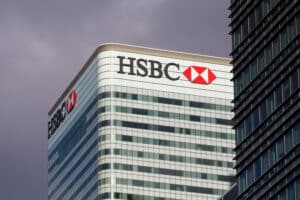
HSBC has been fined £6.2 million by the UK’s Financial Conduct Authority (FCA) for failing to properly support customers in arrears or experiencing financial difficulty.
The FCA highlighted that shortcomings in HSBC’s policies, procedures, and staff training led to “disproportionate action” against those behind on payments, exacerbating their financial troubles.
Between June 2017 and October 2018, HSBC did not adequately consider customers’ individual circumstances, resulting in improper affordability assessments when negotiating payment arrangements. The FCA noted that HSBC lacked sufficient measures to identify and address cases of unfair treatment.
Initially set at £8.97 million, the fine was reduced by 30% as HSBC agreed to settle and took corrective actions. The issues came to light in 2018 when HSBC itself identified the problems and reported them to the FCA.
HSBC invested £94 million in rectifying the issues and provided £185 million in redress payments to over 1.5 million affected customers. An HSBC UK spokesperson stated: “We’re sorry that between 2017 and 2018 some customers who fell into arrears did not receive the service they expected from us. We reported these issues to the FCA at the time and have fully remediated impacted customers. We have invested in our processes since these matters came to light and are pleased to have resolved these historic issues with the regulator.”
Therese Chambers, co-head of enforcement at the FCA, emphasized the importance of fair treatment for customers in financial difficulty: “People must be able to trust their lenders to treat them fairly when in financial difficulty. By failing to do so, HSBC put 1.5 million people at risk of greater financial harm. It deserves credit for identifying the issue and putting it right. The cost it has incurred in doing so, however, should be a warning to all lenders that they need to understand their customers’ circumstances so as not to make a bad situation worse.”
This penalty underscores the critical need for banks to implement robust systems to support customers facing financial hardships and to ensure that such issues are promptly and effectively addressed.
Read more:
HSBC Fined £6.2 Million for Mishandling Customers in Financial Difficulty
CMA Considers Capping Vet Prescription Fees Amid Sector Probe

The UK’s Competition and Markets Authority (CMA) is contemplating a cap on veterinary prescription fees as it delves into the sector to address concerns that pet owners are being overcharged for treatments.
The formal investigation by the CMA comes after it received 56,000 responses from pet owners, vets, and charities following a review initiated last year. The review aimed to gather insights on whether consumers were paying excessively for veterinary services and medications.
The CMA highlighted that pet owners often struggled to afford vet bills and were not always provided with clear treatment options or pricing information. The British Veterinary Association (BVA) has welcomed the review, labelling the regulation of the sector as “woefully out of date.”
The watchdog estimates that 16 million UK households have at least one pet. According to the Office for National Statistics, the cost of veterinary and other pet services has surged by around 50% since 2015, significantly outpacing overall inflation.
One of the major concerns raised by the CMA is the consolidation of the vet market, with more than half of UK vet practices now owned by just six large corporations: CVS, Independent Vetcare Ltd, Linnaeus, Medivet, Pets at Home, and VetPartners. This consolidation may reduce consumer choice, as these corporations often retain the branding of independently-owned practices they acquire, potentially creating an “illusion of competition.”
The CMA’s investigation will focus on several key areas:
– Whether consumers receive adequate information to make informed decisions.
– The impact of limited choice of vets in certain areas on pet owners.
– The profitability of vet businesses.
– Whether vet businesses have the incentive and ability to limit consumer choice when providing treatments or services.
– The need for regulatory changes in the market.
Possible interventions by the CMA could include enforcing transparency in pricing and treatment information, imposing maximum prescription fees, and even mandating the sale or break-up of large veterinary businesses.
Sarah Cardell, the CMA’s chief executive, stated, “We’ve heard from people who are struggling to pay vet bills, potentially overpaying for medicines and don’t always know the best treatment options available to them. The message from our vets work so far has been loud and clear – many pet owners and professionals have concerns that need further investigation.”
Malcolm Morley, the BVA’s senior vice president, expressed support for the inquiry, emphasizing that the BVA has long raised similar concerns. He noted that independent vet practices often face higher wholesale medicine prices than those available to consumers online, further complicating the pricing landscape.
The CMA’s findings and any resulting actions could significantly reshape the veterinary market, aiming to enhance transparency, affordability, and choice for pet owners across the UK.
Read more:
CMA Considers Capping Vet Prescription Fees Amid Sector Probe
University Joins £3m Campaign to Drive Midlands Economic Growth
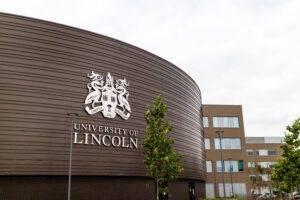
The University of Lincoln, UK, has joined a groundbreaking coalition of 17 universities, in support of a £3m international campaign which has been launched this week to drive economic growth in the Midlands.
Each year, the University contributes more than £400 million to the local economy and has forged sustainable, long-term relationships with a diverse range of organisations. These global connections will be leveraged to attract inward investment into R&D, innovation and science. This important work supports the University’s ambitions laid out in its Strategic Plan 2022-27 – of being a university which contributes significantly to the success of the region and beyond.
The campaign is led by Midlands Innovation and the Midlands Engine Partnership and hosted at Loughborough University, the Invest in UK University R&D – Midlands Campaign has been developed with a range of regional partners including the West Midlands Growth Company, Midlands Enterprise Universities and the East Midlands Freeport. It was launched at the UK Real Estate, Infrastructure and Investment Forum (UKREIIF), attended by nearly 13,000 investors, delegates and developers.
The university consortium will showcase five sectors in which the Midlands is world-renowned for the strength of its research and innovation. International alumni, industry and university connections in six markets (Australia, Germany, Japan, Singapore, South Korea and the USA) will be drawn upon to engage investors and raise the profile of the Midlands.
Vice Chancellor of the University of Lincoln, Professor Neal Juster, said: “The University of Lincoln is proud to be a member of this consortium whose aims align with, and further support, its commitment to driving economic growth and prosperity in the region and contributing significantly to the nation’s success through regional regeneration and international connectivity.
“This campaign will help to redefine how academia works in partnership with industry, and we look forward to showcasing what the University of Lincoln has to offer. From its R&D equipment and facilities spanning a range of key disciplines such as agri-food, engineering, and life science technologies, we have a wealth of opportunities for collaboration with.
“An example of this is the University’s sector-leading Lincoln Institute for Agri-food Technology, which was recently awarded the prestigious Queen’s Anniversary Prize for its work supporting the success and sustainability of the UK’s food and farming industries through innovations in research, education and technology.”
Minister of State for Science, Research and Innovation, Andrew Griffith MP, announced an award of £1.5 million from the UK’s International Science Partnerships Fund (ISPF) to support the campaign over the next two years, which has been matched by universities and regional partners. The Minister said: “The UK is home to world class research hubs and by bringing together the expertise and connections of universities, government and industry, we can bolster our efforts to win international investment into some of the Midlands’ strongest sectors.
“Our country’s universities have directly attracted around £4bn of foreign investment into their research since 2015. Today’s new campaign, supported by £1.5m from the Government’s International Science Partnership Fund, will help bring in more backing for the region’s excellent research.”
Aligning with the priorities of the new West and East Midlands Mayors and other local leaders, the campaign will help promote the region as an outstanding destination for global investment. It will support efforts from government and local growth agencies to secure game-changing funding for major regeneration projects across the region that have universities as a core partner.
The campaign will also work closely with Midlands Mindforge, an independent patient capital investment company, established by the eight research intensive universities in the Midlands Innovation partnership. Midlands Mindforge aims to deploy £250m to “invest with impact”, founding and scaling transformational science backed companies in sectors such as Clean Technologies, AI & Computational Science, Life Sciences & Health Tech. It will create highly skilled jobs in the Midlands and support the UK’s ambition to become a science and technology superpower.
The campaign is also being supported by UK Research and Innovation (UKRI), the Arts and Humanities Research Council (AHRC) and the UK’s Global Science and Innovation Network (SIN), which is jointly funded by the Department for Science, Innovation and Technology (DSIT) and the Foreign, Commonwealth and Development Office (FCDO).
Read more:
University Joins £3m Campaign to Drive Midlands Economic Growth

