

The sharp rise in fuel prices triggered by the global energy shock has reached what campaigners describe as a “critical point”, with mounting concern that small businesses and motorists are bearing the brunt of escalating costs.
According to campaign group FairFuelUK, more than a third of sole traders surveyed, including tradespeople such as plumbers, electricians and bricklayers, say current pump prices could push their businesses towards collapse unless action is taken to ease the burden.
The warning reflects the growing pressure on sectors that rely heavily on road transport, where rising diesel costs in particular are feeding directly into operating expenses and squeezing already tight margins.
The survey, based on responses from 3,678 sole traders, found that 36.4 per cent believe sustained high fuel prices could threaten their viability. For many, fuel represents one of the largest day-to-day costs, particularly in industries where travel between jobs is essential.
Campaigners argue that without intervention, higher fuel costs risk reducing profitability, limiting business activity and ultimately leading to job losses across key parts of the economy.
At the same time, a broader opinion poll cited by FairFuelUK suggests overwhelming support among motorists and small businesses for government action, including cuts to fuel duty and greater oversight of pump pricing.
Howard Cox, founder of FairFuelUK, has urged the government to maintain the current freeze on fuel duty for the duration of the Parliament and to consider further reductions to ease immediate pressure.
He also called for the removal of VAT on fuel duty, often described as a “tax on a tax”, and the introduction of a regulatory body to monitor fuel pricing and ensure transparency across the market.
The proposals come as fuel prices continue to rise in response to higher oil costs, with motorists already experiencing significant increases at the pump in recent weeks.
Campaigners have pointed to measures taken in other countries, including France, India and Italy, where governments have intervened to cap prices, reduce fuel taxes or support supply chains.
These comparisons have intensified the debate in the UK over whether similar steps should be taken to shield consumers and businesses from the impact of global energy volatility.
Chancellor Rachel Reeves has previously described rising fuel and energy costs as the result of “global turbulence”, emphasising the external nature of the pressures facing the UK economy.
However, critics argue that domestic policy choices, particularly around taxation, could play a more active role in mitigating the impact on households and businesses.
The issue is further complicated by broader fiscal constraints, with the government seeking to balance support measures against the need to maintain stable public finances and control inflation.
Economists warn that sustained high fuel costs could have ripple effects across the economy, increasing transport and logistics expenses, pushing up prices for goods and services, and weighing on consumer spending.
For small businesses, the impact is particularly acute, as they often lack the financial resilience to absorb cost increases or the pricing power to pass them on to customers.
The situation also raises concerns about inflation, as higher fuel costs feed into broader price pressures, potentially limiting the scope for interest rate cuts and prolonging the cost-of-living squeeze.
With global energy markets remaining volatile, the pressure on policymakers is likely to intensify in the coming months.
For campaigners, the message is clear: targeted intervention on fuel costs could provide immediate relief and support economic activity.
For the government, the challenge lies in balancing those demands with fiscal discipline and long-term energy policy objectives.
As fuel prices continue to rise, the debate over how best to respond is set to become an increasingly central issue for both businesses and policymakers alike.
Read more:
Fuel price crisis risks pushing small firms to brink as pressure mounts on chancellor
Category: Uncategorized
British Business Bank backs Dexory with £8.5m to scale AI warehouse t …

The British Business Bank has invested £8.5 million into Dexory, as part of a wider Series C funding round aimed at accelerating the company’s global expansion and strengthening the UK’s position in advanced logistics technology.
The round was led by Eurazeo, with participation from LTS Growth, Endeavor Catalyst and a strong syndicate of existing investors including Atomico, Lakestar and Elaia. The deal underscores growing investor confidence in AI-driven supply chain solutions at a time when global logistics networks are under increasing pressure.
Dexory has developed a full-stack platform that combines autonomous robotics with artificial intelligence to provide real-time visibility inside warehouses. Its robots continuously scan storage environments, collecting data that feeds into its digital twin platform, DexoryView.
This system allows companies to monitor inventory levels, detect inefficiencies and optimise warehouse space in near real time, a capability that is becoming increasingly critical as supply chains grow more complex and demand for speed and accuracy intensifies.
The platform is powered by a vast and continuously expanding dataset, built from more than a billion warehouse location scans, giving Dexory what investors describe as a significant competitive advantage in the market.
The company is already working with major global logistics and manufacturing players, including GXO, Maersk, DHL and Samsung, as well as clients across sectors such as pharmaceuticals, retail and e-commerce.
Since its previous funding round, Dexory has expanded its footprint across Europe, North America and Asia-Pacific, and established its North American headquarters in Nashville, signalling its ambition to become a global leader in warehouse automation and intelligence.
Leandros Kalisperas, chief investment officer at the British Business Bank, said the investment reflects a broader push to ensure high-growth UK technology companies have access to the capital needed to scale internationally.
“The UK consistently produces companies with market-leading technology, which need greater domestic backing to scale globally,” he said. “We are increasing the scale of our co-investing activity to support that growth.”
The investment forms part of the Bank’s wider strategy to deepen capital pools for UK innovation and support the development of globally competitive technology businesses.
Dexory’s proposition sits at the intersection of two major trends: the automation of physical operations and the increasing importance of data-driven decision-making.
By creating a digital twin of warehouse environments, the company enables businesses to move from reactive to predictive operations, identifying issues before they occur and improving efficiency across the supply chain.
George Mills, investment director at the British Business Bank, said the company’s proprietary dataset and AI capabilities position it strongly for future growth.
“They have a first mover advantage in technology that could significantly improve logistics and supply chains, which underpin global trade,” he said.
Chief executive Andrei Danescu said the new funding will be used to accelerate product development and expand the company’s reach into new markets and sectors.
“Our focus has always been on delivering tangible value through real-time visibility,” he said. “This investment enables us to advance our technology and support more organisations in building smarter, more resilient supply chains.”
As global trade becomes more complex and the cost of inefficiency rises, demand for real-time operational intelligence is expected to grow rapidly.
Dexory’s combination of robotics, AI and large-scale data positions it at the forefront of this shift, as companies seek to modernise infrastructure and improve resilience in an increasingly uncertain environment.
For the UK, the investment highlights the strategic importance of backing deep-tech companies capable of competing on a global stage, and the role of public-private partnerships in turning innovation into commercial success.
Read more:
British Business Bank backs Dexory with £8.5m to scale AI warehouse tech
Car finance redress bill cut by £2bn as VCA unveils final compensatio …

The UK’s financial watchdog has reduced the expected cost of compensating motorists caught up in the car finance mis-selling scandal by around £2 billion, as it unveiled its long-awaited final redress scheme, though the decision is unlikely to end the controversy.
Financial Conduct Authority said total compensation and administration costs will now amount to roughly £9.1 billion, down from earlier estimates of more than £11 billion. The revised figure includes £7.5 billion in direct payouts to consumers and £1.6 billion in operational costs for lenders.
The reduction has been achieved largely by tightening eligibility criteria. Around 12.1 million finance agreements signed between 2007 and 2024 will now fall within scope of the scheme, compared with 14.2 million under the regulator’s initial proposals last autumn.
Despite the lower overall bill, the FCA expects the average compensation payment to increase. Eligible consumers are projected to receive around £829 per agreement, up from an earlier estimate of approximately £700.
The regulator anticipates that around 75 per cent of eligible customers will make a claim, although this assumption could be tested depending on how straightforward the process proves in practice.
At the centre of the scandal are commission arrangements between lenders and car dealers that were not properly disclosed to borrowers, potentially inflating the cost of loans. The FCA banned certain types of commission structures in 2021, but growing complaints prompted a wider investigation launched in 2024.
While the scaled-back scheme offers some relief to lenders, the reaction across the industry has been mixed. Many firms had lobbied heavily for changes, arguing that the original proposals were disproportionate and inconsistent with a Supreme Court ruling last year that was broadly favourable to lenders.
Major institutions including Lloyds Banking Group, which has already set aside nearly £2 billion, and Close Brothers are still expected to face substantial financial impacts. Shares in Close Brothers fell following the announcement, reflecting investor concerns about its exposure.
There is also a growing expectation that the scheme could be challenged in the courts, either by lenders seeking to reduce liabilities further or by consumer groups arguing that compensation levels remain insufficient.
Nikhil Rathi urged the industry to support the scheme, arguing that a coordinated approach would deliver faster outcomes for consumers and help restore trust in the market.
“An industry-wide scheme is the most efficient way of compensating affected consumers while supporting the ongoing availability of competitively priced motor finance,” he said.
The FCA has opted to divide the redress programme into two parts, one covering agreements from 2007 to 2014 and another from 2014 to 2024. While this approach may help process claims more quickly, legal experts warn it could introduce additional complexity and confusion for consumers.
The split also reflects the regulator’s attempt to manage legal risk, particularly around older claims, which have been a major point of contention for lenders.
However, some analysts suggest this strategy may not prevent challenges. The gap between the FCA’s average payout estimate and higher figures suggested by claims firms, often closer to £1,500 per case, could encourage consumers to pursue compensation through the courts instead.
Even in its revised form, the scheme presents a major logistical and financial challenge for the industry. Lenders will need to identify affected customers across millions of historic agreements, calculate appropriate compensation and process claims efficiently.
Richard Pinch of consultancy Broadstone said the scheme would still place significant strain on firms, both in terms of cost and operational complexity.
“This is not just about the scale of compensation, but the difficulty of administering it across decades of lending,” he said.
Consumer advocates have criticised the final scheme as falling short of delivering full redress. Some argue that stricter eligibility criteria could exclude vulnerable borrowers or reduce compensation for those who were most affected.
Legal firms are already preparing to pursue claims outside the FCA’s framework, raising the prospect of prolonged litigation and continued uncertainty for both lenders and customers.
The finalisation of the redress scheme marks a pivotal moment for the UK motor finance sector, which is now confronting one of the largest compensation exercises since the PPI scandal.
For regulators, the challenge has been balancing fair outcomes for consumers with the need to avoid destabilising the financial system. For lenders, the focus shifts to managing the financial hit and rebuilding trust.
For consumers, the key question remains whether the scheme will deliver timely and meaningful compensation, or whether the battle over redress will continue in the courts for years to come.
Read more:
Car finance redress bill cut by £2bn as VCA unveils final compensation scheme
Petrol set to top £1.50 a litre as Iran war drives fuel price surge
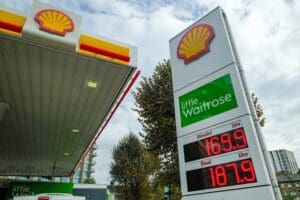
UK drivers are bracing for a sharp rise in fuel costs, with petrol prices expected to exceed £1.50 per litre for the first time in nearly two years as the fallout from the Middle East conflict continues to ripple through energy markets.
According to RAC, the average price of petrol has already climbed to 149.82p per litre and is likely to break through the 150p threshold imminently. Diesel prices have risen even more steeply, reaching an average of 176.66p per litre, an increase of more than 34p since strikes on Iran began.
The surge marks the highest diesel prices since the energy crisis triggered by Russia’s invasion of Ukraine in late 2022, underscoring the sensitivity of fuel markets to geopolitical shocks.
The primary driver of the increase is the sharp rise in global oil prices. Brent crude is currently trading at around $107 per barrel, having surged from roughly $70 a month ago and briefly approaching $120 earlier in June.
Simon Williams of the RAC said wholesale fuel data suggests further increases are likely in the short term, with petrol potentially reaching 152p per litre and diesel climbing towards 185p.
“While soaring costs at the pumps are putting a strain on drivers, as long as oil remains around $100, prices should begin to stabilise,” he said, though he cautioned that further volatility remains possible depending on developments in the conflict.
Fuel prices continue to vary significantly across the UK, with drivers in rural areas and at motorway service stations often paying the highest rates.
Petrol prices at motorway forecourts have already exceeded 171p per litre, while some locations are charging more than 190p for diesel, with a handful exceeding 200p. By contrast, drivers in certain parts of Lancashire are paying closer to 143p for petrol, highlighting a growing regional disparity.
The rise in fuel costs is expected to feed through into broader inflation, affecting transport costs, supply chains and the price of goods and services.
For households, higher petrol and diesel prices are an immediate hit to disposable income, particularly for those reliant on cars for commuting or living in areas with limited public transport.
Businesses, especially those in logistics and transport, are also facing increased operating costs, which may ultimately be passed on to consumers.
While drivers face rising costs, the government is set to benefit from increased tax receipts. Fuel prices in the UK are subject to 20% VAT, which is applied on top of fuel duty, effectively creating a “tax on a tax”.
The RAC Foundation estimates that UK motorists consumed nearly 47 billion litres of fuel last year. Based on pre-conflict prices, this would have generated around £13 billion in VAT revenue.
With petrol and diesel prices rising sharply, that figure is now expected to increase to approximately £15.5 billion, delivering an estimated £2.5 billion windfall to the Treasury.
The government has accused fuel retailers of profiteering from the price surge, although forecourt operators have rejected the claims, arguing that higher wholesale costs are being passed through to consumers.
The debate highlights ongoing tensions over fuel pricing transparency and the distribution of costs across the supply chain.
Much will depend on the trajectory of oil prices in the coming weeks. If geopolitical tensions ease and supply stabilises, prices could plateau or begin to fall. However, a prolonged disruption to global energy markets could push costs higher still.
For now, drivers face a renewed period of volatility at the pumps, a reminder of how quickly global events can translate into everyday economic pressures.
Read more:
Petrol set to top £1.50 a litre as Iran war drives fuel price surge
Dyson hit by £440m sales drop as Trump tariffs bite

Dyson has reported a £440 million drop in annual sales after being hit by US trade tariffs, although the group managed to increase profits through cost-cutting measures and operational efficiencies.
The company said revenues fell from £6.57 billion to £6.13 billion in 2025, marking a second consecutive year of decline following more than two decades of uninterrupted growth. The downturn was attributed to a combination of weaker consumer confidence in key markets, currency fluctuations and the impact of tariffs introduced under Donald Trump.
The US levies targeted imports from countries including Malaysia and the Philippines, where Dyson manufactures a significant proportion of its products. Tariffs initially reached as high as 24 per cent before being reduced, but still had a material impact on the company’s ability to compete on price in one of its most important markets.
Dyson responded by increasing prices in the US, citing broader global economic pressures, which in turn contributed to softer demand.
Chief executive Hanno Kirner described the tariffs as “particularly damaging”, noting that they had disrupted sales momentum at a time when consumer sentiment was already fragile across major economies including the US, Germany and China.
Despite the drop in sales, Dyson’s profitability improved significantly. Operating profits rose from £520 million to £600 million, while earnings before interest, tax, depreciation and amortisation (EBITDA) increased from £940 million to £1.1 billion.
The improvement was largely driven by a programme of cost reductions, including job cuts implemented in 2024, when the company reduced its UK workforce by around 1,000 roles.
The results underline Dyson’s ability to protect margins even in challenging trading conditions, reflecting a disciplined approach to cost management and pricing.
The company maintained a strong focus on product development, investing £400 million in research and development and launching a record number of new products during the year.
James Dyson said the business remains committed to innovation as a key differentiator in increasingly competitive markets.
Dyson has expanded beyond its core vacuum cleaner business into categories such as haircare, air purification and robotics, where it is competing with both established brands and lower-cost entrants.
The company is also integrating artificial intelligence into its product range, including new robotic cleaning systems capable of identifying and removing stains, as it seeks to maintain a technological edge.
Now headquartered in Singapore, Dyson continues to operate in more than 80 markets worldwide, with growth in the UK partially offsetting declines elsewhere.
Kirner said the company plans to broaden its product offering further, introducing devices at a wider range of price points to reach more consumers.
The results highlight the challenges facing global manufacturers in an increasingly fragmented trade environment, where tariffs and geopolitical tensions can have a direct impact on supply chains and pricing.
For Dyson, the combination of strong profitability and continued investment suggests resilience, but the decline in sales underscores the pressure on consumer demand and the risks associated with global trade disputes.
As the company navigates these headwinds, its ability to balance innovation, cost control and market expansion will be critical in determining whether it can return to sustained revenue growth.
Read more:
Dyson hit by £440m sales drop as Trump tariffs bite
Octopus Investments to cut 20% of staff as AI reshapes asset managemen …

Octopus Investments is set to cut around a fifth of its workforce as it accelerates the adoption of artificial intelligence, in a move that reflects the rapid transformation underway across the asset management industry.
The City-based firm, which manages close to £15 billion in assets, is understood to be placing around 130 roles at risk of redundancy, primarily in back-office functions. With just over 600 employees, the restructuring represents a significant shift in how the business operates, as it seeks to streamline processes and modernise its infrastructure.
The cuts form part of a broader strategy to invest more heavily in technology, particularly AI, which is increasingly being used to automate routine tasks, improve efficiency and reduce operational costs across financial services.
The move underscores how quickly AI is reshaping the financial sector, particularly in areas such as administration, compliance and reporting, where repetitive processes are well suited to automation.
Asset managers have been among the fastest adopters of the technology, using AI tools to handle data processing, client onboarding and portfolio analytics. As a result, roles that were once labour-intensive are being reduced or redefined.
Octopus Investments said the decision was necessary to ensure the business remains competitive in a rapidly changing environment.
“We’ve made the difficult but necessary decision to ensure we are a simpler business that can respond to the pace of change,” a spokesperson said, adding that affected employees would be supported in finding new roles both within the wider group and externally.
The restructuring is not an isolated case. Across the City and globally, financial institutions are reassessing their workforce structures as AI capabilities expand.
HSBC, for example, is reportedly considering up to 20,000 job cuts over the coming years, partly driven by the efficiency gains offered by AI.
The shift reflects a broader recalibration of the industry, where firms are balancing cost pressures with the need to invest in new technologies that can enhance performance and client service.
Despite the job cuts, Octopus Investments remains financially robust. The firm reported a 10.3 per cent increase in net profit to £76.7 million in 2024, with revenues rising to £225.7 million.
It is one of the most profitable divisions within the wider Octopus Group, which also includes businesses such as Octopus Energy and Octopus Money.
The decision to reduce headcount is therefore not driven by financial distress, but by a strategic effort to adapt to technological change and maintain long-term competitiveness.
The firm has faced some criticism in recent years over the fees charged on certain investment products.
Its flagship venture capital trust, Octopus Titan VCT, agreed to reduce management fees by 17 per cent last year, while the company has also earned substantial fees from managing private investment vehicles, even in periods where those funds reported losses.
These issues have added to the pressure on the business to demonstrate efficiency and value for investors, a factor that may also be influencing its push towards automation.
For employees, the restructuring highlights the growing impact of AI on white-collar roles, particularly in financial services.
While front-office and client-facing positions are less immediately affected, back-office functions are increasingly being automated, reducing the need for large operational teams.
At the same time, new roles are emerging in areas such as data science, AI development and digital strategy, suggesting a shift in the types of skills required across the industry.
As AI continues to evolve, asset managers are likely to face further pressure to adapt their business models, balancing efficiency gains with the need to retain expertise and maintain client trust.
For Octopus Investments, the current restructuring represents a significant step in that transition, one that reflects both the opportunities and challenges posed by technological change.
Across the City, similar moves are expected to follow, as firms seek to position themselves for a future where automation plays an increasingly central role in financial decision-making and operations.
Read more:
Octopus Investments to cut 20% of staff as AI reshapes asset management
North Sea jobs safeguarded as HMRC drops challenge to Petrofac rescue …

More than 2,000 North Sea jobs have been safeguarded after HM Revenue & Customs agreed not to pursue further legal action against a restructuring deal involving Petrofac, clearing the way for the sale of its UK business to US engineering firm CB&I.
The decision removes a major obstacle that had threatened to derail the transaction and push Petrofac’s North Sea operations into insolvency, with potentially severe consequences for workers, supply chains and energy infrastructure.
HMRC had been seeking to recover more than £150 million from Petrofac relating to a long-running tax dispute, and had argued that the proposed debt restructuring was unfair because it would leave the tax authority with just £3 million, while other creditors stood to recover a greater proportion of their claims.
However, Scotland’s Court of Session rejected HMRC’s challenge earlier this month, and the tax authority has now confirmed it will not appeal that ruling. The move effectively clears the path for completion of the rescue deal, which is contingent on significant debt write-offs across the group.
Petrofac had warned that without swift resolution, its UK asset solutions division, which employs around 2,250 people and operates approximately 20 North Sea platforms, was at risk of running out of cash and collapsing.
Such an outcome would likely have triggered emergency contingency measures to maintain offshore operations, potentially leading to a break-up of the business and significant job losses.
The company, once a FTSE 100 constituent, employs around 8,000 people globally and has been under sustained pressure in recent years, grappling with a combination of legal issues, project delays and financial strain.
The asset solutions division had continued trading after Petrofac entered administration in October, and a deal was agreed in December to sell the business to CB&I.
The transaction is seen as a viable route to preserve operations and employment, while providing a stable long-term owner for the business.
Petrofac said it is now focused on completing the sale “as soon as possible”, describing CB&I as “an excellent fit” that offers a positive outcome for both the company and its workforce.
In his judgment, Lord Sandison criticised HMRC’s handling of the case, highlighting delays in pursuing the tax claim, which dates back to alleged avoidance issues between 1999 and 2014, allegations Petrofac denies.
The judge noted that the liability was not formally assessed until 2020 and was not scheduled for tribunal determination until 2025, describing the pace of enforcement as “very leisurely”.
He concluded that HMRC’s position in 2026 was due “at least as much to its own inaction” as to the restructuring itself, suggesting the dispute could have been resolved much earlier.
The resolution of the case underscores the delicate balance between creditor rights and the need to preserve viable businesses and jobs in complex restructurings.
For the UK’s energy sector, the outcome is particularly significant. Petrofac’s North Sea operations play a critical role in maintaining offshore infrastructure, and disruption could have had wider implications for production and supply chains.
The case also highlights the challenges facing companies in the oil and gas services industry, which has been navigating a difficult period marked by regulatory scrutiny, shifting energy policies and financial pressures.
With the legal uncertainty now removed, attention will turn to finalising the sale and stabilising operations under new ownership.
For workers and stakeholders, the decision represents a reprieve after months of uncertainty. For Petrofac, it marks a crucial step in its restructuring process.
And for policymakers and regulators, the case serves as a reminder of the importance of timely intervention, and the potential consequences when disputes drag on in critical sectors of the economy.
Read more:
North Sea jobs safeguarded as HMRC drops challenge to Petrofac rescue deal
Co-op chief executive steps down amid culture concerns and cyberattack …

Co-op Group has confirmed that chief executive Shirine Khoury-Haq will step down, following mounting pressure over workplace culture concerns and a difficult year marked by losses and a damaging cyberattack.
Khoury-Haq, who has led the organisation since 2022 and spent seven years with the business, will be replaced on an interim basis by Kate Allum while the board begins the search for a permanent successor.
Her departure comes after reports of a “toxic culture” within senior leadership, alongside claims of falling morale, high-profile departures and operational challenges across the group.
The Co-op revealed that it swung to an underlying pre-tax loss of £126 million in its latest financial year, compared with a £45 million profit the previous year. Revenues also declined by 2.3 per cent to £11 billion, reflecting disruption to trading and changing consumer behaviour.
The group said the results were heavily shaped by its response to a major cyberattack, which forced it to restrict systems in an effort to contain the threat. While necessary, the measures had a significant commercial impact.
The company estimates the attack reduced revenues by £285 million and cut profitability by £107 million, including £86 million in lost margin and £21 million in additional costs.
The food division, the largest part of the business, was particularly affected, with sales falling 2 per cent to £7.25 billion. The disruption led to empty shelves in stores and altered shopping patterns, which continued to weigh on performance even after systems were restored.
Market share also slipped, falling to 5 per cent over a 12-week period, down from 5.3 per cent a year earlier, as the group lost ground to discounters and larger supermarket rivals.
Alongside the financial pressures, the organisation has faced scrutiny over its internal culture. A letter sent to board members, reportedly from senior staff, described an environment of “fear and alienation”, raising questions about leadership and decision-making at the top of the business.
The Co-op said it did not recognise those criticisms as representative of the wider organisation, emphasising its co-operative structure and commitment to inclusive decision-making. However, the reports have added to the challenges facing the group during a period of significant change.
Khoury-Haq said the timing of her departure reflects the next phase of the company’s transformation strategy.
“It has been an honour to lead our Co-op,” she said, adding that the business is now positioned to move forward with a programme of stabilisation and long-term reform that will extend beyond her planned tenure.
Her strategy had focused on rebuilding the group’s financial position, reducing debt and modernising its IT systems — issues that have been central to the Co-op’s operational challenges in recent years.
The company said she had overseen a significant turnaround between 2022 and 2024, including a 95 per cent reduction in debt and a 30 per cent increase in profits over that period, before the latest setbacks.
The Co-op, which employs around 54,000 people and operates more than 2,300 food stores and 800 funeral homes, continues to face intense competition across its core markets.
Discounters such as Aldi and Lidl have expanded aggressively, while established rivals including Tesco and Sainsbury’s have strengthened their positions, leaving the Co-op under pressure to differentiate its offering.
At the same time, the wider economic environment remains challenging, with inflation, shifting consumer behaviour and geopolitical uncertainty affecting demand.
Khoury-Haq acknowledged these headwinds, warning that “trading conditions remain difficult” and that external pressures are likely to persist.
The board now faces the task of appointing a new chief executive capable of navigating the next stage of the group’s recovery and transformation.
Group chair Debbie White thanked Khoury-Haq for her leadership during a turbulent period, particularly in guiding the organisation through the cyberattack and broader restructuring efforts.
For the Co-op, the leadership transition comes at a critical juncture. Restoring profitability, rebuilding trust internally and externally, and adapting to a rapidly evolving retail landscape will be central to its future.
As the organisation seeks to stabilise after a challenging year, the next phase of its strategy will be closely watched by both the market and its millions of members.
Read more:
Co-op chief executive steps down amid culture concerns and cyberattack fallout
UK faces looming shortage of EV mechanics as transition gathers pace

Britain is heading towards a significant shortage of mechanics trained to service electric vehicles, raising concerns that the country’s transition to cleaner transport could outpace the workforce needed to support it.
New analysis from the Institute of the Motor Industry suggests the UK could be short of 44,000 EV-qualified technicians by the time petrol and diesel car production is phased out, under current government targets.
While ministers have reaffirmed plans to ban the sale of new internal combustion engine vehicles by 2035, only around a quarter of the UK’s mechanics are currently trained to work on electric cars. The gap between policy ambition and workforce readiness is widening, particularly among smaller independent garages.
A key concern is the uneven distribution of EV expertise. A disproportionate number of qualified technicians are employed by larger national chains such as Kwik-Fit, which have the scale and resources to invest in training and benefit from servicing contracts with corporate EV fleets.
By contrast, many smaller, independent garages, which make up a large part of the UK’s automotive repair network, remain hesitant to invest in EV training. Owners cite a lack of local demand, high training costs and uncertainty over the pace of the transition.
In areas where electric vehicle adoption remains low, particularly outside major urban centres, garage operators say the business case for upskilling staff is not yet compelling.
For many workshop owners, the decision comes down to economics. Traditional repair work — such as servicing engines, clutches and fuel systems — remains a core revenue stream, yet these components are largely absent in electric vehicles.
EVs typically require less maintenance and fewer moving parts, reducing both the frequency and value of repair work. Even routine checks such as MoTs tend to involve less labour, further eroding potential income for independent garages.
This structural shift is creating uncertainty across the sector, with some operators concerned that investing in EV capability could fail to deliver sufficient returns in the short term.
The transition is also being shaped by regional disparities in EV uptake. In some parts of the UK, particularly rural areas, demand remains limited, reinforcing reluctance among smaller businesses to invest.
Consumers are already experiencing the consequences. In some cases, EV owners have been forced to travel long distances to access qualified repair services, as local garages lack the necessary expertise or equipment.
This highlights a growing disconnect between national policy and local infrastructure, both in terms of charging networks and servicing capacity.
Broader uncertainty around global EV policy is adding to the hesitation. Shifts in international markets, including changes to electric vehicle targets in the United States and Europe, have made some business owners wary of committing to long-term investment.
At the same time, the UK government has introduced measures such as expanded charging infrastructure and new road pricing proposals for EVs, but these have yet to fully translate into stronger consumer demand.
Despite these challenges, industry analysts believe the transition to electric vehicles is ultimately inevitable.
Even if policy timelines shift, manufacturers have already invested heavily in electrification, and EVs are expected to dominate new car sales within the next decade. Quentin Le Hetet of automotive analysts GiPA suggests that electric vehicles could outnumber petrol and diesel cars on UK roads by the mid-2030s.
However, the pace of that transition will depend heavily on whether supporting industries, including repair and maintenance, can keep up.
Experts warn that without targeted support, independent garages could be left behind, with larger operators and manufacturer-approved service centres capturing a growing share of the market.
Peter Wells, of the Centre for Automotive Industry Research, said the shift could fundamentally reshape the sector, with manufacturers increasingly controlling access to repair data and systems.
This trend raises concerns about competition, pricing and the long-term viability of smaller businesses that have traditionally formed the backbone of the UK’s automotive repair industry.
The Institute of the Motor Industry has called for increased funding to support training and workforce development, warning that without intervention, the skills gap could become a major bottleneck in the UK’s net zero ambitions.
For policymakers, the challenge is clear: ensuring that the transition to electric vehicles is not only technologically feasible, but also economically and operationally sustainable.
For the thousands of garages across the country, the message is equally stark; adapt to the electric future or risk being left behind as the automotive industry undergoes its most profound transformation in decades.
Read more:
UK faces looming shortage of EV mechanics as transition gathers pace

