

As the UK and EU come together with a new renewables and climate change strategy, exporters and importers will face new reporting requirements and tax levies, say leading tax and advisory firm Blick Rothenberg.
Simon Sutcliffe, a customs expert and Partner at the firm, said: “The two customs unions of the UK and EU are aligning them themselves closer and closer in terms of a climate plan. The detailed reporting requirements and taxing of companies who move these types of goods, although a worthy cause, will add to the administrative burden and cost for business and no doubt increase prices for consumers as these costs are passed on.”
He added: “New reporting requirements and taxes due to be set in motion in 2024 will see the UK and EU move closer to each other in their climate change and environmental levies targeting import and export companies which will mean them paying higher levies and possibly fines.”
Simon said: “The proposed UK Carbon Border Adjustment Mechanism (CBAM) is measure that will be in addition to the UK’s existing Plastic Packaging Tax (PPT) which already that taxes UK manufactured plastic packaging for goods and goods imported in plastic packing for sale in the UK marketplace.”
He added: “HMRC will begin the process of consultation in 2024 before implementation in 2027. CBAM will cover recording the importation of goods that have a carbon impact and will cover such items as iron. steel, aluminium, glass, ceramics, fertilizer, and electricity, with a view to taxing those carbon polluting industries by 2027.”
Simon said: “The EU already has EU CBAM and has plans for a similar UK style PPT tax plan called the ‘EU Plastic Levy’ but it’s scope and implementation is not currently aligned across all the EU states. The EU may formalise their Plastic Levy commitments in the coming years to align the UK and the EU further on environmental issues surrounding trade and supply chains of certain goods.”
He added: “UK Companies already struggle with administering the UK’s Plastic Packaging Tax (PPT) having sufficient access to the production processes further down their supply chain to be able to comply with the tax. The introduction of another levy requiring even more information will put further strain upon them.
“Now as the UK draws nearer to the EU on its renewables and climate change combatting methods by the adoption of a new reporting requirement and tax levies aimed at importers and exporters, businesses will have to understand and have access to their supply chains to meet the reporting requirements.”
Read more:
UK and EU climate change strategy will see new reporting procedures and rising consumer prices
Category: Uncategorized
BYD overtakes Tesla as world’s top electric vehicle manufacturer

China’s BYD has taken the lead over Tesla as the top electric car maker worldwide.
BYD, a Chinese automobile manufacturer, has surpassed Tesla, which is owned by Elon Musk, to become the number one seller of electric vehicles in the world.
Warren Buffett, the renowned American investor, has been a staunch supporter of BYD since 2008. It appears that the company will produce more cars than Tesla for the second year in a row.
BYD, Build Your Dreams, reported that 3.02m of its new energy vehicles were produced in 2023, surpassing Tesla’s 1.84m cars that were revealed on Tuesday.
BYD’s overall sales include 1.6 million battery-only vehicles and 1.4 million hybrids, putting Tesla in the lead when it comes to the production of just battery-powered autos.
In the final three months of 2019, BYD surpassed Tesla in purely electric vehicle sales; they sold 526,000 as opposed to Tesla’s 484,000.
BYD’s products are generally priced lower than Tesla, which obtains a fifth of its sales from China.
BYD and Nio, two Chinese electric car manufacturers, have been aiming to become major players in the international market, primarily Europe.
In December, Chinese auto maker BYD announced they would be constructing a new facility in Hungary. This is in conjunction with their current five models available for sale in Europe and the further three models they plan to launch this year.
In 2021, the firm stated that it would not be constructing its earliest European vehicle plant in Britain due to Brexit’s effects.
By 2030, the highest-selling electric car producer in China is striving to sell approximately 800,000 vehicles a year in Europe.
BYD declared that the United Kingdom was not among the top 10 possible sites for its first European car factory, as per a recent report in The Guardian.
Wang Chuanfu, a former professor from university, established the Hong Kong-listed BYD in 1995 and plans to become a major player in the international electric vehicle industry.
The development of technology in our modern world has been exponential, greatly surpassing our expectations. There has been a significant rise in the advancement of tech, far beyond what was predicted at the beginning of the 21st century. The speed of progress has been extraordinary, with more and more capabilities being added to the world of technology every day.
Read more:
BYD overtakes Tesla as world’s top electric vehicle manufacturer
HMRC introducing new side hustle tax targets Britons making money onli …

With the rise of the gig economy and the increasing number of individuals making money online, the UK government is introducing new measures to tackle tax evasion.
As part of these measures, popular online platforms such as eBay, Airbnb, and Etsy will now be required to report the income of their sellers directly to HM Revenue and Customs (HMRC). The move, dubbed the “Side Hustle Tax,” aims to ensure that individuals and businesses are paying the correct amount of tax on their online earnings.
The decision to implement these regulations comes as HMRC seeks to crack down on tax evasion and ensure a level playing field for all taxpayers. The rise in online marketplaces and the growing popularity of side hustles have made it easier for individuals to generate additional income outside of their primary employment.
By requiring platforms like eBay, Airbnb, and Etsy to report seller income directly to HMRC, the government aims to increase transparency and ensure that all taxable income is declared. This move will make it harder for individuals to evade their tax obligations and level the playing field for traditional businesses that have been subject to strict reporting requirements for years.
According to recent statistics, the number of individuals making money online has skyrocketed in recent years. The gig economy, which includes various types of freelance work and side hustles, has witnessed significant growth, with an estimated 4.7 million people in the UK now working in this sector. However, concerns have been raised that some individuals may not be accurately reporting their online earnings, resulting in lost tax revenue for the government.
The implementation of the Side Hustle Tax aims to address these concerns, ensuring that online sellers are paying their fair share of taxes. By requiring platforms to report income, HMRC will have access to accurate data about individual earnings, enabling them to identify potential tax evaders and take appropriate action.
While the new regulations may be seen as a positive step towards increasing tax compliance, some individuals and businesses are concerned about the potential impact. Small-scale sellers on platforms like eBay and Etsy, who may rely on their online income to supplement their primary earnings, may find the additional reporting requirements burdensome.
Experts suggest that the new regulations could result in increased costs for businesses, as they may need to invest in systems to automate the reporting process. Additionally, there are concerns that the Side Hustle Tax could discourage individuals from engaging in online entrepreneurship, stifling innovation and creativity in the digital economy.
However, supporters argue that the regulations will create a fairer tax system, ensuring that everyone pays their fair share. They believe that the increased transparency will help deter tax evasion and promote a more level playing field for all businesses, both online and offline.
In response to the new regulations, a spokesperson from eBay stated, “We are committed to ensuring that our sellers comply with tax regulations. We will work closely with HMRC to ensure a smooth implementation of the reporting requirements.”
It is worth noting that the Side Hustle Tax is not unique to the UK. Countries such as the United States and Australia have also implemented similar measures to address tax evasion in the digital economy.
As the gig economy continues to grow and more individuals turn to online platforms to generate income, it is crucial for governments to adapt their tax policies to keep pace with these changes. The Side Hustle Tax represents the UK government’s efforts to ensure that individuals and businesses are paying their fair share and contribute to the overall tax revenue.
While the new regulations may face some challenges and concerns, it is hoped that they will ultimately contribute to a fairer and more transparent tax system, benefiting both the government and the individuals and businesses involved in the online marketplace.
Read more:
HMRC introducing new side hustle tax targets Britons making money online
Companies like Amazon and Sony are hiring students in droves – Meet …

Joseph Black and Oliver Jacobs are the founders of tech firm UniTaskr which helps struggling students find flexible work and real-life experiences with some of the world’s leading companies including Amazon, Sony, Spotify, and Red Bull.
The company’s success has been built upon its technology platform and user app, which regularly tops the “Lifestyle & Business” category on Apple’s App Store, thanks to a workforce of over 300,000 verified students, offering services such as blogging, digital marketing, photography to over 20,000 client businesses.
Earlier this year, UniTaskr entered the US market where it has added thousands of members to its network, with anywhere up to 1,000 students joining every day. Such figures have enabled UniTaskr to surpass its projected targets for 2023, with an 80% increase in revenue and 30% expansion in its total user base, solidifying its reputation as the “go-to” provider of skilled freelance services.
Why are multinational companies like Amazon and Spotify so keen to utilise a student workforce?
JB – Multinational corporations like Amazon and Spotify value the student workforce for its inherent agility, fresh perspectives, and tech-savvy nature. Students bring a dynamic blend of innovative ideas, adaptability, and a pulse on evolving trends, making them an invaluable asset in industries seeking modern insights and nimble approaches. Their diverse skill and cutting-edge tech familiarity, align perfectly with the fast-paced, innovation-driven environments these companies operate within. Hiring students not only infuses new energy but also introduces a wealth of contemporary thinking and digital fluency, essential for driving forward-thinking strategies within these global entities.
Since founding UniTaskr how has your market changed and how have you adapted to it?
OJ – The market landscape has evolved drastically, witnessing a global surge in demand for youth based freelance talent. To adapt, UniTaskr focused on enhancing its technological platform, introducing innovative new tools like the ‘UGC Studio,’ and strategically targeting industry leaders. This journey involved continuous feedback-driven enhancements, scaling operations, and catering to the diverse needs of an expanding user base. By embracing these changes, UniTaskr positioned itself as a responsive and agile platform, effectively meeting the evolving demands and expectations of both freelancers and clients within the dynamic freelance ecosystem.
What factors influenced your decision to expand your business into the USA and what challenges did you have to overcome in the process?
OJ – The decision to expand into the USA was influenced by the country’s tech-friendly ecosystem, vast market potential, and innovative landscape. Challenges included navigating different regulatory frameworks, understanding diverse consumer behaviours, and establishing a brand foothold in an evolving market. Adapting our strategies to resonate with American audiences and comprehensively understanding regional nuances were crucial. Overcoming these obstacles involved meticulous market research, agile adaptation of our business model, and forming strategic partnerships to effectively establish UniTaskr’s presence within the US market.
How does the business environment in the USA align with your overall business strategy and goals?
JB – The business environment in the USA remarkably aligns with our overarching strategy at UniTaskr. The US offers an exciting opportunity due to its emphasis on innovation and robust entrepreneurial spirit. This alignment perfectly complements our global ambition of revolutionising youth based freelance work. The market’s receptiveness to innovative solutions and disruptive technologies resonates with our aim to continuously evolve and offer cutting-edge solutions. UniTaskr’s strategic goals of expansion and innovation align seamlessly with the USA’s business landscape, fostering an environment conducive to achieving our long-term objectives.
UniTaskr recently secured a million-pound investment. How will the business utilise it?
OJ – Our recent million-pound investment will be pivotal in steering our growth trajectory. The funds will primarily fuel several key areas within our business. We aim to allocate a significant portion to scaling our operations, expanding our user base, and enhancing our technological infrastructure. Additionally, we’ll invest in further research and development efforts to introduce new features, ensuring an enriched user experience. Strategic market penetration, particularly in vital regions like the US and UK, forms a crucial part of our investment strategy. Overall, these funds will be instrumental in driving UniTaskr’s innovation, market expansion, and sustained growth as a leading freelance platform.
What is the key in your mind to attracting and securing investment?
JB – In my view, the key to attracting and securing investment lies in several fundamental aspects. Firstly, having a compelling and clear vision for the business is paramount. Investors are drawn to innovative ideas with a strong value proposition and a well-defined market need. Additionally, demonstrating a robust and scalable business model, backed by concrete data and market validation, is crucial. Building and showcasing a passionate, skilled team capable of executing the vision effectively significantly boosts investor confidence. Furthermore, fostering transparent and open communication, coupled with a track record of consistent progress and adaptability to market dynamics, forms the bedrock of attracting and securing valuable investments.
What challenges did you and your partner have to overcome to secure funding?
JB – Securing funding presented several challenges. One major hurdle was proving our platform’s scalability and market viability, especially as a relatively young company. Convincing investors of UniTaskr’s potential amidst market uncertainties was challenging. Additionally, differentiating ourselves in a competitive landscape required showcasing our unique value proposition effectively. Overcoming these obstacles involved persistent efforts in presenting data-backed evidence, a compelling narrative of our growth trajectory, and demonstrating the platform’s value proposition clearly. Building trust and credibility with potential investors was an ongoing process that required consistent dedication and resilience from both myself and my partner.
How important is relationship building when it comes to securing funding? What advice can you give to our readers who are starting their fundraising journey?
OJ – Relationship building is integral to securing funding. Establishing genuine connections and fostering trust with potential investors is crucial. Building strong relationships requires open, transparent communication, showcasing progress, and aligning goals and values. Advice for those starting their fundraising journey: Focus on building long-term relationships. Clearly articulate your vision and demonstrate how investor support aligns with their interests. Leverage networking opportunities, attend industry events, and seek mentorship. Remember, it’s not just about securing funds; it’s about building partnerships that support your business’s growth and success.
Read more:
Companies like Amazon and Sony are hiring students in droves – Meet the UK tech entrepreneurs supplying them
British businesses ‘missing out on AI revolution’ finds new univer …

Businesses are failing to adopt new artificial intelligence technologies, research from the universities of Leeds, Sussex and Cambridge shows.
Despite the high profile of technologies such as generative AI, the proportion of British organisations saying that they have taken the plunge remains in the low double digits.
In a sample of 1,150 employers asked by researchers if they had invested in AI-enabled technology in the past 12 months, only 11 per cent said they had. Larger organisations, particularly those in the IT and public administration sectors, were more likely to have invested, with smaller businesses less so.
The findings build on the same study made in 2022, when 2,001 companies were questioned and 36 per cent said they had invested in AI-enabled technologies such as industrial robots, chatbots, smart assistants and cloud computing over the past five years.
Mark Stuart, pro dean for research and innovation at Leeds University Business School, which led the research, said there was no evidence yet of a technological revolution gripping British businesses. “If you ask people, they are experimenting individually, but if you ask them whether they are doing it strategically and embedding AI [in their companies], they are not,” he said.
Of the companies that had invested in AI, just under a third had spent money on generative AI services such as OpenAI’s ChatGPT. It means that only about 3 per cent of UK employers have invested strategically in generative AI, according to the researchers.
Most worrying for policymakers is the emergence of a digital divide between the minority of early adopters that say they are continuing to invest and the majority of companies that remain unconvinced of the merits of even beginning to do so.
Of the employers polled in 2023, 11 per cent of those that had not already invested in AI-enabled technologies were planning to invest in the next two years, up from 10 per cent of those interviewed in 2022.
The research also highlighted a continued gap in digital skills training, with 40 per cent of the companies reporting that they had provided such training in the past two years. Fewer than 10 per cent of the companies expected to invest in such training this year.
The Employers’ Digital Practices at Work survey was funded by the Economic and Social Research Council.
Read more:
British businesses ‘missing out on AI revolution’ finds new university backed research
Unlocking Success: The Vital Role of SEO for Local Businesses

The success of local businesses hinges on their ability to adapt and thrive in the online realm. As consumers increasingly turn to the internet to discover, evaluate and engage with local services and products, the significance of Search Engine Optimisation (SEO) cannot be overstated.
Today, we delve into why SEO is vital for local businesses, elucidating its transformative impact on visibility, credibility, and ultimately, the bottom line.
1. Enhanced Visibility and Discoverability
Imagine this scenario: a potential customer in your vicinity is searching for a product or service that your business offers. Without a robust SEO strategy, your business may be buried under a sea of competitors, making it difficult for this customer to find you.
SEO acts as a beacon, optimising your online presence to ensure that your business ranks higher in search engine results. This heightened visibility not only increases the likelihood of attracting local customers but also positions your business as a relevant and trustworthy option.
2. Geo-Targeting
One of the standout features of local SEO is its ability to target specific geographic areas. Local businesses thrive on their community, and SEO tools enable them to reach potential customers in their vicinity.
Through strategies like local keyword optimisation, Google My Business optimisation and local link building, businesses can tailor their online content to resonate with the needs and preferences of the local audience. This precision targeting ensures that your business shows up when local customers are actively searching for what you offer.
3. Building Trust and Credibility
Consumers are more likely to trust businesses that appear at the top of search engine results. The perception is that these businesses are reputable and reliable, as search engines are seen as unbiased third-party entities.
By implementing SEO best practices, local businesses not only improve their rankings but also build a solid foundation of trust and credibility in the eyes of potential customers. Therefore, it’s worth exploring affordable SEO services in the UK.
Agencies that offer these services can help businesses obtain positive online reviews, input accurate business information and optimised websites. As a result, businesses can achieve a positive digital reputation, reinforcing the credibility of their local business.
4. Mobile Optimisation
With the prevalence of smartphones, a significant portion of local searches is conducted on mobile devices. SEO is crucial for ensuring that your business website is optimised for mobile users.
Mobile-friendly websites not only improve user experience but also align with search engine algorithms, which prioritise mobile responsiveness. By catering to the growing number of mobile users, local businesses can tap into a vast market of consumers who rely on their smartphones to find products and services in their local area.
5. Cost-Effective Marketing
Traditional advertising methods can be costly, especially for small and local businesses with limited budgets. SEO, on the other hand, offers a cost-effective and sustainable marketing strategy.
By investing in optimising your online presence, you are essentially making a long-term investment in the visibility and success of your local business. Compared to traditional advertising channels, SEO provides a higher return on investment over time, making it an invaluable asset for local businesses looking to thrive in the digital age.
To Finish Up
The importance of SEO for local businesses cannot be overstressed. In a world where the internet is the go-to resource for consumers seeking local products and services, an effective SEO strategy is the key to unlocking visibility, credibility and success.
By embracing the power of SEO, local businesses can position themselves as the preferred choice in their community, ensuring sustainable growth and a thriving customer base.
Read more:
Unlocking Success: The Vital Role of SEO for Local Businesses
FTSE 100 ends year up 3.8% but trails rival markets in Europe and US
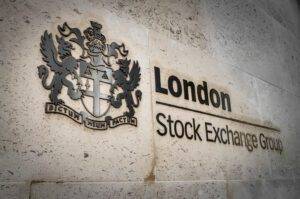
The London Stock Exchange has ended the year trailing rival markets in Europe and the US, as a stagnating economy and a volatile political climate deterred investment and cast a shadow over the nation’s economic prospects.
The FTSE 100 index of blue-chip companies reached 7,733 points on Friday, the final trading day of the year. While a late rally helped the index to its highest closing level since late May, it has gained just under 4% since January, compared with a global average of 20%, as measured by the MSCI All Country World Index.
As in previous years, the FTSE 100’s lack of technology companies left it floundering against Wall Street, where the S&P 500 index has jumped by 25% this year to the brink of a record high.
The Nasdaq Composite index has risen by 45% this year, lifted by a boom in big tech stocks such as the chipmaker Nvidia, whose shares have soared by 240% as the boom in artificial intelligence drove demand for its high-end semiconductors.
Germany’s DAX index rallied by 20%, while France’s CAC gained 16.75% and Italy’s FTSE MIB surged almost 30%, as European markets recovered from losses in 2022.
The pan-European Stoxx 600, which tracks the largest companies across European markets, gained more than 12%.
Susannah Streeter, the head of money and markets at Hargreaves Lansdown, described the FTSE 100’s 3.8% rise this year as “paltry” when compared with its international peers.
“Britain’s blue-chip index still appears unloved with attention grabbed by the bright lights of Wall Street and the tech-heavy makeup of New York’s exchanges, with a frenzy for all things AI fuelling buying behaviour,” Streeter said.
“Even though the Brexit hangover has eased, the UK’s stagnating economy and volatile political scene of recent years appears to be putting off investors,” she added.
The year started brightly for the FTSE 100. It broke through the 8,000 points mark for the first time, hitting a record high of 8,047 points in mid-February. But trading through the rest of the year was choppy, as concerns over the UK’s weak growth and rising interest rates weighed on stocks.
The smaller FTSE 250 index of medium-sized companies had a slightly better year, gaining about 4.5%.
Rolls-Royce was the top riser on the FTSE 100 this year. The engineering company gained 220% as traders welcomed the turnaround plan being implemented by the new chief executive, Tufan Erginbilgiç.
Rolls’s strength helped the UK’s aerospace and defence sector to rise by more than 67% in 2023, also aided by a 30% jump in shares in the weapons maker BAE Systems, while the aerospace manufacturer Melrose’s share price doubled this year.
At the other end of the leaderboard, the mining company Anglo American fell by 39% this year, a dire performance that raised speculation it could become a takeover target. In December, Anglo cut its production outlook, after problems with iron ore and copper mining.
Shares in the wealth manager St James’s Place lost 37%, in a year in which regulators pressed it to revamp its fee structure to reduce overall charges for existing investments.
Not every international stock market rallied this year. China’s CSI 300 index fell by more than 11% in 2023, as weak economic growth, a liquidity crisis in the property sector and geopolitical tensions all weighed on shares.
The pound has enjoyed its best year against the US dollar since 2017, gaining 5% as it climbed from $1.21 in January to $1.27 at the end of December.
But that rally was partly down to the dollar’s weakness; the greenback lost about 2% against a basket of currencies. Traders anticipate several cuts to US interest rates in 2024, as the Federal Reserve tries to achieve a “soft landing” – lowering inflation without causing a recession.
Read more:
FTSE 100 ends year up 3.8% but trails rival markets in Europe and US
Post Office Horizon inquiry: ‘enough evidence for police investigati …

A public inquiry into the Horizon IT scandal at the Post Office has produced enough evidence for police to investigate senior staff, according to lawyers for postmasters who were wrongly convicted of crimes including theft and fraud.
Hundreds of people who owned and operated post offices were wrongfully investigated, prosecuted and convicted between 1999 and 2015 because of bugs in a computer system called Horizon.
During the current public inquiry into the scandal, widely considered one of the gravest miscarriages of justice in British history, postmasters have claimed that senior Post Office staff either knew about the system’s failings or “shut their eyes” to them.
Paul Marshall, a barrister who is representing post office operators in their continuing fight for compensation, said he believed that enough evidence had emerged for police to consider prosecuting former Post Office executives.
“On the face of it, the material is sufficient for the police to investigate whether, over a substantial period of time, the Post Office was engaged in perverting the course of justice or a conspiracy to pervert the courses of justice,” he told the Guardian.
“In my view, the Post Office was engaged in a sustained attack on the rule of law itself.”
Lawyers for the post office owner-managers reportedly want Sir Wyn Williams, chairman of the public inquiry into the scandal, to pass files to the director of public prosecutions once the inquiry is completed next year.
Janet Skinner, a branch operator who was wrongly jailed for nine months, told the Times that collating evidence that may form the basis for an investigation into former senior Post Office staff was a focus for her legal team.
During the course of the statutory inquiry, evidence has emerged indicating that Post Office investigators responsible for looking into allegations against branch operators did not believe that they had stolen anything.
Last week, Post Office accounts revealed that the company has almost halved the amount it has set aside for payments to branch managers wrongly convicted in the scandal, from £487m to £244m, as fewer than expected have won or brought appeals.
The Post Office said: “We fully share the aims of the current public inquiry, set up to independently establish what went wrong in the past and accountability.
“We’re acutely aware of the human cost of the scandal and we’re doing all we can to right the wrongs of the past as far as that is possible. Both Post Office and government are committed to providing full, fair and final compensation for victims.”
Read more:
Post Office Horizon inquiry: ‘enough evidence for police investigation’
House prices fall nearly 2% over year

House prices fell 1.8 per cent over the course of 2023, and are unlikely to rebound next year according to Nationwide.
The decline since last December leaves the average price almost 4.5 per cent below the all-time high recorded in late summer 2022. Nationwide predicts that they will likely remain flat or record a fall of up to 2 per cent in the year ahead.
Robert Gardner, the building society’s chief economist, said: “Housing market activity was weak throughout 2023. The total number of transactions has been running at around 10 per cent below pre-pandemic levels over the past six months, with those involving a mortgage down even more (around 20 per cent), reflecting the impact of higher borrowing costs. On the flip side, the volume of cash transactions has continued to run above pre-Covid levels.
“Even though house prices are modestly lower and incomes have been rising strongly, at least in cash terms, this hasn’t been enough to offset the impact of higher mortgage rates, which in recent months were still more than three times the record lows prevailing in 2021 in the wake of the pandemic.”
Gardner said high mortgage rates were stretching affordability while, at the same time, “deposit requirements remain prohibitively high for many of those wanting to buy”.
He added: “If the economy remains sluggish and mortgage rates moderate only gradually, as we expect, house prices are likely to record another small decline or remain broadly flat (perhaps 0 to -2 per cent) over the course of 2024.”
Gardner expects affordability to improve over time thanks to income growth and lower mortgage rates. Yet activity is expected to remain “fairly subdued in the interim”.
Prices in December were broadly flat compared with November, with the average UK home now costing £257,443. Northern Ireland and Scotland have been the only parts of the UK to see prices rise in 2023. East Anglia was the weakest performing region with prices down 5.2 per cent over the year.
Across England overall, prices were down 2.9 per cent compared with the final quarter of 2022, while in Wales there was a 1.9 per cent decline.
Across northern England, which comprises North, North West, Yorkshire & The Humber, East Midlands and West Midlands, prices were down 1.8 per cent year on year. Yorkshire & The Humber was the best performing northern region with an annual rate of change of -0.5 per cent.
Southern England — the South West, Outer South East, Outer Metropolitan, London and East Anglia — saw a 3.4 per cent year-on-year fall. London was once again the best performing southern region, registering a smaller annual decline of 2.4 per cent.
Throughout this year there were signs that more buyers were looking towards smaller, less expensive properties, with transaction volumes for flats holding up better than other property types. This may be because affordability for flats has held up relatively better as they experienced less of a price increase over the pandemic period, Nationwide said.
“However, in our most recent data, we have seen a convergence in the annual rate of price growth for different property types,” Gardner said. “During 2023, the price of semi-detached properties held up best, recording a 1.8 per cent year-on-year fall. Meanwhile, flats and terraced houses both saw a 2.1 per cent annual decline, while detached properties were the weakest performing with prices down 2.7 per cent over the year.”
Read more:
House prices fall nearly 2% over year

