

As the Ultra Low Emission Zone (ULEZ) expansion in London looms closer, there has been a surge in demand for the mayor’s vehicle scrappage scheme.
Londoners are eager to trade in their older cars and take advantage of the £2,000 grant offered by the scheme to purchase a vehicle that is exempt from the £12.50-a-day charge.
However, while the scheme aims to reduce pollution and improve air quality, there are concerns about the waste culture it promotes.
Classic car experts warn that thousands of perfectly good vehicles, some of which could be future collectibles, will be stripped from the roads. We explore the implications of the ULEZ expansion and the scrappage scheme on the classic car market and the environment.
The ULEZ Expansion and its Consequences
On August 29, the ULEZ will be expanded to cover the entire Greater London area, encompassing all 32 boroughs. This expansion means that only diesel cars meeting the latest Euro6 emission standard (typically those manufactured after 2015) and petrol models adhering to Euro4 (produced after 2006) will be allowed to drive in the zone without incurring charges. Non-compliant vehicle owners will face a daily fee of £12.50, which could amount to over £4,500 per year for those who drive regularly in the capital.
The mayor’s office estimates that approximately 200,000 owners of older cars in London will be affected by the expansion. However, a recent Freedom of Information request by the RAC revealed that the actual number is closer to 700,000 drivers. This discrepancy highlights the significant impact the ULEZ expansion will have on London’s motorists.
The Vehicle Scrappage Scheme
To mitigate the financial burden on non-compliant vehicle owners, Mayor Sadiq Khan has allocated £160 million to the vehicle scrappage scheme. This additional funding aims to make the scheme accessible to all Londoners with non-compliant cars, regardless of their eligibility for benefits. The scheme offers grants of up to £2,000 to those who live within the ULEZ boundary and choose to scrap their non-compliant vehicle.
The scrappage scheme also provides alternative payment options, such as receiving a lower grant amount in exchange for an annual bus and tram pass. Additionally, there are higher grants available for scrapping wheelchair accessible vehicles or retrofitting them to meet emission standards.
Increased Demand for Vehicle Scrapping
The impending ULEZ expansion has led to a significant increase in demand for vehicle scrapping. According to data from Scrap Car Comparison, there has been a 105.5% annual growth in traffic on their site from London users. This growth far surpasses the 67% increase observed in the rest of the country. During the months of May, June, and July, scrappage quotes in Greater London rose by 53%, compared to a 46% increase in the rest of the UK.
David Kottaun, the operations manager at Scrap Car Comparison, attributes this surge in demand to the ULEZ expansion. He explains that many drivers’ vehicles will become non-compliant, making them too expensive to run. As a result, scrapping the vehicle becomes the most sensible option for these owners.
Scrappage Schemes and the Waste Culture Debate
While scrappage schemes offer a solution for reducing emissions and encouraging the use of cleaner vehicles, they also raise concerns about promoting a waste culture. Opponents argue that these schemes result in the destruction of perfectly good and reliable vehicles, which could have significant value in the future, particularly in the classic car market.
When a vehicle is scrapped, it undergoes a process at an Authorized Treatment Facility. Here, hazardous materials and salvageable parts are removed before the vehicle is crushed. Materials like batteries, tyres, catalytic converters, and fluids are disposed of separately to prevent pollution and maximise recycling. Experts estimate that only about 5% of the vehicle is wasted during this process.
However, critics argue that destroying vehicles with several years of life remaining is a waste of resources and has unnecessary environmental consequences. They also highlight the impact on low-income families who rely on affordable vehicles. During the 2009 scrappage scheme, which aimed to boost the new car sector during the financial crisis, many classic, exotic, and rare vehicles were consigned to the scrap heap.
The Potential Impact on the Classic Car Market
The classic car sector is particularly concerned about the impact of scrappage schemes on the availability of collectible and modern-classic vehicles. The ULEZ expansion will render non-compliant petrol models manufactured before 2006 and diesel vehicles produced before 2015 eligible for scrappage. This could lead to the elimination of many modern-classic cars from existence.
Analysis of the 2009 Government-funded scrappage scheme revealed the destruction of several valuable classic cars, including Alpina B7, BMW M5 and 850i, Porsche 928s, and an original Audi Quattro. These vehicles, which are now highly sought after, would have been preserved if not for the scrappage scheme. The scrapping of 31 Peugeot 205 GTIs, 14 Subaru Impreza Turbos, and numerous Series Land Rovers, Morris Minors, classic Minis, original VW Beetles, Citroen 2CVs, and MGs also caused dismay among enthusiasts.
Tom Wood, CEO of Car & Classic, argues that scrappage schemes fail to consider the bigger picture. He believes that preserving classic vehicles is essential for maintaining our history, heritage, and individuality. Wood suggests that rather than scrapping non-compliant vehicles, there should be a greater focus on repairing and converting them to electric vehicles (EVs) to extend their lifespan and reduce environmental impact.
Expert Opinions on Scrappage Schemes
Renowned figures in the motoring industry have expressed their concerns about scrappage schemes. Tim Shaw, host of the National Geographic show Car SOS, criticizes the destruction of perfectly good cars under the guise of greenwashing. He argues that it would be more sensible to repair these vehicles, offsetting the carbon emissions from manufacturing new components against the longer lifecycle of existing cars.
Fuzz Townshend, co-host of Car SOS, dismisses scrappage schemes as short-sighted throwaway society nonsense. He compares cars to underpants, suggesting that they should be used until they are no longer functional. Townshend highlights the potential for unnecessary purchases of new electric cars through scrappage schemes and predicts a future claims industry campaign targeting those who participated in such schemes.
Mike Brewer, host of the TV show Wheeler Dealers, shares his regret over the first scrappage scheme, recalling the scrapping of valuable classic cars that could have been saved. He emphasizes the emotional connections and cultural references associated with classic cars and argues for their preservation.
Conclusion
The ULEZ expansion in London has sparked a surge in demand for the vehicle scrappage scheme as non-compliant vehicle owners seek alternatives to avoid daily charges. While scrappage schemes offer a solution to reduce emissions and improve air quality, they also raise concerns about promoting a waste culture.
The classic car sector is particularly alarmed by the potential loss of valuable and collectible vehicles. Experts argue for a more comprehensive approach that considers repairing and converting existing vehicles rather than scrapping them.
As London prepares for the ULEZ expansion, the impact on the classic car market and the environment remains a topic of debate and concern.
Read more:
The Impact of the ULEZ Expansion on London’s Vehicle Scrappage Scheme
Category: Uncategorized
Artificial Intelligence: A Revolution on Par with the Industrial Revol …

Oliver Dowden, the deputy prime minister, has highlighted the potential of AI to enhance productivity and streamline mundane tasks.
However, he also warns of the risks associated with AI, including the potential for hackers to exploit sensitive government information. We explore the far-reaching implications of AI and how it could shape various aspects of society.
The AI Revolution: A Total Transformation
Oliver Dowden posits that AI is a revolution unlike any other witnessed before. Its rapid advancement promises to revolutionize nearly every facet of life in the coming years, and in some cases, even months. Dowden draws parallels to historical milestones such as the invention of the internal combustion engine and the Industrial Revolution, emphasizing that the impact of AI will surpass these previous revolutions in terms of both speed and scope.
AI has already begun to play a pivotal role in decision-making within the government. For instance, the Home Office employs AI to process asylum claims, resulting in faster and more efficient processing times. Furthermore, AI has the potential to streamline administrative tasks, such as reducing paperwork that burdens ministers. By analyzing vast datasets from various sources, AI enables decision-makers to make informed choices. However, Dowden is quick to assert that AI will not replace human decision-making but rather augment it.
The Dark Side of AI: Risks and Challenges
While the potential benefits of AI are immense, Dowden acknowledges the associated risks. AI can be weaponized by malicious actors, such as terrorists, to gain access to sensitive information and propagate cyberattacks. Recent incidents, including the breach of data at the Electoral Commission and the Police Service of Northern Ireland, highlight the vulnerabilities AI can exploit. Dowden cautions that the combination of disaffected individuals and AI amplifies the potential harm they can cause. It is imperative to address these risks and safeguard against the misuse of AI.
Restructuring the Economy: Adapting to the AI Era
The growth of AI will inevitably lead to significant changes in the economy. Dowden emphasises the government’s commitment to ensuring that humans are not penalized by this transition. Drawing a parallel to the advent of the automobile, Dowden points out that AI has the potential to automate mundane aspects of jobs, allowing humans to focus on more interesting and creative tasks. The government’s role is to facilitate this transition and ensure that individuals have the necessary support and opportunities to adapt.
AI and the Labour Market
Dowden acknowledges that the current labour market is already tight, and it is crucial for the government to facilitate a smooth transition. As AI takes on repetitive and monotonous tasks, there will be a need for reskilling and upskilling the workforce to remain relevant in the changing job landscape. The government should provide resources and training programs to facilitate this transition, ensuring that individuals are equipped with the skills needed for the AI age. By doing so, the government can mitigate any potential negative impact on employment.
Ethical Considerations: Striking a Balance
As AI becomes increasingly prevalent, ethical considerations must be at the forefront of its development and deployment. Dowden highlights the importance of basing decisions on evidence and avoiding overstatement when addressing the risks associated with AI. It is crucial to strike a balance between harnessing the potential of AI and safeguarding against its potential misuse. Robust regulations and oversight mechanisms should be put in place to ensure that AI is used responsibly and ethically.
AI and the Future of Work
While there are concerns about job displacement due to AI, Dowden believes that AI will ultimately enhance productivity and create new opportunities. By automating repetitive tasks, AI can free up human workers to focus on more complex and creative aspects of their jobs. This shift in job roles can lead to increased job satisfaction and productivity. However, it is essential to ensure that individuals have the necessary skills to adapt to these changes and take advantage of the opportunities presented by AI.
AI and Decision-Making
AI has the potential to revolutionize decision-making processes in various domains. By analyzing vast amounts of data, AI can provide valuable insights and support faster and more informed decision-making. However, Dowden emphasizes that AI should not replace human decision-makers entirely. Instead, AI should serve as a tool to augment human decision-making processes, enabling more efficient and effective outcomes.
Mitigating the Risks: Addressing AI’s Dark Side
To mitigate the risks associated with AI, Dowden stresses the importance of addressing the vulnerabilities that AI can exploit. This includes investing in robust cybersecurity measures to protect sensitive information from hackers and ensuring that AI systems are designed with security in mind. Additionally, fostering a culture of responsible AI use and educating the public about potential risks can help mitigate the misuse of AI technology.
Artificial intelligence is poised to bring about a revolution on par with the Industrial Revolution, transforming various aspects of society.
While the potential benefits are vast, it is crucial to address the risks and challenges associated with AI. By striking a balance between harnessing its potential and safeguarding against misuse, AI can drive innovation, enhance productivity, and create new opportunities.
The government’s role is to ensure that individuals are prepared for the changes brought about by AI and that appropriate safeguards are in place to protect against potential risks. By embracing AI responsibly, Britain can navigate the AI era and reap its many benefits.
Read more:
Artificial Intelligence: A Revolution on Par with the Industrial Revolution
English Wine Producers Anticipate Bumper Harvests Following July Rainf …

The recent rainfall in July may have been unwelcome to some, but it has come at the perfect time for wine producers in England.
Thanks to the ideal weather conditions this year, growers are now predicting bumper harvests, which will undoubtedly boost the flourishing wine industry in the UK. With the number of vineyards across Great Britain reaching an impressive 943, as reported by WineGB, the trade group for the industry, the future looks promising for English wines. In 2022, the industry produced 12.2 million bottles, a significant increase from the 5.3 million bottles in 2017.
A Growing Industry
The English wine industry is experiencing remarkable growth, with exports rising from 4% to 7%, and production predicted to reach 25 million bottles by 2032. This growth is supported by the expansion of vineyard acreage, with 7,600 hectares (18,800 acres) of vines projected to be planted, compared to the current 4,000 hectares (9,900 acres).
Perfect Weather Conditions
The anticipation of a successful harvest is due to the perfect weather conditions experienced by vineyards. Augusta Raimes, a partner at Raimes English Sparkling in Hampshire, reminisces about the phenomenal year of 2018, which set high expectations for this year. Raimes credits the success to a favourable spring, where the frost arrived at the right time, and June’s abundant sunshine. Just as dry conditions were settling in, the much-needed rain arrived, ensuring the vines’ well-being. Raimes now hopes for a sunny August and September to further enhance the quality of the harvest, set to take place in October.
Increased Yield and Quality
The positive weather conditions have resulted in vineyards expecting a larger harvest this year. Early indications reveal more substantial and more abundant bunches of grapes, a promising sign for growers like Raimes. The chief executive and head winemaker at Sandridge Barton Wines, Duncan Schwab, echoes this sentiment, attributing this year’s success to the excellent reserves and flowers developed by the vines in the previous year. Schwab states that their 25-acre vineyard usually yields around 60 tonnes of grapes, but this year, that number could rise to 100 tonnes. The berries are showing pigmentation earlier than ever before, indicating a potentially exceptional vintage.
Disease Prevention
While the rain has been beneficial for vine growth, there is also a concern about disease levels rising due to increased humidity. To prevent this, vineyard owners must ensure good airflow through the canopy, often achieved by selectively removing some leaves. Schwab highlights the advantage of their vineyard’s location on the banks of the River Dart in Devon, where warm air rises and frost is less likely. The presence of a significant body of water helps maintain a temperate climate in the vineyard, reducing the risk of frost and creating a conducive environment for grape cultivation1.
The Ideal Summer for Wine Growing
Schwab describes this year as not far off from the ideal summer for wine growing. He explains that the previous year’s high temperatures, reaching 35°C, were not favourable for lighter, cool-climate grapes. However, this year’s conditions have been exceptional for all types of wine production.
Read more:
English Wine Producers Anticipate Bumper Harvests Following July Rainfall
10 Behind-the-Scenes Secrets of The Apprentice Revealed

Since its inception 18 years ago, The Apprentice has captivated the nation, with millions of viewers eagerly tuning in to see which contestants Lord Sugar will fire and ultimately hire.
The reality TV show follows aspiring entrepreneurs as they compete in a series of tasks to impress Lord Sugar. However, there are many behind-the-scenes secrets that viewers may not be aware of. Here we’ll delve into 10 revelations shared by Thomas Skinner, a contestant from Series 15 of The Apprentice, shedding light on what really happens when the cameras stop rolling and what Lord Sugar is truly like.
1. Lengthy Filming Process
While viewers see a condensed version of the tasks in the hour-long episodes, the reality is that each 45-minute task takes three full days to film. Despite the series spanning 12 weeks, the actual filming is completed in less than two months. This means the candidates have little downtime or days off, as tasks are filmed back-to-back.
2. Producer Involvement in Negotiations
During selling tasks that involve interacting with the public, producers play a significant role in overseeing the negotiations. Contrary to what may appear, where contestants seem to enter random shops and approach potential customers independently, Thomas revealed that producers have already provided guidance. They instruct the candidates to make it challenging for customers to buy or to purposefully adopt an unpleasant attitude.
“They tell them to make it really hard to buy or to be a p***k on purpose!” – Thomas Skinner
3. Filming Matters: If It’s Not on Camera, It Doesn’t Count
Any sales or interactions that are not captured on film do not count towards the tasks. This means that all sales must wait until the cameras are rolling. To preserve the element of surprise and maintain the suspense, contestants are also prohibited from discussing the task when they return to the house. This ensures that the exciting conversations and outcomes are reserved for the viewers.
4. Hypothetical Products and Charitable Profits
Although contestants spend hours brainstorming and creating products to pitch to clients, the finished products are never actually made. Any items sold to big businesses during pitches are purely hypothetical, designed to demonstrate the potential success of the idea in real life. However, when real items are sold to the public, such as food and experiences, any profit made is not given to the contestants or Lord Sugar. Instead, it is donated to charity.
5. Filming the “Fired” Scene
When a contestant is “fired” from the show, the scene where they are seen wheeling their case out of the office and stepping into a black cab to share their parting words is actually filmed before the firing process even begins. This means that the walking-out scenes are shot in advance, and contestants only film their final words afterwards. Additionally, they are bundled up in coats and scarves during these scenes because they will be wearing a different outfit on the week they are eliminated.
“When you’re fired, you’re put in a green room for a bit and then you get in a car and film your last words on the way back to a hotel.” – Thomas Skinner
6. Lord Sugar’s Genuine Interest
On some occasions, Lord Sugar may ask a fired contestant to “keep in touch” and update him with their business achievements. While this may seem like a polite but empty gesture, Thomas revealed that Lord Sugar genuinely follows through on his request. He even shared that he has Lord Sugar’s phone number and occasionally engages in conversations with him, seeking advice and even selling him various items.
“He’s a nice bloke! I’ve got his number, and we have a chat every now and then. I’ve asked him for a bit of advice, and I’ve sold him kind of bits and pieces too!” – Thomas Skinner
7. The Secretive Double-Filming of the Final
To prevent the winner from being leaked, the final episode of The Apprentice is filmed twice, with two different endings. Not even the contestants themselves know who has been selected as the winner. Lord Sugar deliberates the decision with his aides, Karren Brady and Tim Campbell, and keeps the outcome to himself until they are ready to film “You’re Hired,” the episode where the contestants discuss their time on the show. Although all the finalists are aware of who is in the final because they are brought in to assist, they are instructed to keep the winner’s identity under wraps.
8. The Girls’ Preparation Time
In every episode, the candidates are shown receiving a wake-up call in the early hours and are informed that they have 20 minutes to get ready and leave the house. However, Thomas revealed that they are actually informed of the wake-up time the day before, giving them a head start. As a result, the candidates wake up a little earlier, start preparing, and then return to bed, pretending to be asleep when the phone rings. It turns out that all the female candidates already have a full face of makeup on under the covers!
9. Isolation from the Outside World
During the filming process, contestants are required to surrender their phones to the producers, ensuring that they cannot use the internet or contact their loved ones. This isolation from the outside world can be challenging for the contestants, as they cannot seek advice, connect with family or friends, or rely on external resources. It forces them to make decisions on the spot, without any external input.
“It looks easy when you watch it on TV, but it’s really hard when you’re in there. You haven’t got a phone, you haven’t got the internet. You can’t go and ring your family or your friends, so you’re sort of stuck. You can’t ask for any advice, so everything you do is spur of the moment.” – Thomas Skinner
10. Strict Alcohol Ban
During filming, contestants are not allowed to consume alcohol. This rule was emphasized when candidate Reece Donnelly was axed from the show after being found to have drunk alcohol on a flight to Dubai. Thomas confirmed that alcohol was prohibited during the filming of his series as well. While previous candidates have revealed that they were occasionally allowed to enjoy a glass of bubbly as a treat after winning tasks, this was closely monitored by producers.
Read more:
10 Behind-the-Scenes Secrets of The Apprentice Revealed
RMT announces Saturday rail strikes in August and September
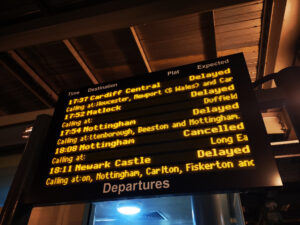
Members of the biggest rail workers’ union are to stage fresh strikes in a long-running dispute over pay, jobs and conditions.
The Rail, Maritime and Transport workers’ union (RMT) said 20,000 of its members from 14 train operators would walk out on 26 August and 2 September, both Saturdays.
The union said it had been left with “little choice” but to take further action as it had seen no improved or revised offer from the Rail Delivery Group, the industry body.
The RMT general secretary, Mick Lynch, said: “The mood among our members remains solid and determined in our national dispute over pay, job security and working conditions.
“We have had to call further strike action as we have received no improved or revised offer from the Rail Delivery Group.
“The reason for this is the government has not allowed them a fresh mandate on which discussions could be held.
“Our members and our union will continue fighting until we can reach a negotiated and just settlement.”
The 14 train operating companies affected by the new strikes are:
Avanti West Coast.
Chiltern Railways.
Cross Country Trains.
c2c.
East Midlands Railway.
Greater Anglia.
Great Western Railway.
GTR (including Gatwick Express).
LNER.
Northern Trains.
South Eastern.
South Western Railway.
TransPennine Express.
West Midlands Trains.
A Rail Delivery Group spokesperson said: “With further strike action, the RMT are once again targeting customers looking to enjoy various sporting events, festivals and the end of the summer holidays, disrupting their plans and forcing more cars on to the road.
“We have now made three offers, the latest of which would have given staff pay rises of up to 13% as well as job security guarantees, and the RMT executive have blocked this without a convincing explanation.
“We remain open to talks and we have said repeatedly that we want to give our people a pay rise, but until the union leadership and executive is united in what it wants and engages in good faith with the 30% shortfall in revenue the industry is continuing to grapple with post-Covid, it is difficult to move forward.”
Read more:
RMT announces Saturday rail strikes in August and September
Canary Wharf: Adapting to a Changing Landscape
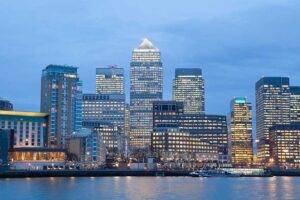
Canary Wharf, the iconic business district in east London, is undergoing a significant transformation as it adapts to the changing needs of its tenants and the local community.
With a rise in flexible working and the departure of some major banks, Canary Wharf Group (CWG) is diversifying its focus and exploring new sectors to inject new life into the area. This article explores the evolving landscape of Canary Wharf and the steps being taken to ensure its continued success.
The Shift in Occupancy
Over the years, Canary Wharf has been synonymous with the financial industry, housing numerous banks and financial institutions. However, the rise of flexible working and changing work patterns have led to a shift in occupancy within the district. According to property information provider CoStar, the office vacancy rates at Canary Wharf reached 14.8% in the second quarter of this year, the highest since 2005. This vacancy rate reflects the changing dynamics of the area, with some banks relocating to other parts of London, such as the City.
HSBC, one of the major financial institutions based in Canary Wharf, recently announced its move to the City, and Barclays is sub-letting a significant portion of its office space in the district. However, it’s not all doom and gloom for the financial sector in Canary Wharf. Citi bank, for instance, has expressed its commitment to remain in the district for at least the next 30 years. Despite these changes, Canary Wharf remains an attractive destination for businesses, with its state-of-the-art infrastructure and amenities.
A New Purpose: Diversification into Science, Retail, and Housing
Recognizing the need for adaptation, Canary Wharf Group is embracing a new purpose and diversifying its focus beyond the financial sector. With the growing demand for science, retail, and housing, CWG is seizing the opportunity to transform the district into a vibrant community that caters to a diverse range of needs.
Embracing the Sciences
Canary Wharf is set to become home to Britain’s first laboratory skyscraper, a groundbreaking project that aims to redefine the life sciences landscape of London. The development at North Quay, known as Canary Wharf 2.0, will address the long-standing shortage of laboratory space in the country while fostering innovation and collaboration within the life sciences industry. This ambitious project not only showcases the district’s commitment to diversification but also positions Canary Wharf as a hub for scientific research and development.
Creating a Mixed-Use Neighborhood
As part of its diversification strategy, CWG is investing in the development of a mixed-use neighborhood within Canary Wharf. Wood Wharf, located to the east of the main skyscrapers, is an ongoing residential estate project that aims to provide a vibrant community with a multitude of amenities. Upon completion, Wood Wharf will feature 3,600 flats, retail spaces, bars and restaurants, a school, a doctors’ surgery, and vast public spaces. This comprehensive development reflects the changing preferences of Londoners, who seek vibrant communities that offer easy access to leisure facilities, shops, and essential services.
Shobi Khan, the CEO of CWG, emphasizes the importance of adapting to the needs of a growing and diverse population. He states, “London is undergoing constant reinvention as the needs of its diverse, growing population change. Canary Wharf 2.0 was born out of the recognition that Londoners increasingly desire vibrant communities with accessible green spaces, leisure facilities, shops, restaurants, schools, and medical services.” With more than 3,500 residents already calling Canary Wharf home, the district is well on its way to becoming a thriving mixed-use neighborhood.
An Exciting Future Ahead
As Canary Wharf adapts to the changing landscape, it remains a beacon of business and innovation in London. While the departure of some banks may have led to increased office vacancy rates, the district is responding proactively by diversifying its focus. Through a commitment to science, retail, and housing, Canary Wharf Group is transforming the area into a vibrant community that meets the evolving needs of its residents and businesses.
The future of Canary Wharf looks promising, with innovative projects such as the laboratory skyscraper and the development of Wood Wharf. By embracing new sectors and catering to a diverse range of needs, Canary Wharf is cementing its position as a thriving and adaptable district within the ever-changing landscape of London.
Read more:
Canary Wharf: Adapting to a Changing Landscape
As Wilko falls into administration: We look at the High Street retaile …

Wilko, the well-known High Street homeware retailer, has recently collapsed into administration, unable to secure a rescue deal.
With 400 shops and 12,500 workers at stake, the future of the company hangs in the balance, I look at the reasons behind its downfall, and the potential implications for its employees and the retail industry as a whole.
The Current Situation
Despite entering administration, the stores will remain open for the time being, ensuring that there are no immediate job losses and employees will continue to be paid. PwC has been appointed as the administrator and will actively seek a potential buyer for the entire business or its parts. The collapse of Wilko, if no resolution is found, could mark one of the biggest casualties on the High Street this year.
The Factors Leading to Collapse
Wilko’s demise was not an overnight event; the company has been grappling with various challenges for some time. The depths of its problems became apparent when it announced its intention to appoint administrators, giving the company a 10-day window to secure a rescue deal. However, despite receiving a significant level of interest, Wilko was unable to strike a deal within the necessary timeframe, leading to its unfortunate collapse.
Missed Opportunities
The collapse of Wilko comes as a blow to many, with the GMB union arguing that it was entirely avoidable. According to the union, warnings were repeatedly given about the retailer’s potential to capitalize on the growing bargain retailer market, but the company failed to seize this opportunity. This missed potential is a clear indication that Wilko failed to adapt to the changing retail landscape and capitalize on emerging trends.
Financial Struggles
Wilko’s financial struggles were a significant contributing factor to its downfall. The company has been burdened with sharp losses and a severe cash shortage. In an attempt to alleviate the financial strain, Wilko borrowed £40 million from Hilco, a restructuring specialist. Despite these efforts, the company’s financial position remained precarious, ultimately leading to its administration.
Fierce Competition
Wilko faced intense competition from rivals such as B&M and The Range, exacerbating its financial woes. As the high cost of living pushed shoppers to seek out bargains, these competitors emerged as popular alternatives. Moreover, Wilko’s traditional town centre locations proved to be an expensive liability as customers increasingly shifted to larger retail parks and out-of-town locations.
Lack of Investment and Adaptation
One of the key factors contributing to Wilko’s downfall was a lack of investment in systems and infrastructure. The company failed to modernize and adapt its operations to meet the demands of a changing retail landscape. With a large estate of over 400 stores, Wilko needed significant investments to remain competitive, but these investments were not made. Consequently, the company found itself unable to keep up with emerging consumer behaviors and mounting challenges.
Economic Challenges
Wilko’s collapse also reflects the broader economic challenges faced by many High Street retailers in recent years. Reduced consumer spending, inflationary pressures, and increasing costs have had a significant impact on the retail sector as a whole. As a result, many retailers, including Wilko, have struggled to survive in this challenging environment.
Impact on Employees and Communities
The collapse of Wilko has significant implications for its employees and the communities it serves. With 12,500 workers at risk of losing their jobs, the immediate concern is the economic and psychological impact on individuals and families. Furthermore, the closure of Wilko’s stores could have a detrimental effect on the local communities, leading to reduced footfall, job losses in associated industries, and a decline in the overall vitality of the affected areas.
Pension Scheme and Deficit
Another concern arising from Wilko’s collapse is the potential impact on its pension scheme. Thousands of Wilko workers are members of the company’s pension scheme, which reportedly has a sizable deficit. The Pensions Regulator is currently in discussions with the employer and scheme to protect the interests of the scheme members during this challenging time.
Future Prospects
While the immediate future of Wilko remains uncertain, there is hope that a buyer may be found to rescue the company, either in its entirety or in parts. PwC, as the appointed administrator, will continue conversations with potential investors to explore all possibilities for the business. However, if no resolution is found, store closures and redundancies may become inevitable.
Wilko’s collapse into administration highlights the challenges faced by High Street retailers in an ever-evolving retail landscape. The company’s failure to adapt, coupled with financial struggles and fierce competition, ultimately led to its unfortunate demise. As Wilko’s future hangs in the balance, the impact on its employees and the retail industry as a whole remains to be seen. The collapse serves as a stark reminder of the need for retailers to stay agile, invest wisely, and anticipate changing consumer behaviors to secure their place in the evolving marketplace.
Read more:
As Wilko falls into administration: We look at the High Street retailer’s struggles
Car Insurance Costs Soaring: What’s Driving the Increase?

With inflation and rising vehicle repair costs, motorists in the UK are feeling the pinch when it comes to insuring their vehicles.
According to the Association of British Insurers (ABI), the average premium for car insurance in the three months leading up to June reached a record high of £511. This represents a 21% increase compared to the same period last year. Some drivers have even reported receiving quotes that are triple the amount they paid the previous year.
The Factors Behind Rising Premiums
The surge in car insurance costs can be attributed to several factors. One key driver is the sustained cost pressures faced by the insurance industry. In the first quarter of this year, insurers paid out a staggering £2.4 billion for motor insurance claims, a 14% increase from the previous year. This includes claims for theft, vehicle repairs, and personal injury.
Vehicle repair costs have also seen a significant spike, rising by 33% over the past year to reach £1.5 billion. This increase can be attributed to rising costs, including energy inflation and higher prices for replacement parts. In fact, one insurer reported a 40% increase in labour rates and a 21% increase in the cost of replacement parts between June 2022 and January this year.
These rising costs are putting pressure on insurance companies to pass on the expense to consumers, resulting in higher premiums for both new policies and renewals. On average, renewing customers experienced an increase of £36, bringing their average premium to £471. Meanwhile, new policyholders faced an average increase of £21, bringing their average premium to £566.
Real Stories: The Impact on Motorists
The soaring cost of car insurance has left many motorists shocked and frustrated. Diane Cedra, a 66-year-old driver from Solihull in the West Midlands, saw her insurance premium nearly triple when it came time to renew. She was initially quoted £620, compared to the £211.99 she paid the previous year. After negotiating and receiving a customer loyalty bonus, she managed to reduce her premium to £411. Cedra expressed her dissatisfaction, pointing out that she shouldn’t have to pay for the mistakes of other drivers who may not be as careful on the roads.
Another driver, Karl Kemp from Burnley, was perplexed when his insurance premium for his Range Rover Evoque jumped from £925.90 to £1,653.66 despite no changes in his circumstances. Kemp, who had gained an additional year of no claims, expected his premium to decrease. After shopping around, he found a more reasonable quote from First Choice, which was comparable to his premium from the previous year. Kemp emphasised that an extra £700 in insurance costs would have made it impossible for him to afford a car.
Consumer Concerns and Regulatory Oversight
Consumer group Which? has raised concerns about the record-high premiums and the impact on consumers who are already struggling with rising costs in various areas. They question whether insurers passing on increased costs is justified, particularly in the current economic climate. The introduction of the Financial Conduct Authority’s new Consumer Duty aims to ensure that insurers offer fair value in the products they sell.
A report published in June highlighted that 2022 was the worst-performing year for the UK motor insurance market in a decade. Motor insurers paid out £1.10 in claims and costs for every £1 they received in premiums. This indicates significant financial strain on the industry and underscores the need for insurers to address the rising costs.
Read more:
Car Insurance Costs Soaring: What’s Driving the Increase?
Halifax joins other lenders in cutting mortgage rates

Halifax is set to sharply cut rates on some of its fixed mortgage deals, potentially easing pressure on some homeowners.
The UK’s biggest mortgage lender will reduce rates by up to 0.71 percentage points from Friday, with a five-year fixed deal priced at 5.39% from 6.10%.
Other lenders such as HSBC, Nationwide and TSB have cut some rates.
Mortgage rates have risen as the Bank of England has pushed up interest rates in a bid to tame soaring prices.
Rates will be cut by Halifax across a range of products on offer, with smaller cuts on two-year fixed deals and some aimed at first-time buyers.
Other big mortgage lenders have been cutting rates this week, with some experts suggesting it could be a sign that high inflation – which measures the rate of price rises – could be starting to ease off.
While inflation has slowed, at 7.9% it remains nearly four times higher than the Bank of England’s 2% target.
The Bank of England lifted interest rates up for the 14th time in a row last week from 5% to 5.25%.
Higher interest rates mean people have to pay more for their mortgages, for example, which means they have less money to spend on other things.
Among the rate reductions, HSBC has cut some homebuyer, first-time buyer and re-mortgage rates on offer by up to 0.35 percentage points, as well as adding a £500 cashback incentive to some deals.
Nationwide is also reducing the rates on offer for those re-mortgaging by up to 0.35% across two, three and five-year fixed deals.
Aaron Strutt, from mortgage broker Trinity Financial, suggested: “More of the larger banks and building societies are lowering their rates, which is good news especially given the scale of rate increases we have seen in recent months.”
“It would not be a surprise if more of them improve their rates over the coming weeks,” he added.
“Lenders are starting to realise the market is slowing down, and they need to improve pricing to attract more borrowers.”
While rate cuts might be welcome, if people are re-mortgaging or are moving onto a variable rate mortgage, their monthly repayments are still likely to be much higher than their original rate.
Andrew Bailey, governor of the Bank of England, recently said that interest rates were not likely to fall until there is “solid evidence” that price rises are slowing.
It marked the first time the Bank acknowledged that interest rates would stay higher for longer.
Chancellor Jeremy Hunt recognised that rising interest rates would be “a worry for families with mortgages and for businesses with loans”, but reiterated the government’s aim to cut inflation.
New data released on Thursday from the Royal Institution of Chartered Surveyors suggested that the jump in mortgage rates was weighing on consumers.
Its survey suggested that British house prices had seen the most widespread falls since 2009 during July.
Read more:
Halifax joins other lenders in cutting mortgage rates

