

Multi-billionaire Elon Musk is putting Twitter building signs and other items from the company up for auction just weeks after the firm’s rebranding as X.
Among the 584 lots on offer are coffee tables, outsized bird cages, and oil paintings of images that went viral.
Also listed are tens of desks and chairs, a DJ booth, and enough musical instruments to equip a band.
Since buying the social media platform last year, Mr Musk has cut thousands of jobs in an effort to lower costs.
The auction has been called “Twitter Rebranding: Online Auction Featuring Memorabilia, Art, Office Assets & More!”
One of the Twitter signs on offer is still fixed to the company’s headquarters on 10th Street in San Francisco.
“Bird is still mounted on side of the building. Buyer is responsible for hiring an SF Licensed Company with appropriate Permits,” the listing reads.
Last month, an attempt to remove a different Twitter sign was temporarily halted by authorities in San Francisco.
Two oil paintings of photographs that went viral on Twitter will also be auctioned.
The first is of Ellen Degeneres’ star-studded selfie taken at the 2014 Academy Awards.
The other is of the image that then-US President Barack Obama tweeted when he was re-elected in November 2012. At the time it was the platform’s most-liked tweet.
The auction also includes musical equipment ranging from guitars to drum kits and amplifiers, as well as a DJ booth with a controller, mixers and speakers.
The minimum offer for each lot is $25 (£19.70), according to auction house Heritage Global Partners.
Bidding begins on 12 September and is scheduled to end two days later.
The auction comes after Mr Musk cuts costs at Twitter following his $44bn purchase of the firm.
Since buying Twitter, he has made major job cuts, including shedding workers who tracked abuse on the platform. The company has also changed how it verifies accounts.
Earlier this year, Twitter held an auction of hundreds of items from its San Francisco HQ.
A statue of its famous bird logo attracted the highest bid, selling for $100,000.
Last month, the firm dropped the blue bird logo from its branding and replaced it with a black and white X.
X did not immediately respond to a BBC request for comment on Thursday.
Read more:
Elon Musk set to auction Twitter signs and other memorabilia
Category: Uncategorized
Biden bans US investment in Chinese tech as he declares ‘national em …
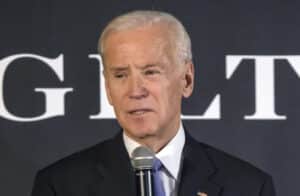
President Joe Biden on Wednesday signed an executive order that will prohibit some new U.S. investment in China in sensitive technologies like computer chips and require government notification in other tech sectors.
The long-awaited order authorizes the U.S. Treasury secretary to prohibit or restrict U.S. investments in Chinese entities in three sectors: semiconductors and microelectronics, quantum information technologies and certain artificial intelligence systems.
The administration said the restrictions would apply to “narrow subsets” of the three areas but did not give specifics. The proposal is open for public input.
The order is aimed at preventing American capital and expertise from helping China develop technologies that could support its military modernization and undermine U.S. national security. The measure targets private equity, venture capital, joint ventures and greenfield investments.
Biden, a Democrat, said in a letter to Congress he was declaring a national emergency to deal with the threat of advancement by countries like China “in sensitive technologies and products critical to the military, intelligence, surveillance or cyber-enabled capabilities.”
China said on Thursday it is “gravely concerned” about the order and that it reserves the right to take measures.
The order affects normal operation and decision-making of enterprises, and undermines the international economic and trade order, a statement from the Chinese Commerce Ministry read.
The minisry also said it hopes the U.S. will respect laws of the market economy and the principle of fair competition, and refrain from “artificially hindering global economic and trade exchanges and cooperation, or set up obstacles for the recovery of the world economy”.
The Chinese foreign ministry said the country was “strongly dissatisfied” with and “resolutely opposes the U.S.’s insistence on introducing investment restrictions on China”, having also lodged solemn representations with the U.S.
China urged the U.S. to fulfil Biden’s promise of no intention to decouple from China or obstruct China’s economic development, the ministry said in a statement.
Read more:
Biden bans US investment in Chinese tech as he declares ‘national emergency’
Rising Threat of ‘Hackers for Hire’: How End-to-End Encryption Sof …

According to a new report from the UK’s cyber security agency, the National Cyber Security Centre (NCSC), the number of ‘hackers for hire’ is set to grow over the next five years, leading to more cyber attacks and increasingly unpredictable threats.
A rise in spyware and other hacking tools is also anticipated, which will have a profound impact on the UK’s digital landscape.
Cyber threats are already a huge concern for UK businesses, with cyber-attacks on SMEs up 39 per cent last year from 2020, so it’s not surprising this news is adding even more anxiety. What’s more, the new assessment highlights that the threat will not only become greater but also less predictable as more hackers for hire are tasked with going after a broader range of targets, meaning any business, of any size and across any industry could be at risk.
Istvan Lam, CEO of Tresorit explains that with this in mind, businesses would do well to take proactive measures to protect their sensitive information and communications. End-to-end encryption software is vital in this regard, providing businesses with a secure and reliable way to protect their data and prevent cyber-attacks.
How can this software protect businesses against the threat of cyber-attacks? How is it designed to keep data safe at all times and why exactly should businesses take this extra step to ensure financial data, personal information and intellectual property are kept safe? Is it really essential, does it provide optimum protection and what other measures can businesses take to minimise cyber threats?
How exactly does end-to-end encryption work?
Although many businesses believe all encryption types offer end-to-end protection for data at all times, end-to-end encryption isn’t in fact the standard for all encryption types; often data will only be encrypted while it is being stored, or while it is in transit. End-to-end encryption means that every file and relevant file metadata on the device in question is encrypted using a unique randomly generated encryption key, and files can only be accessed with a user’s unique decryption key so that data is stored as safely as possible. End-to-end encryption also provides an added layer of security for businesses that use cloud-based storage and collaboration tools. Tresorit’s content collaboration platform, for example, offers businesses ultimate protection, as files stored in the cloud are encrypted before they are uploaded, making it extremely difficult for hackers to access them.
In other words, end-to-end software is designed to protect communication channels by encrypting messages at the sender’s device and decrypting them at the receiver’s device, making it almost impossible for hackers to intercept and decipher the messages. And with the ever-growing threat of cyber-attacks and hackers for hire, this ‘gold standard’ of encryption, which ensures utmost security and privacy for data at all times, is crucial.
How risky is it to go without?
Cyber-attacks are designed to cause maximum disruption, exploiting vulnerabilities within a business IT framework. Such attacks can result in the theft of commercially sensitive information or intellectual property, software or data destruction or deletion, thefts of funds, liability to third parties such as customers and supply chain partners and reputational damage.
Cyber security attacks such as data breach can be devastating and ultimately wipe out a company. End-to-end encryption can help prevent such breaches by making it virtually impossible for hackers to access sensitive information and with 43 per cent of UK businesses identifying a cyber security breach in the last year, organisations would do well to put this extra layer of protection in place.
What else can be done?
There are a number of other cybersecurity measures businesses can take other than end-to-end encryption, to minimise the risk of cyber threats. Organisations should ensure they implement regular security audits, run up-to-date antivirus software, use strong passwords, and put in place intrusion detection and prevention systems. Cyber security awareness training for employees is also vital for helping to reduce risks. Businesses should ensure employees are trained on a wide range of security topics such as how to respond to threat situations, Phishing and secure data handling.
The role of business leaders
Senior leaders of organisations have a huge responsibility when it comes to ensuring their business is cyber aware and ultimately cyber secure. They should be having essential discussions about cyber security with their organisation’s technical experts and key stakeholders and should ensure that their company’s cyber security policy is communicated throughout the business with all staff given the necessary training. The NCSC has recently launched new resources as part of its Cyber Security Board Toolkit, to encourage senior leaders to treat cyber risks with the same importance as legal or financial risks and to make sure the potentially devastating consequences of an attack are filtered through the organisation. It also includes a range of activities for organisations to participate in as well as key success indicators and materials to help organisations engage their staff on the topic.
Final thoughts
With a growing number of hackers for hire marketplace and an ever-increasing risk of cyber threats, businesses should take heed and ensure they’ve put the highest standard of security and protection in place for their company’s data and information. Cyber-attacks can have deadly consequences and can mean the end of the road for many businesses, so not only should companies embrace end-to-end encryption but they should take time to assess the range of cyber security protection measures they have in place, so that no stone is left unturned. Business leaders have a huge role to play when it comes to ensuring their organisation can protect itself from, respond to and recover from a cyber-attack, data breach or service outage.
Read more:
Rising Threat of ‘Hackers for Hire’: How End-to-End Encryption Software Safeguards Businesses
SMEs need to place user experience at the heart of their digital strat …

As online sales continue to rise, businesses must sharpen customer online experience to ensure retention
When taking their small business digital, retailers need to invest in a tech stack that’ll be able to support the business’s needs in order to run smoothly. However, factors such as cost or the size of their company mean they’re often unable to access the resources they need to develop alongside their competitors.
This can set SMEs back and ultimately means they lose out on the valuable insights that would allow them to develop the way they service customers online. So, what should retailers be taking note of in the next 12 months when it comes to growing their business? And more importantly, what will they miss out on if they don’t develop the way they do business? Business Matters spends some time with Jonathan Newman, CEO at Motive, to delve into the issue further and find out how online SMEs can turn the situation around …
It’s all about the customer experience
While the integration of tech with traditional practices has created a whole new experience for customers, there are elements of in-person experiences that could be better replicated online. Take the merging of eCommerce within the retail industry. When shopping in person, you are usually met by a helpful shop assistant, who helps you navigate a well-presented store with well-organised products on display, and clear direction on how to find what you’re looking for.
However, the online retail experience can sometimes feel like a downgrade, despite it sometimes being the only option available to customers. Customers often click through page after page trying to sift through the vast options available, before giving up feeling overwhelmed and frustrated that they were unable to have a pleasant shopping experience. One solution SMEs often overlook is the power of Search. 69% of shoppers use the search bar while they shop, meaning SMEs can risk missing out on catering to the majority of their customers if they don’t have an enhanced onsite Search experience.
This is the functionality that allows a customer to use keywords to find products within the eCommerce shop’s product catalogue. If you think about well known brands such as ZARA, or a supermarket such as Tesco, what do they all have in common? Impeccable search results. The success that these brands see is no coincidence. A significant majority (68%) of customers would refrain from revisiting a website that offers an unsatisfactory search experience. Onsite search is an extension of in-person browsing, and should be a critical priority for SMEs who want to see an improved customer experience. Thanks to filters for price, size, colour, and many more categories, customers can see tailored recommendations to products they’re looking for, including products they hadn’t considered previously.
According to a Forrester report, 43% of customers go directly to the onsite search function upon entering a website. By implementing a specialised eCommerce onsite search engine, you are able to provide customers with relevant search results instantly. This will not only give you a competitive edge, but separate your site from those that complicate the shopping process with the hassle of needless trial-and-error. For example, Mundoalfombra, one of Spain’s largest online rug brands, recently increased its mobile search rate by 400% and reduced shopper bounce rate in its mobile search by 500%. It did this by acknowledging that many of its customers started their search on mobile, and investing in an eCommerce Search platform that was intuitive and mobile-intuitive, meaning customers had a much smoother experience.
Search and discovery are like trusted companions that uncover hidden treasures and reveal valuable insights. They help businesses understand shopper demand, identify trends, and make informed decisions. They compliment each other well, with Search supporting the finding of specific things that the customer knows they are looking for, and the Discovery element using the menu and navigation elements to see what else is available to them.
Investing in enhancing onsite search can create significant benefits to a company’s bottom line. These tools can help SMEs tailor the shopping experience to customers accordingly, creating an increase in sales and a continued build of customer trust and loyalty.
What’s happening in the sector right now?
With the digital age came a seismic shift in the way consumers shop and interact with businesses, and the rise of eCommerce, social media, and mobile technology has only amplified this. Unfortunately, many small retailers venturing into the eCommerce space for the first time may lack the resources and expertise to keep up, resulting in missed opportunities and decreased customer engagement. Crucially, the COVID-19 pandemic has created one of the biggest disruptions to the retail industry ever seen, forcing SMEs to pivot their business models and adapt to new ways of operating.
The rise of eCommerce will only continue, and onsite search is a critical tool for businesses seeking to enhance their website’s performance, cultivate tailored user experience, and effectively engage with customers. By harnessing the capabilities of search, retailers can significantly improve the discoverability of their products, align consumer needs and intent with the most suitable offerings, boost conversion rates, drive sales growth, and increase customer satisfaction.
The long grass: achieving sustainable growth
Effective use of search and discovery can improve the customer experience and build trust without compromising privacy. According to the Next in Personalization Report by McKinsey, 78% of consumers are more likely to make repeat purchases from companies that can provide personalisation. But what is personalisation? Increasingly, the consumer expectation is that shopping experiences are personalised based on an understanding of the intent and context of the current shopping session much like they expect in a physical store.
SMEs can also achieve these results by harnessing a hybrid semantic search and keyword search approach. By employing this strategy, businesses can create search results that are finely tuned to adapt and optimise based on the intent expressed by shoppers during their browsing sessions. This approach emphasises understanding the context and meaning behind search queries, rather than relying on personal data collected from various sources. In doing so, SMEs can deliver tailored and highly relevant results, ensuring a personalised shopping experience without compromising user privacy. Shopping experiences based on this approach allow SMEs to match their expert product knowledge with the real and current intent of the shopper.
It’s time…
It all comes down to understanding the value of search and knowing the best way to utilise insights in order to achieve the long-term business goal of growth, and ultimately, success. This is done by elevating the customer’s experience online and nurturing returning customers by consistently offering a relevant and helpful experience.
With technology, retailers are able to stay one step ahead of their competitors. Those willing to embrace the power of search will be the ones reaping the rewards with consistent business growth, whilst others inevitably follow in their footsteps, albeit five paces behind the ones who decide now is the time to take it to the next level.
Read more:
SMEs need to place user experience at the heart of their digital strategy
New research indicates bank jargon could be fuelling financial vulnera …

More than half of banking customers say banks are unsupportive prompting need for change
Do you feel misunderstood by your bank? You’re not alone. Research with 2000 UK adults, released today shows that banking customers are feeling alone and confused about their finances at a time of economic uncertainty for many. The research commissioned by experience services business – Foolproof, a Zensar company, demonstrates the need for the FCA’s Consumer Duty principle which will be implemented next week.
Off the back of this research, Foolproof financial services experts encourage banks and financial providers to consider the term ‘vulnerable customer’ carefully and urges them to ensure they are offering services that are clearly worded, informative and supportive. The firm believes that the combination of lack of financial comprehension and the continued squeeze on household incomes may see many previously solvent Brits in danger of falling into the ‘vulnerable’ category.
The Consumer Duty rules indicate that firms should equip customers with “the right information to make effective, timely, and properly informed decisions.” This is one of a few outcomes where banks are perceived to be falling short according to Foolproof’s research which showed:
Perceived lack of support from banks:
58% of customers are unsure if, or do not feel, that their bank is supportive. This could be related to issues with customer service, lack of personalised assistance or inadequate communication. Banks must work to improve their customer support and engagement to build stronger relationships with their customers.
Difficulty understanding Terms and Conditions:
1 in 4 customers find it hard to understand the terms and conditions of their banking products. This highlights the need for banks and other financial providers to simplify their T&Cs and use more accessible language to improve transparency and customer comprehension, particularly in relation to big ticket items like loans, mortgages and other credit products.
Lack of clarity in financial language:
20% of customers do not understand the language used to describe financial products. Banks should make an effort to communicate in plain language, avoid jargon, and provide educational resources to help customers better understand financial terminology and what might best serve their needs.
Limited support for vulnerable people:
18% of customers think banks do not do a job of serving vulnerable, elderly or disabled customers. This indicates an awareness of an underserved group and that more could be done through accessible technologies and designing for all rather than the average experience.
Need for improved financial literacy:
Almost half (44%) of customers believe that banks could do more to help them understand their money better. This underscores the importance of financial education initiatives by banks to empower customers with the knowledge and tools to make informed financial decisions and to grow their wealth.
Low customer trust in banks to provide help needed:
26% of customers believe banks do not care about helping customers come out of debt and believe that it is in their interest not to. This could indicate a brand perception problem and one that needs addressing through clear communication and increased support of vulnerable or indebted customers.
Anup Rege, Chief Business Officer, Foolproof, a Zensar company said: “Consumer Duty talks much about protecting vulnerable customers. However the term vulnerable, with regards to finance, has the danger of being misconstrued as being a smaller group of people than could actually be the case. Anyone seriously worried about their finances should be considered in this category and financial services businesses will need to think about what services can be created to support them. The spirit of Consumer Duty is in embodying that lives change and that some financial products stay with people across significant changes in their life, and this broader definition is incredibly important in the present moment.
Addressing these concerns and aligning with customer needs will be a priority for banks as Consumer Duty regulations come into effect combined with a financial environment that many aren’t used to living in. By improving transparency, simplifying language, enhancing customer support, and investing in financial literacy programs, banks can build stronger relationships with their customers and provide better, more personalised services that will pay back these short-term investments in the long term many times over.
That said, whilst Consumer Duty is welcomed in terms of providing more transparency, it will only really help existing customers. To address the needs of the unbanked population, additional targeted initiatives and policies are required. These may include efforts to improve financial literacy and digital access, expanding access to basic banking services through community banks or credit unions, and fostering the development of more inclusive financial products designed for those with limited resources and financial experience.”
Read more:
New research indicates bank jargon could be fuelling financial vulnerability
Small Businesses Face Cashflow Disruption as Amazon Extends Sale Proce …

Thousands of small businesses in the UK and Europe are concerned about their financial stability as Amazon announces a change in its policy regarding the release of sale proceeds.
The decision to hold onto the funds for more than a week has left many sellers worried about the impact it will have on their cashflow. This move has sparked fears that some businesses may even be forced to go bust.
The Policy Change
Amazon, the global e-commerce giant, recently notified marketplace sellers in the UK and continental Europe about a change in their payment process. Previously, sellers had to wait up to three days for the funds from a sale to be released into their accounts. However, the new policy states that sellers will now have to wait a week after an item has been delivered before they can access the sale proceeds.
In a letter seen by The Guardian, Amazon acknowledged that this change might cause a “one-time cashflow disruption” for sellers. While Amazon claims that over 85% of sellers in Europe will not be affected by this change, small businesses are concerned about the potential impact on their operations.
The Impact on Small Businesses
Small businesses heavily rely on the prompt release of funds from their sales to manage their day-to-day operations. With the new policy, sellers will have to wait a minimum of 10 days after delivery before they can access the cash. This delay in receiving funds could have a crippling effect on smaller enterprises, potentially leading to financial difficulties and even bankruptcy.
According to The Guardian, some sellers have reported having thousands of pounds held back. One seller revealed that they had over £100,000 “locked in Amazon.” Another seller expressed concern that they would be owed approximately £35,000 after seven days, which would impact their ability to pay staff and loan repayments on time.
The situation is not isolated to the UK alone. Amazon has approximately 225,000 small- and medium-sized businesses selling through its marketplace across Europe. Roughly 15% of these sellers, equating to about 33,750 businesses, could be affected by the extended wait time for sale proceeds.
Comparison to Etsy’s Policy
This is not the first time an online marketplace has faced backlash over holding back funds. Etsy, the popular online craft marketplace, also implemented a policy in late May that involved withholding up to 75% of some sellers’ takings for at least 45 days. UK vendors boycotted Etsy, demanding a reduction in the amount held back. After facing criticism, Etsy announced that the most common level of reserve would likely be reduced to 30%.
While some sellers on Etsy were released from the reserve system after media attention, others still experienced the negative effects of the policy or had their online shops suspended. This example highlights the impact that changes in payment policies can have on small businesses and the importance of maintaining a reliable cashflow.
Concerns Raised by Small Business Owners
Small business owners who sell through Amazon have expressed their frustration and concern over the sudden policy change. Many feel that they were given inadequate notice to prepare for the financial impact it would have on their operations.
Libby Pearson, a long-time seller on Amazon’s marketplace, has been vocal about the challenges this policy change presents. She stated that small business owners are being forced into “devastating situations financially” and are unable to meet their financial obligations, such as paying wages, bills, suppliers, and even HMRC.
The Small Business Commissioner in the UK, Liz Barclay, has also received numerous complaints from Amazon sellers. One seller shared that they are currently owed £10,000 and expect that amount to increase to £25,000 before receiving any cashflow. This lack of access to funds puts their business at risk as they have no other income apart from selling on Amazon.
Potential Reasons for the Policy Change
According to Dan Romanoff, an equity analyst at investment management group Morningstar, Amazon’s decision to change the payment policy may be driven by the desire to simplify administrative processes, protect against fraud, and allow for returns. The extended delay in releasing funds could help ensure that sellers have sufficient funds to cover any financial obligations that may arise.
Romanoff also highlighted that Amazon may accrue interest on the held funds, although he does not anticipate a substantial change in Amazon’s income from interest as a result of this policy change. However, small businesses argue that the interest earned by Amazon does not compensate for the negative impact on their operations and cashflow.
Calls for Government Intervention
The issue has caught the attention of the UK government, with the Small Business Commissioner expressing concern about the widespread impact on domestic sellers. Liz Barclay has been in contact with Amazon sellers and is actively working to address the issue. The commissioner acknowledges the importance of cashflow for small businesses and the potential harm caused by disruptions in the payment process.
In response to the concerns raised, the affected sellers have started writing to their Members of Parliament (MPs) to protest against the policy change. They believe that a three-month notice period should have been given for such a significant alteration, allowing businesses to make necessary adjustments and find alternative solutions.
Amazon’s Response
Amazon has defended its decision, stating that the policy change was introduced in August 2016, and over 85% of sellers in Europe will not be affected by it. The company claims that the change is aimed at standardizing reserve policies for European sellers, ensuring they have sufficient funds to cover financial obligations like product returns or customer claims.
Amazon also emphasized that affected sellers were notified three months in advance to help them prepare for the change. However, sellers argue that the notice period was insufficient, particularly considering the potential impact on their businesses and financial stability.
Conclusion
The extended wait time for the release of sale proceeds by Amazon has sparked concerns among small businesses in the UK and Europe. Sellers fear that the delay in accessing funds may lead to cashflow disruptions, hampering their ability to meet financial obligations and potentially forcing them to go out of business. This policy change follows similar controversies faced by other online marketplaces, highlighting the importance of reliable cashflow for small businesses. As sellers voice their concerns and call for government intervention, the impact of this decision on the small business community remains to be seen.
Read more:
Small Businesses Face Cashflow Disruption as Amazon Extends Sale Proceeds Wait Time
Hybrid working boom drives Regus-owner IWG to record revenue

Booming demand for hybrid working saw workspace provider IWG, which owns Regus, net a record £1.7bn in system-wide revenue in the first half, up 16 per cent year-on-year.
Adjusted EBIDTA also jumped nearly 48 per cent year-on-year to £198m, as the flexi-working specialist benefited from a global trend towards hybrid business models.
The firm has been accelerating its “capital light growth strategy,” which sees it partner with commercial property owners to rent out buildings and said the surge in demand had resulted in it signing almost as many agreements in the six months to June as in the entirety of 2022.
Mark Dixon, Chief Executive of IWG, said “we continue to grow as expected, producing a record period for IWG with our highest ever revenue in our over 30-year history… We have done this through a combination of higher demand for flexible work products [and] improved pricing and cost discipline.”
IWG has penned 400 new deals since January, which includes a recent investment in 33 new private offices in the Portomaso business tower in Malta, taking its global network to 3,398.
Dixon added in a statement to markets this morning: “We continue to be well placed to deliver further revenue, profitable growth and reducing leverage as more companies permanently embrace hybrid working as their preferred model with IWG set to be the biggest beneficiary.”
Despite netting record revenues and strong demand, IWG maintained a “cautiously optimistic” outlook for the year ahead, citing FX headwinds such as volatility in Sterling and a “challenging economic and competitive environment” as a result of inflation.
That being said IWG’s chief maintained that the first six months had been a “continuation of the ‘Big Bang’ we started seeing in 2022, when the continuing impact of the Covid-19 pandemic finally led to the lift-off of the hybrid model that some of us have been anticipating for many years.”
Separately, home working trends have slowed slightly this year, with online meeting platform Zoom yesterday announcing it had mandated workers to come back into the office on the back of falling net profits.
Read more:
Hybrid working boom drives Regus-owner IWG to record revenue
Electoral Commission admit to suffering major cyber breach

The Electoral Commission has revealed that they were struck by a “complex cyber-attack” which saw cyber criminals access electoral registers.
The initial breach occurred in August 2021 as “hostile actors” gained access to copies of electoral registers, but the attack was not identified until October 2022, over a year later.
The Electoral Commission admitted that the breach resulted in personal data, such as home addresses and personal images were compromised, as well as email addresses, names and telephone numbers.
Shaun McNally, Chief Executive of the Electoral Commission, warned that the attack did not influence electoral outcomes, saying: “The UK’s democratic process is significantly dispersed and key aspects of it remain based on paper documentation and counting.”
“This means it would be very hard to use a cyber-attack to influence the process. Nevertheless, the successful attack on the Electoral Commission highlights that organisations involved in elections remain a target, and need to remain vigilant to the risks to processes around our elections.”
Suid Adeyanju, CEO of RiverSafe commented: “Cyber criminals will relentlessly and ruthlessly target any organisation that manages large volumes of personal data, and the Electoral Commission is unfortunately a priority target for these kinds of attacks. While the specific details of the breach have yet to be revealed, this example should serve as a wake-up call to the many senior executives sleepwalking into a cyber catastrophe and underestimating this growing threat.
“Ensuring software patches are up-to-date and implementing cybersecurity awareness training for staff are vital measures to ensure that organisations stay protected. Especially with the use of AI fuelling more sophisticated cyber assaults, it’s absolutely critical that substantial safeguards and preventative measures are put in place before, rather than after an attack takes place.”
The Information Commissioner’s Office has said it’s urgently investigating the brief, while the Electoral Commission stated that it’s taken additional steps to secure its IT systems to protect against future attacks.
Read more:
Electoral Commission admit to suffering major cyber breach
Last orders called on takeaway pints as Home Office ends pub pandemic …

Bad news for pub goers who enjoy a cold pint on the go as the government has decided to put an end to the Covid-19 scheme which allowed pubs to sell takeaway pints.
Pubs were allowed to sell alcoholic drinks in plastic cups to customers on the street in 2020, when businesses could not trade normally during the pandemic.
However, the Home Office has now said it will wind up the scheme on 30 September.
Businesses will have to apply for permission from their local council in order to provide the service going forward.
This comes after new figures this morning showing how much pubs have been struggling amid soaring inflation and interest rate rises.
Pubs closing at fastest pace in a decade as high interest rates and energy bills crush Britain’s boozers
In excess of 6oo of pubs across the country disappeared over the year to the end of March, a 68 per cent increase from the 369 failures in the same period last year, according to chartered accountants Price Bailey.
While pub trade has largely returned to normal post pandemic, hospitality figures have said they are “disappointed” that the measures will come to a close.
“There’s no doubt that this is disappointing news for hospitality businesses. The temporary measures introduced during the pandemic were practical and enabled businesses to generate additional sales,” Kate Nicholls, head of UKHospitailty, said.
“This decision will raise questions among hospitality businesses about how serious the government is about reducing red-tape for businesses, particularly when this would have been a low-cost, high-reward change.”
She added: “I would continue to urge the government to consider measures like these as prime targets for change, as part of its focus on deregulation.
Emma McClarkin, chief executive of the British Beer and Pub Association also said that the temporary change in legislation allowed pubs to offer takeaway options and host a “greater range of events for their communities in recent years”.
“The decision not to extend will mean businesses across the country will now have to go through potentially lengthy application and approval processes.”
“We need the government to support our pubs and allow them to diversify and innovate, not hold them back with more red tape and unnecessary regulation.”
It comes amid a challenging time for Britain’s pub trade with many businesses battling increases in energy bills and supply costs.
The sector has also just welcomed new Alcohol Duty rises which came into effect on 1 August.
Hunt announced the measures as part of the budget back in March, which saw an end to the blanket alcohol duty freeze which was put in place via the Autumn Budget 2020 during the pandemic and extended in December.
However under the new measures alcohol will be taxed by strength and the duty paid on pints in pubs will be up to 11p cheaper than at the shop.
Read more:
Last orders called on takeaway pints as Home Office ends pub pandemic scheme

